DR Congo's Ebola Outbreak Passes 5,000 Cases, Becomes the Deadliest in the Country's History
New World Health Organization data show confirmed Ebola cases in the Democratic Republic of Congo have passed 5,000, making the current outbreak the deadliest the country has ever recorded
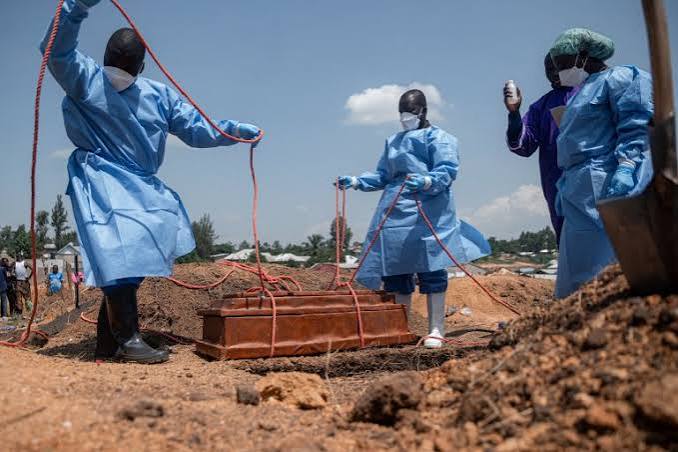
Confirmed Ebola cases in the Democratic Republic of Congo, a country in central Africa, have passed 5,000. The milestone makes this the deadliest Ebola outbreak the country has ever recorded, overtaking a previous epidemic that ran from 2018 to 2020.
The World Health Organization confirmed the figures on 18 August 2026, following an emergency committee meeting held in Geneva.
According to the agency, 5,021 confirmed cases have now been reported across six provinces and 55 health zones since the outbreak began in May.
A Toll That Has Already Surpassed the Country's Worst Outbreak
More than 2,320 people have died so far, according to World Health Organization figures.That number has already overtaken the death toll from the 2018 to 2020 outbreak, which killed 2,299 people and had been, until now, the deadliest in the country's history.
Public health data from earlier this month put the case fatality rate, meaning the share of confirmed patients who die, at close to 47 percent as of 12 August.
That figure comes from the World Health Organization's most recent detailed outbreak report and may shift slightly as more cases are confirmed and tracked to an outcome.
A Less Familiar Strain With Fewer Ready Tools
This outbreak is caused by the Bundibugyo species of the Ebola virus.It is a rarer strain than the one behind most past Ebola outbreaks, including the 2018 to 2020 epidemic and the well known 2014 to 2016 West Africa outbreak, both of which were caused by the Zaire species.
That distinction matters for the response.
The Ebola vaccines and treatments that exist today were developed and licensed against the Zaire strain. They have not been certified as effective against the Bundibugyo strain, leaving health workers with fewer proven tools to slow this outbreak compared with earlier ones.
Create a free account
Join Joseph Mmwa Media Group and be the first to know the world's biggest health and medical stories as they happen
The World Health Organization's vaccine advisory group has recommended testing the existing Ervebo vaccine against this strain through a ring trial in Congo, but that work is still underway rather than complete.
From One Province to Six
The outbreak was first confirmed in May 2026 in Ituri Province, in the northeastern part of the country.It has since spread to five more provinces: North Kivu, South Kivu, Haut-Uélé, Tshopo, and Bas-Uélé, all located in the eastern and northern regions of the Democratic Republic of Congo.
The most recently affected area, Bas-Uélé, recorded its first confirmed case in early August, in a patient with a travel history to a neighboring province already fighting the outbreak.
The World Health Organization has described the spread as increasingly driven by transmission within interconnected clusters of communities rather than isolated, contained events, which has made the outbreak harder to track and stop.
WHO Says the Response Is Still Playing Catch-Up
Speaking after this week's emergency committee meeting, Dr Tedros Adhanom Ghebreyesus, Director-General of the World Health Organization, said the outbreak remains a public health emergency of international concern.He told the meeting that the epidemic is far from being under control, adding that it had a big head start and that responders are still playing catch-up.
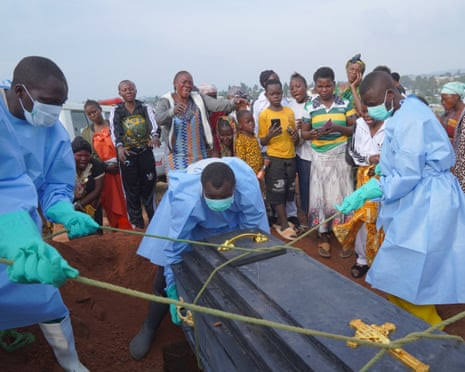
The World Health Organization's emergency committee reviews the outbreak's status periodically and can recommend that member states scale up funding, staffing, and cross-border coordination in response.
A Regional and International Picture
The Democratic Republic of Congo's outbreak is unfolding alongside a smaller, related outbreak in neighboring Uganda, which has already ended.Uganda's Ministry of Health reported 20 confirmed cases and two deaths before declaring the outbreak over on 28 July 2026, twelve days after its last patient was discharged from an isolation centre in Kampala.
The virus has also reached beyond the region. A United States citizen working for a humanitarian organization in the Democratic Republic of Congo tested positive and was evacuated to Germany for treatment in July, following an earlier imported case reported by France in June.
European health authorities have assessed the risk to people living in the European Union as very low, though they continue to monitor the situation given gaps in surveillance within the outbreak zone.

Joseph Mmwa is a health and medical journalist covering breaking health news, medical research, vaccines, infectious diseases, and public health developments around the world.