Ebola Is Winning': UN Says Congo Outbreak Now Killing One Person Every 30 Minutes
New United Nations figures show the Ebola outbreak in eastern Democratic Republic of the Congo is now killing one person every 30 minutes, a pace the UN's humanitarian chief says is outrunning the global response and pushing the outbreak toward becoming the deadliest ever recorded in the country
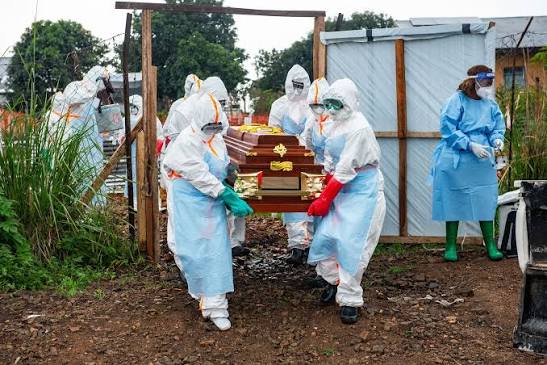
The Ebola outbreak tearing through eastern Democratic Republic of the Congo has reached a grim new milestone: someone is now dying from the virus every 30 minutes.
That warning came from Tom Fletcher, the UN Under-Secretary-General for Humanitarian Affairs and Emergency Relief Coordinator, who heads the UN's Office for the Coordination of Humanitarian Affairs (OCHA).
"Ebola is winning in the Democratic Republic of the Congo," Fletcher said on August 14. "We cannot let the virus outrun our response."
A death toll that keeps climbing
The outbreak has now killed 2,184 people since it was declared on May 15, out of roughly 4,660 confirmed cases. That works out to a fatality rate near 47 percent, meaning almost one in two people who catch this version of Ebola do not survive it.
It has spread well beyond where it started. What began in a single health zone in Ituri Province, in DRC's northeast, has now reached six of the country's 26 provinces, including North Kivu and South Kivu further south.
Ituri still accounts for the large majority of cases. The World Health Organization has confirmed this is now the largest Ebola outbreak ever recorded in DRC, and aid group Doctors Without Borders has called it the fastest-growing Ebola outbreak on record, reaching this scale in just 10 weeks.
A strain with no vaccine yet
Part of what makes this outbreak so hard to stop is the virus itself. It is caused by Bundibugyo virus, a rarer relative of the Ebola species behind most past outbreaks.Unlike that more familiar strain, there is currently no licensed vaccine or approved treatment built specifically for Bundibugyo virus.
In July, WHO's vaccine advisory group recommended testing the existing Ebola vaccine, Ervebo, in a ring-vaccination trial in DRC, on the chance it offers some protection against this strain too. That trial is a response still being built, not a tool already in place.
Why the response is falling behind
Much of the dying is happening away from help.
Create a free account
Join Joseph Mmwa Media Group and be the first to know the world's biggest health and medical stories as they happen
The UN estimates that 60 to 70 percent of deaths in this outbreak are occurring in communities, not in treatment centers, meaning many people are not reaching care in time.
Children have been hit especially hard: UNICEF reported earlier this month that more than 330 children have died in the outbreak, with the death rate among children under five running above 60 percent, roughly double the rate among adults.
Part of the difficulty is geography and conflict.
North Kivu and South Kivu, two of the newly affected provinces, are also the site of ongoing fighting between the Congolese military and the Rwanda-backed M23 armed group.
That conflict is making it harder for health workers to reach communities and track the outbreak's spread, on top of the already limited health infrastructure in the region.
The money moving in
Fletcher announced on August 14 that he has released an additional $30.5 million from the UN's Central Emergency Response Fund for the response, on top of $24 million already committed.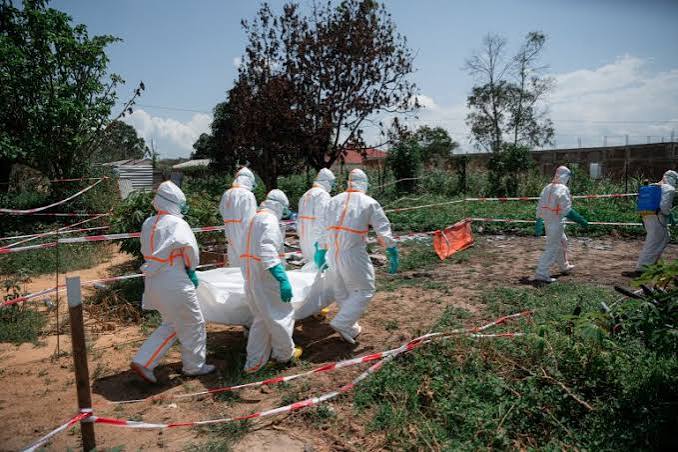
OCHA has also sent 20 more staff to the outbreak's epicenter, and the UN's World Food Programme is extending its hot meal program to more Ebola treatment centers in Ituri and other affected provinces.
Why this matters beyond Congo
Ebola outbreaks rarely stay contained to one country. Uganda logged 20 cases linked to this outbreak before declaring its own chapter over in late July.
Two cases have also turned up outside Africa: a US citizen working in DRC was medically evacuated to Germany for treatment, and France's health ministry reported a separate imported case.
Neither has led to further spread, but both are reminders that an outbreak growing this fast in one country can still reach others within weeks.
For now, the outbreak's trajectory depends on whether treatment, funding and access to affected communities can catch up to the rate at which people are dying. As of mid-August, they have not.
Joseph Mmwa is a health and medical journalist covering breaking health news, medical research, vaccines, infectious diseases, and public health developments around the world.