Five African Countries Officially End Polio Outbreaks After Years of Vaccination Drives
Surveillance and outbreak-response efforts, health authorities have confirmed that transmission has been interrupted, while warning that continued vigilance is needed to prevent the virus from returning.

Five African countries have reached a milestone after years of sustained outbreak-response work: independent Outbreak Response Assessment (OBRA) teams have confirmed that poliovirus type 2 transmission has been interrupted in Burundi, Ghana, Guinea-Bissau, the Republic of Congo, and Uganda.
The teams reviewed disease surveillance, laboratory and epidemiological data, along with outbreak-response quality, population immunity and vaccination campaigns in each country between January and June 2026.
Based on those findings, the World Health Organization's (WHO) Regional Office for Africa confirmed the closure of the poliovirus type 2 outbreaks in all five countries.
What it takes to close an outbreak
Closing a polio outbreak follows a defined technical process based on evidence, not a political decision.
Under current guidance from the Global Polio Eradication Initiative, a final assessment to consider closure is generally conducted after at least 12 months without a new poliovirus detection, whether from a person with paralysis, another individual sampled through surveillance, or an environmental sample such as wastewater testing.
The assessment considers whether surveillance was sensitive enough to detect ongoing transmission and whether vaccination and other eradication activities were of sufficient quality in infected and high-risk areas.
An independent OBRA team reviews the evidence and gives its recommendations, after which WHO's Regional Office for Africa carries out its own technical review and decides whether the outbreak can be closed.
Dr Mohamed Janabi, WHO Regional Director for Africa, said the closures show what strong national leadership and coordinated health work can achieve.
"These outbreak closures demonstrate what can be achieved through strong national leadership, dedicated health workers and close collaboration between governments, communities and partners," he said, adding that continued surveillance and vaccination coverage remain essential to prevent new outbreaks.
Five countries, five different timelines
Each outbreak followed its own path before being brought under control.
In the Republic of Congo, health authorities strengthened surveillance systems and ran several vaccination campaigns after virus detections, with the last poliovirus detection reported in December 2023.
Burundi declared its outbreak on 17 March 2023, after confirming circulating poliovirus type 2 in a young child and two contacts, plus five wastewater samples, and combined stronger routine vaccination with expanded environmental surveillance to interrupt transmission.
Create a free account
Join Joseph Mmwa Media Group and be the first to know the world's biggest health and medical stories as they happen
Uganda detected poliovirus in May 2024 and responded by intensifying both surveillance and outbreak-response coordination between national and local health authorities.
Ghana and Uganda both upgraded their laboratory capacity earlier in 2026, strengthening their ability to detect and respond rapidly to poliovirus and other vaccine-preventable diseases.
In Ghana, those laboratory investments complemented high-quality surveillance and rapid outbreak-response work. Guinea-Bissau has the longest gap of the five since its last detection: no poliovirus has been found there since July 2021, the result of sustained campaigns to reach underserved communities.
The risk does not disappear with the closure
Health officials were careful to note that closing an outbreak does not mean the danger is gone for good.
WHO pointed to Madagascar, where poliovirus was detected again following a previous outbreak closure, as evidence that the risk of reimportation remains real.
Sustained high-quality surveillance and strong population immunity are needed even after an outbreak is officially closed.
Mike McGovern, Chair of the Global Polio Eradication Initiative's Polio Oversight Board and of Rotary International's PolioPlus Committee, framed the closures as progress rather than an endpoint.
"Every outbreak closed means more children protected from a disease that can cause lifelong paralysis," he said. "Rotary is proud to stand alongside governments and health workers across Africa as we continue the effort to end polio once and for all."
Why the work goes beyond polio
UNICEF's regional directors for Eastern and Southern Africa and for West and Central Africa, Etleva Kadilli and Gilles Fagninou, said the achievement belongs to the governments, communities, and frontline health workers who carried it out, and urged continued investment in routine immunization so the gains hold.
Thabani Maphosa, Gavi's Chief Country Delivery Officer, said investments in reaching missed children, community engagement, surveillance, mapping and outbreak response would have an impact reaching beyond these five outbreaks, strengthening protection against other vaccine-preventable diseases as well.
Across the region, expanded use of the AFRO Geographic Information Systems and other geospatial technologies has helped countries identify missed settlements, map population movements, improve microplanning, and help vaccination teams reach children in hard-to-reach and border communities.
The five closures were supported by contributions from Canada, the European Investment Bank, the Gates Foundation, Germany, and the United Arab Emirates, in addition to other donors supporting the Global Polio Eradication Initiative, a partnership between national governments, WHO, Rotary International, the U.S. Centers for Disease Control and Prevention (CDC), UNICEF, the Gates Foundation, and Gavi, the vaccine alliance.
For the moment, the message from health officials is one of cautious progress: five fewer active poliovirus type 2 outbreaks on the continent, but no room to ease up on the surveillance and vaccination work that got each country there.
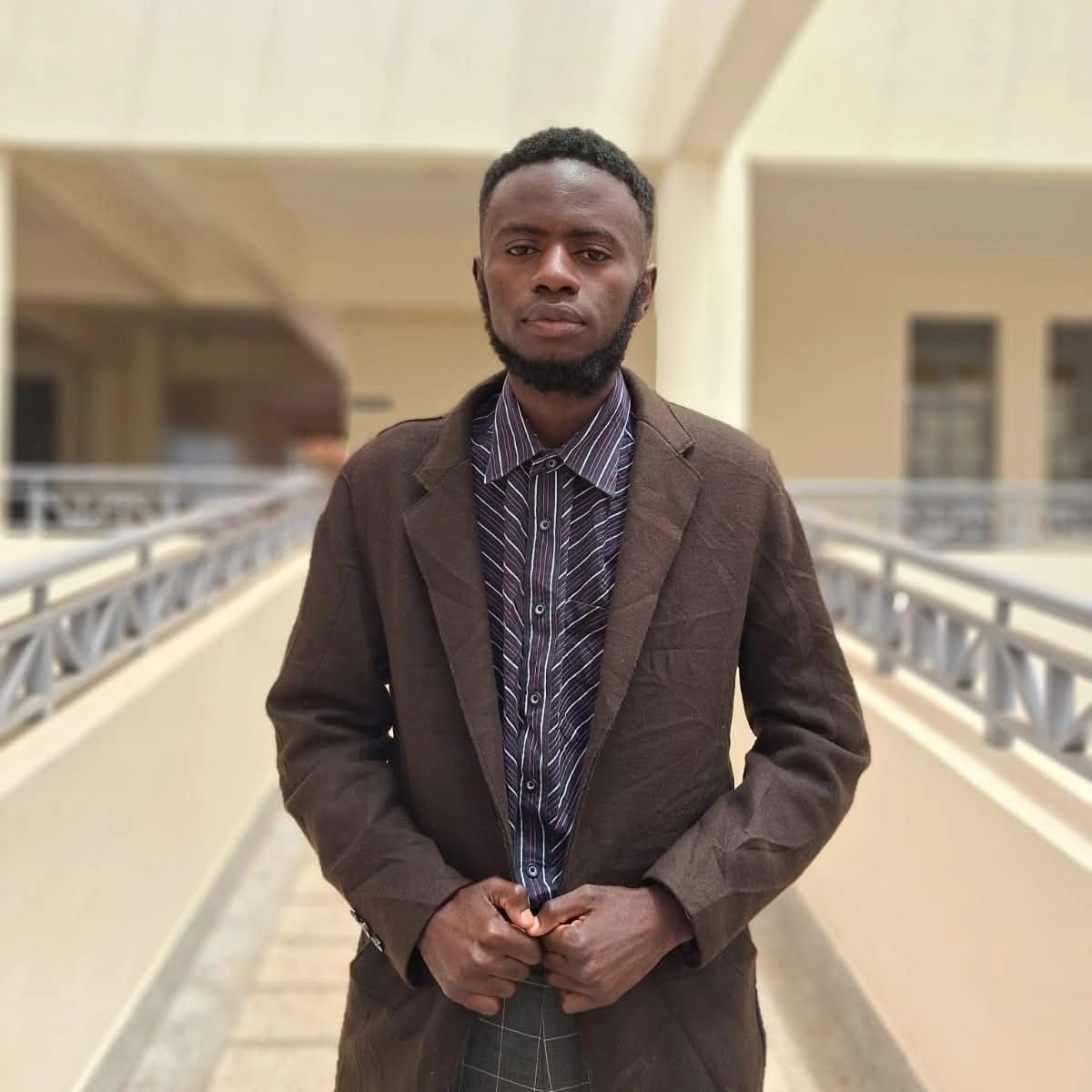
Joseph Mmwa is a health and medical journalist covering breaking health news, medical research, vaccines, infectious diseases, and public health developments around the world.