Florida Records Its Highest Leprosy Count in More Than Three Decades
Most of Florida's recent leprosy cases were acquired within the state, adding to evidence the disease may now be established in parts of the Southeast
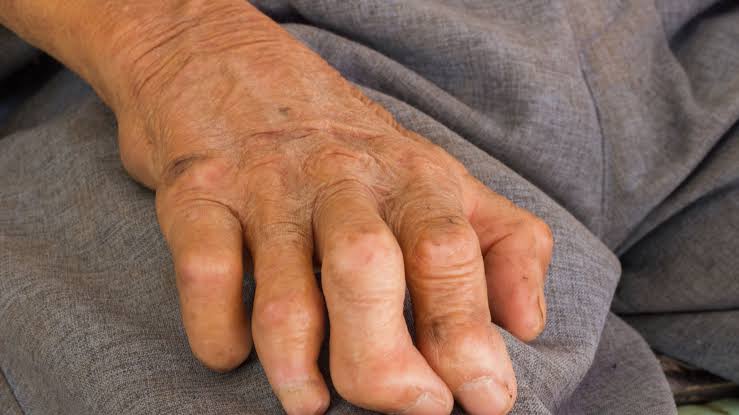
A disease most people file away with medieval history has been turning up, year after year, in one of the wealthiest states in the United States.
The numbers are small in absolute terms but stubborn in direction, and they have now produced a figure Florida has not seen in more than thirty years.
Records from the Florida Department of Health show that 36 cases of Hansen's disease, still widely known as leprosy, were reported in 2025, against a previous high of 29 cases in 2015. A further 17 cases had been reported statewide by mid-July 2026 under preliminary figures.
The Detail That Changes the Story
The total is not what has held researchers' attention. The origin is.
Of the 36 patients reported in 2025, 27 were believed to have acquired the infection in Florida itself, one elsewhere in the United States and three outside the country. The source of infection was unknown in five cases.
A case in a traveller arriving from a country where leprosy is common tells a very different story from a case in someone who has never left the state. The second kind implies the bacterium is circulating locally.
For scale, leprosy remains genuinely rare across the country.
The Centers for Disease Control and Prevention states that up to 225 cases are identified in the United States each year. The National Hansen's Disease Program recorded 159 new cases nationally in 2020.
A Cluster With a Postcode
The geography is narrow.Researchers at the University of Florida's Emerging Pathogens Institute have reported that Brevard County accounted for 40 of the state's 74 confirmed cases between 2019 and 2022, more than any other county, and have pointed to counties along the Interstate 4 corridor through central Florida as areas to watch.
The 2026 cases have involved residents of Brevard, Charlotte, Duval, Highlands, Lake, Lee, Manatee, Miami-Dade, Okeechobee, Orange, Seminole, St. Johns, Sumter and Volusia counties.
What the Journal Letter Actually Said
Much of the coverage over the past three years has traced back to one publication, and it is often described inaccurately.
The 2023 paper in Emerging Infectious Diseases, a journal published by the Centers for Disease Control and Prevention, was a research letter by Aashni Bhukhan, Charles Dunn and Rajiv Nathoo, affiliated with Kansas City University.
It was not a CDC study, though it has repeatedly been reported as one.
Its conclusion was measured.
The authors wrote that increased incidence of cases lacking traditional risk factors, combined with falling diagnoses among people born outside the United States, contributes to rising evidence that leprosy has become endemic in the southeastern United States, and that travel to Florida should be considered when conducting contact tracing in any state.
The letter reported that roughly 34% of new cases between 2015 and 2020 lacked those traditional risk factors, and that central Florida accounted for 81% of Florida's cases and close to one in five cases nationally.
The word "endemic" has done a lot of unhelpful work in headlines since.
Dr. Nicole Iovine, chief hospital epidemiologist at University of Florida Health Shands Hospital, explained that endemic simply means a disease occurs at regular levels in a region, not that rates are climbing. Dr. Rajiv Nathoo, one of the letter's authors, noted that the numbers involved remain very low.
Suspicion Falls on an Animal
Attention has settled on the nine-banded armadillo, one of the few animals known to carry Mycobacterium leprae, the slow-growing bacterium behind the disease.Dr. Joseph Ladapo, Florida's State Surgeon General, raised the possible armadillo connection during an appearance in Orlando, while stressing that residents should not be alarmed.
Dr. Larry Bush, an infectious disease specialist in Wellington, Florida, offered a simpler explanation, suggesting that a growing population and new housing construction have pushed further into wildlife areas, bringing more people into contact with armadillos. He also noted that some cases are imported rather than locally acquired.
Precision matters here.
The armadillo link is an association, supported by biological plausibility and by case clustering in areas where the animals are common. It has not been demonstrated case by case.
The Florida Department of Health has listed contaminated soil and other environmental sources alongside armadillo contact as possible routes of exposure.
Create a free account
Join Joseph Mmwa Media Group and be the first to know the world's biggest health and medical stories as they happen
The 2023 letter itself described a patient who reported no exposure to soil, armadillos or anyone with the disease, leading the authors to note that other exposure sources or animal reservoirs may not yet have been identified.
What the Figures Cannot Settle
Three limitations sit behind these numbers and are easy to miss.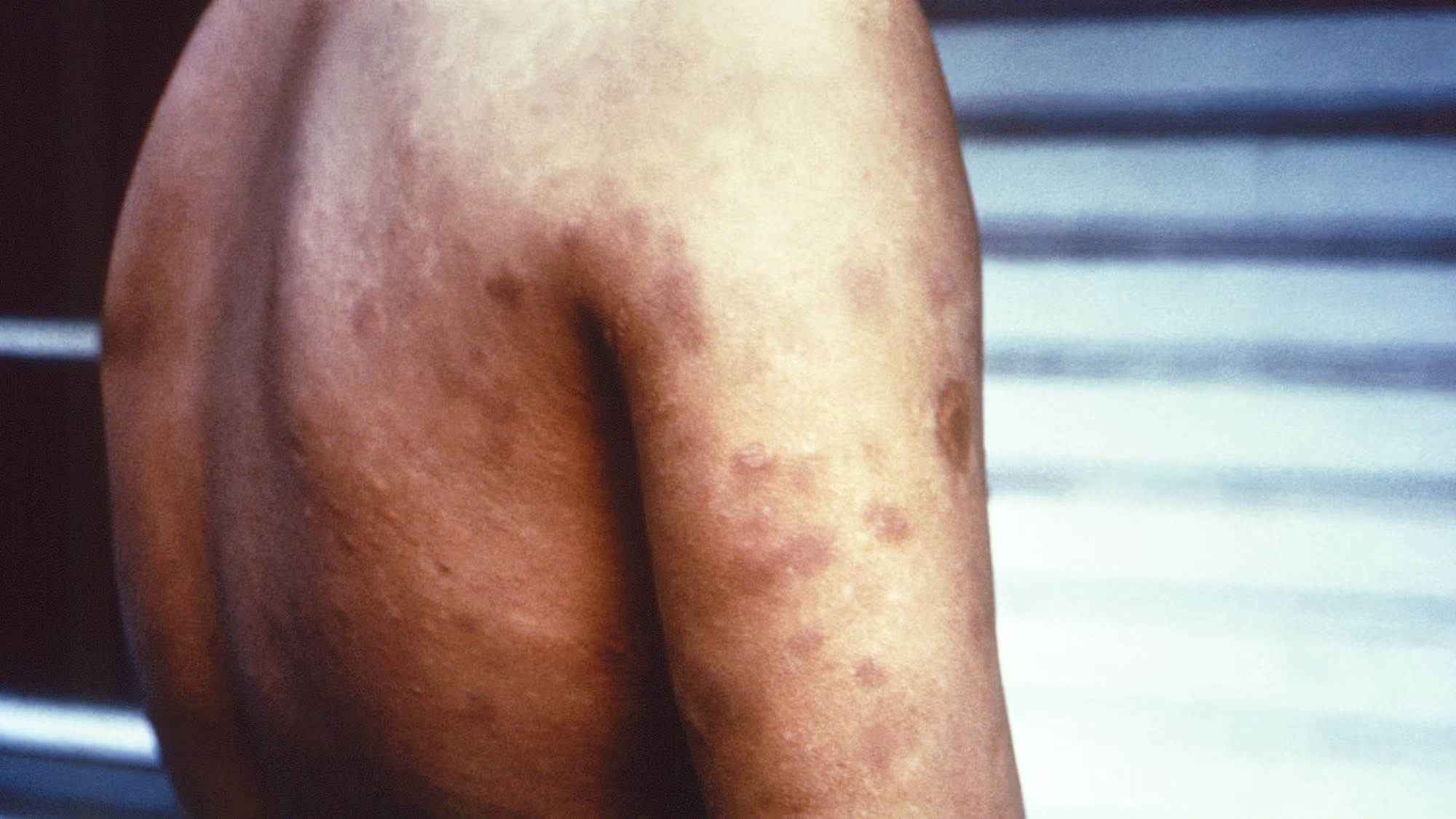
The 2026 total remains preliminary, and county figures reflect each patient's county of residence rather than where the person actually encountered the bacteria.
Incubation is slow. A case reported in 2026 may reflect an exposure that happened years earlier, which makes year-on-year comparisons weaker than they look.
Rising counts can also reflect rising awareness. As clinicians in Florida learn to consider the diagnosis, cases once missed or misclassified are more likely to be recorded. Better detection and genuinely increasing transmission produce the same shape on a graph.
Rare, Treatable, and Hard to Catch
The practical risk to the general public has been described consistently as low.Health authorities state that leprosy is not spread through casual contact, and that infection usually requires prolonged exposure, whether to an infected armadillo, to contaminated soil or environmental sources, or through extended close contact with a person whose disease is untreated. About 95% of people are not susceptible to infection with the bacterium at all.
Treatment has existed for decades and is not experimental.
Leprosy is cured with a combination of antibiotics, treatment in the United States usually runs one to two years, and a patient stops being infectious once treatment begins.
World Health Organization regimens are shorter, at six monthly doses for the milder paucibacillary form and twelve monthly doses for the multibacillary form.
Consultation and medication are provided at no cost to the patient through the National Hansen's Disease Program.
Officials have advised avoiding unnecessary contact with wild armadillos and seeking medical care for persistent skin lesions, numbness or other unusual symptoms.
The reason early diagnosis carries weight is nerve damage. Once feeling is lost in the hands or feet, treatment halts the infection but does not reverse what has already happened.
The View From Everywhere Else
Florida's 36 cases sit inside a far larger global picture.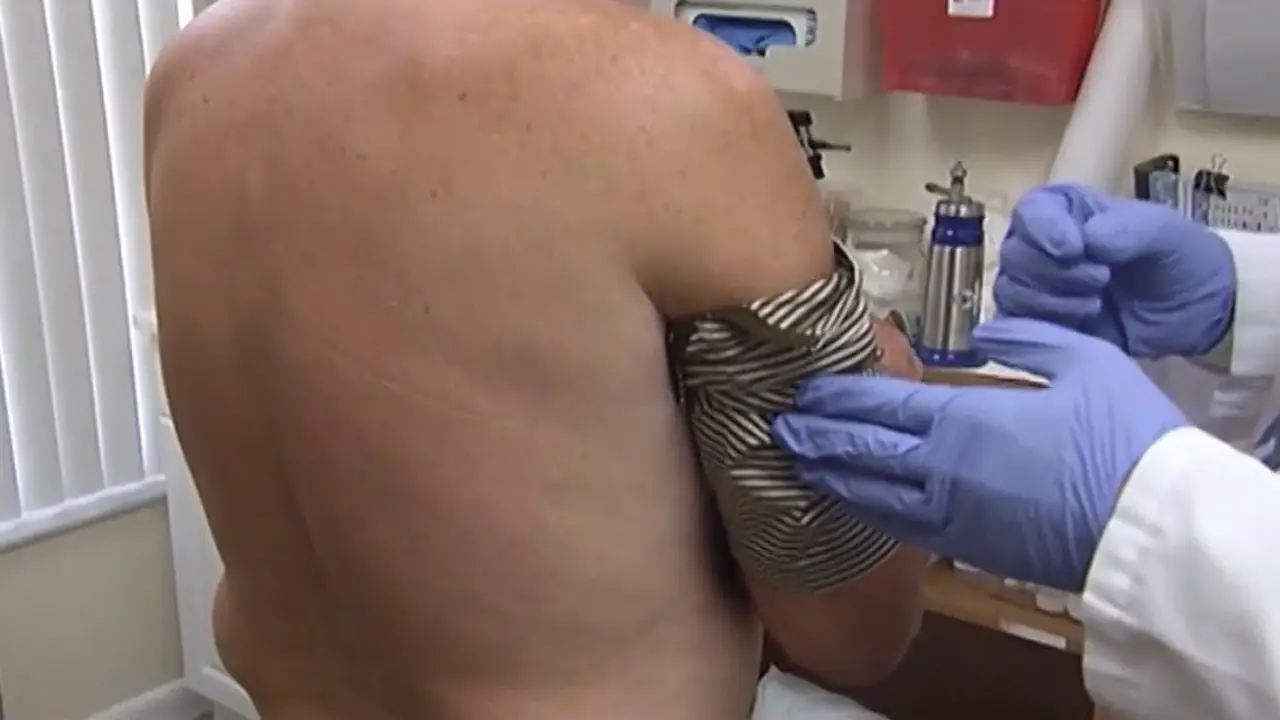
The World Health Organization reported 172,717 new cases of leprosy worldwide in 2024, including 9,397 children and 9,157 people with visible disability at the point of diagnosis.
That was down from 182,815 in 2023, with India, Brazil and Indonesia together accounting for close to 80% of the global total.
Twelve other countries, among them the Democratic Republic of the Congo, Ethiopia, Madagascar, Mozambique, Nigeria, Somalia and the United Republic of Tanzania, each reported between 1,000 and 10,000 new cases in 2024.
In those settings the challenge is not recognising a rare disease but reaching people before disability sets in, often with thin staffing and long distances to the nearest clinic.
One gap in the international record is worth noting.
The International Federation of Anti-Leprosy Associations reported that the United States did not submit leprosy data to the World Health Organization for 2024, despite having reported consistently in previous years, at a time when state records were showing locally acquired cases.
Global elimination of leprosy as a public health problem, defined as prevalence below one case per 10,000 people, was achieved in 2000, and the disease still occurs in more than 120 countries.
WHO guidance recommends screening contacts of newly diagnosed patients and offering eligible contacts a single dose of the antibiotic rifampicin, an approach research has associated with a 50% to 60% reduction in developing leprosy over the following two years.
Florida's immediate task is less dramatic than the headlines suggest: keeping clinical awareness high enough that an unremarkable skin patch gets a second look, and treating the people who present.
The state's figures remain provisional and small in absolute terms, and separating genuine increases in transmission from improved detection will take several more years of complete data.

Joseph Mmwa is a health and medical journalist covering breaking health news, medical research, vaccines, infectious diseases, and public health developments around the world.