HIV Treatment Interruptions Linked to About 10 Times Higher TB Risk, South African Study Reports
New research using South African health records has reported that people with HIV were about ten times more likely to develop tuberculosis during treatment interruptions than people who stayed on treatment, and still carried a 54% higher risk after restarting and getting the virus back under control
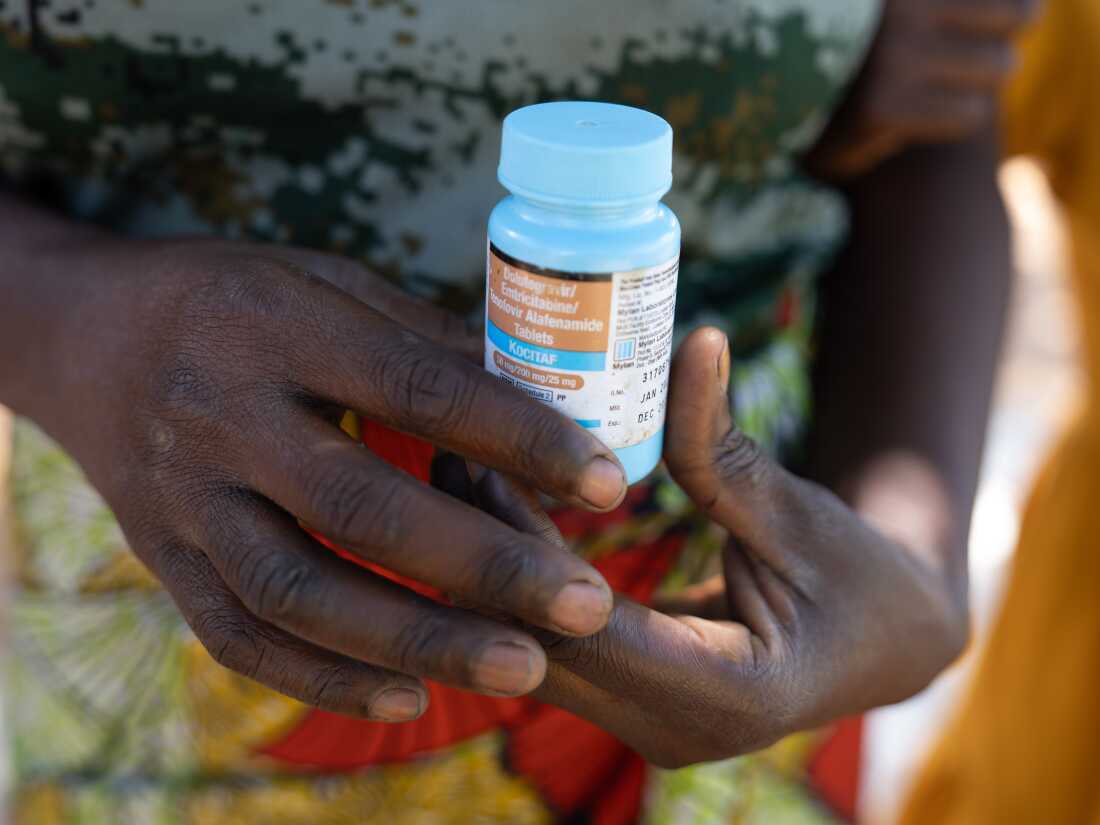
People with HIV in South Africa were about ten times more likely to fall ill with tuberculosis during periods when they were off their treatment than people who stayed on it with the virus suppressed, according to a large analysis of provincial health records.
The analysis was presented at the 26th International AIDS Conference in Rio de Janeiro, Brazil, and reported on 6 August 2026 by Edith Magak for aidsmap, the HIV information service run by the UK charity Terrence Higgins Trust.
It is observational work built from routine patient records, so it can show a strong link between interruptions and tuberculosis without proving the interruption itself caused every case.
It came with a second result: the raised risk did not disappear when patients came back.
Six in ten stopped at least once
Haroon Moolla of the University of Cape Town studied health records from Western Cape, a province in the south west of South Africa, following almost 150,000 adults who started antiretroviral therapy, the combination of medicines that keeps HIV under control, between 2017 and 2024.Sixty-eight percent were women, and the median age at the start of treatment was 32.
The researchers counted an interruption as a gap of at least 28 days without medicine. Six in ten people crossed that line at least once.
Those gaps accounted for only about a fifth of the total follow-up time, yet more than half of all first tuberculosis episodes occurred during them, aidsmap reported from the session.
The estimate rose to 13.5 times among people who began treatment with a CD4 count below 200, and each additional month off treatment was associated with a further 2% increase in risk.
The risk stays high after coming back
People who restarted treatment and achieved viral suppression still had a 54% higher tuberculosis risk than those who had never interrupted, while those who restarted but remained unsuppressed had more than nine times the risk.Moolla told the conference, in remarks reported by aidsmap, that health workers should stay alert to tuberculosis not only when a patient re-enrols but through the follow-up visits that come after.
These are comparisons between groups rather than counts of how many people in a hundred fell ill, and aidsmap's report did not carry absolute rates.
One explanation, offered from the podium
Professor Graeme Meintjes of the University of Cape Town and Queen Mary University of London put forward an explanation in a separate session.
The CD4 count, the number of CD4 immune cells in a blood sample and the standard measure of immune function in HIV, climbs back slowly on treatment but falls quickly once treatment stops.
In the SMART trial, an international study that tested planned treatment breaks two decades ago, counts fell by an average of 87 cells per cubic millimetre a month in the first two months after stopping.
Meintjes argued that recovery after restarting may not return people to the trajectory they were on before, so those who cycle in and out of care lose ground.
He also showed that by 2025, about 65% of South Africans starting or restarting treatment with a CD4 count below 200 were returning after an interruption rather than beginning for the first time.
Advanced HIV disease is defined by the World Health Organization, for adults, adolescents and children aged five and over, as a CD4 count below 200 cells per cubic millimetre or WHO stage 3 or 4 disease.
WHO modelling estimated that about 1.9 million adults in sub-Saharan Africa had it, with a 95% confidence interval of roughly 1.6 million to 2.2 million.
Create a free account
Join Joseph Mmwa Media Group and be the first to know the world's biggest health and medical stories as they happen
A private insurer's records point the same way
Sanele Mbeje of the Centre for the AIDS Programme of Research in South Africa, known as CAPRISA, presented data from Discovery Health Medical Scheme, one of South Africa's largest private medical schemes, covering more than 16,000 people who started treatment between 2018 and 2024.
According to aidsmap's account of the presentation, about a quarter already had advanced HIV disease at the start. Over a median of nearly four years, about 3% of the group died, and those who began with advanced disease were close to five times more likely to die than the rest.
Hospital admissions were also higher in that group, with the gap widest in the first six months after starting treatment.
The study carries a limitation Mbeje stated plainly, and it changes how the finding reads.
The scheme's records could not separate people starting treatment for the first time from those who had been on it before, so it could not determine how many of that sickest quarter were returning patients.
Nearly half had no CD4 result recorded at all, which is why he argued that testing at the start of treatment should be prioritised.
The tools for finding these patients are thinning out
WHO's 2025 guidance recommends CD4 testing as the preferred method for identifying advanced HIV disease, with clinical staging used where testing is unavailable. Access is moving the other way.A landscape assessment by the Clinton Health Access Initiative, cited in the same aidsmap report, found CD4 testing across six southern African countries fell by 35% between 2024 and 2025.
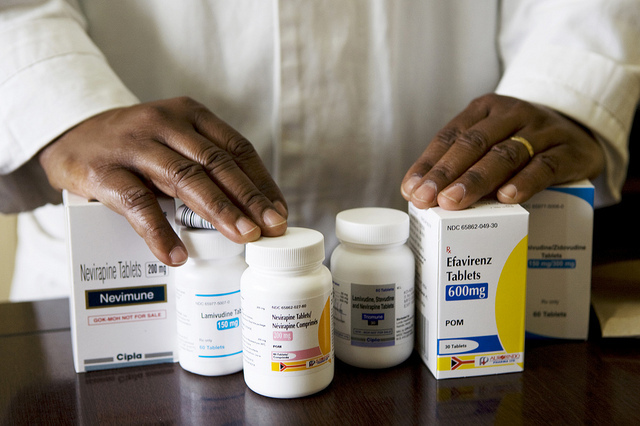
Preventive medicine is thin as well.
Surveillance at Johannesburg hospitals through the Advanced GERMS study found that only 2% of people admitted with advanced HIV disease reported taking co-trimoxazole, an antibiotic recommended under WHO guidance for people in that group, in the previous year, and 3% reported tuberculosis preventive therapy.
Why it travels beyond South Africa
Tuberculosis remains the leading killer of people living with HIV worldwide, and the World Health Organization estimates it caused about 150,000 deaths among them in 2024.
The African region carries the highest burden of HIV-associated tuberculosis, and most of those deaths occur there.
People living with HIV are around 12 times more likely to fall ill with tuberculosis than people without it.
The findings reinforce the importance of keeping people on HIV treatment in countries where HIV and tuberculosis are both common.
Kenya made management of advanced HIV disease a central focus of its 2022 national HIV guidelines, which note that the condition can occur among people returning to care after an interruption, and issued revised integrated guidelines in January 2026.
The estimates above, however, come from South African cohorts and should not be read as Kenyan figures.
These tuberculosis findings were presented at a conference and, at the time of publication, had not been published as a peer-reviewed paper.
What they suggest is that returning to care may not bring tuberculosis risk straight back down to the level seen in people who never stopped, which is an argument for continued monitoring well after treatment restarts.
Source
Moolla H et al., abstract OAB4102; 26th International AIDS Conference, Rio de Janeiro, 2026. Reported by aidsmap, 6 August 2026.
Joseph Mmwa is a health and medical journalist covering breaking health news, medical research, vaccines, infectious diseases, and public health developments around the world.