How MenAfriVac Is Putting Africa on the Path Towards Ending Meningitis
New rollout figures from the World Health Organization show that more than 350 million people across 24 African countries have now received the meningococcal A conjugate vaccine, virtually eliminating the serogroup A epidemics that once swept the meningitis belt
For most of the twentieth century, the arrival of the dry season across a band of sub-Saharan Africa carried a predictable threat.
Hot winds, dust and low humidity created the conditions in which Neisseria meningitidis, the bacterium responsible for meningococcal meningitis, spread rapidly from person to person. Outbreaks arrived in waves, filled isolation wards within weeks, and left survivors deaf, paralysed or living with epilepsy.
The region where this pattern repeated is known as the meningitis belt, a stretch of 26 countries running from Senegal in the west to Ethiopia in the east.
The dominant cause of epidemic meningitis there was serogroup A, one of several distinct varieties, or serogroups, of the meningococcal bacterium.
That specific threat has now largely disappeared. Understanding how, and what has replaced it, matters more than the headline achievement itself.
A vaccine designed for one problem in one region
The Meningitis Vaccine Project began in 2002 as a partnership between the World Health Organization and PATH, a global health non-profit organisation.Its objective was unusual for vaccine development: build a serogroup A conjugate vaccine specifically for African epidemic control, at a price African health ministries could actually sustain.
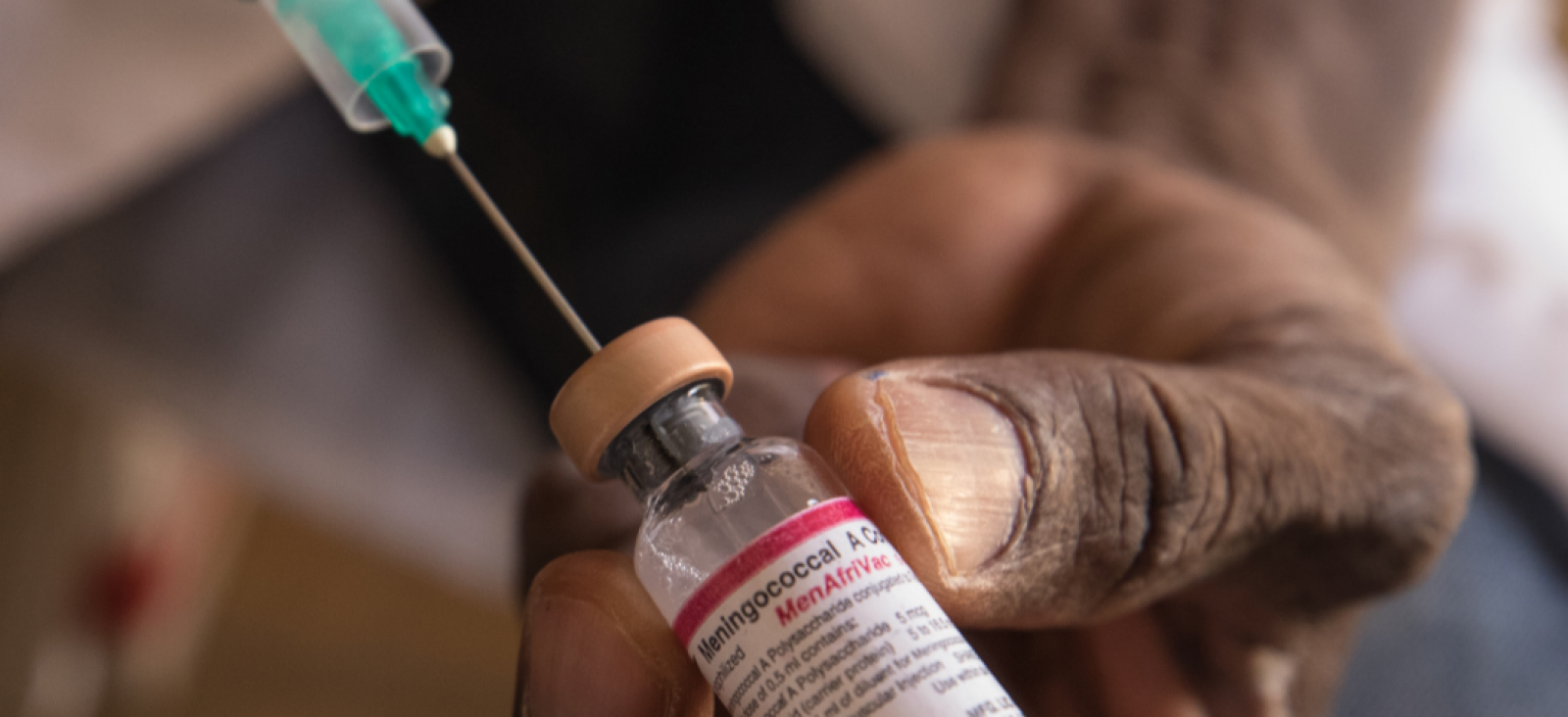
The vaccine, MenAfriVac, was manufactured by Serum Institute of India.
It was licensed in India at the end of 2009 and prequalified by the World Health Organization in June 2010, meaning it met the agency's standards for quality, safety and effectiveness and could be purchased by United Nations agencies.
Mass vaccination of everyone aged 1 to 29 years began in Burkina Faso, Mali and Niger in late 2010.
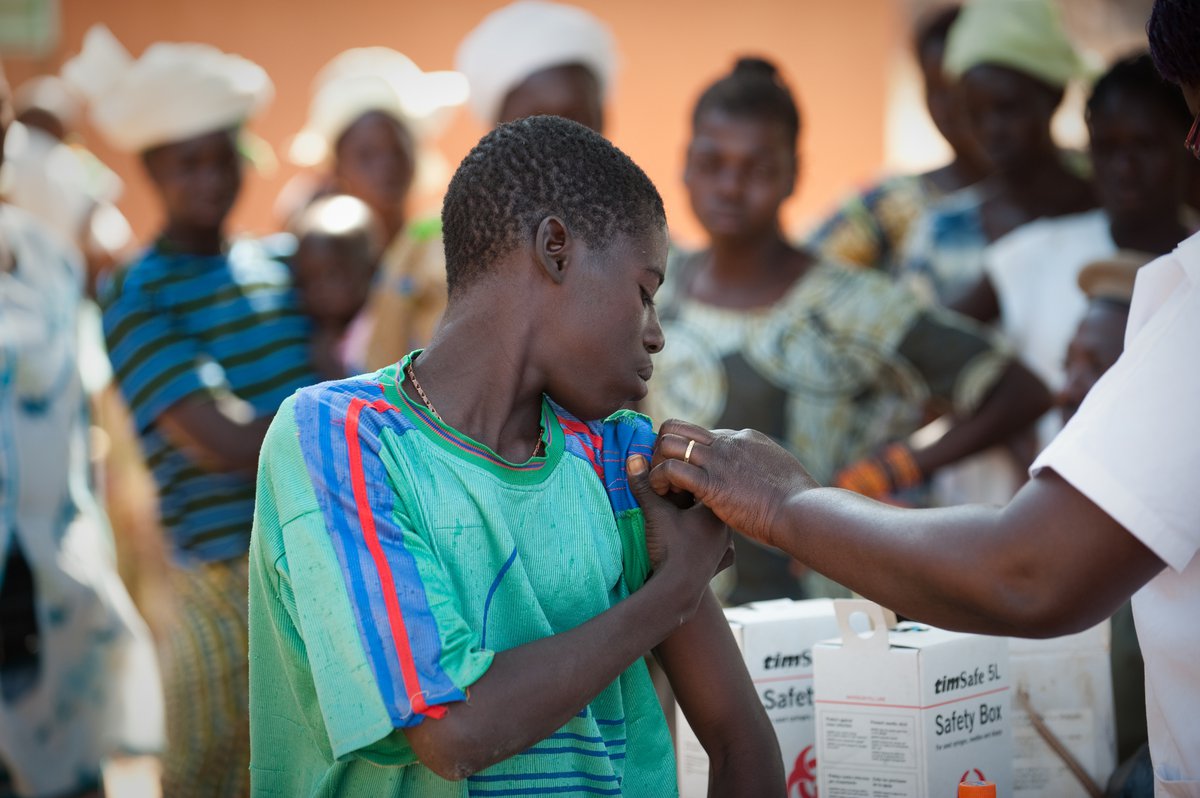
This was the first occasion on which a newly prequalified vaccine went directly into large-scale campaigns in the African region with no delay after licensure, and without first passing through routine childhood immunisation programmes as new vaccines had previously done.
The scale of what followed
Uptake was high.Administrative coverage in the first campaigns in Burkina Faso, Mali and Niger exceeded 90 percent, and by the middle of 2011 the effect on both disease and bacterial carriage was already visible in surveillance data.
According to the World Health Organization Regional Office for Africa, more than 350 million people in 24 countries had been vaccinated as of May 2026.
Those countries include Benin, Burkina Faso, Cameroon, Central African Republic, Chad, Côte d'Ivoire, the Democratic Republic of the Congo, Eritrea, Ethiopia, The Gambia, Ghana, Guinea, Guinea-Bissau, Kenya, Mali, Mauritania, Niger, Nigeria, Senegal, South Sudan, Sudan, Togo and Uganda.
In the three countries that ran the first campaigns, no serogroup A cases were recorded by 2014, and sustained serogroup A epidemics disappeared across the vaccinated areas.
Sporadic confirmed cases have still been documented in the post-campaign period, mostly among people outside the vaccinated age group.
Reporting by TRT Afrika notes that no serogroup A cases have been recorded in the region since 2017, a statement that reflects regional surveillance reporting rather than proof that no individual case has occurred anywhere in the belt.
Why this vaccine did more than protect the people who received it
The distinction that explains MenAfriVac's impact is technical but important. It is a conjugate vaccine, meaning the bacterial sugar coating is chemically linked to a carrier protein.This produces a stronger and longer-lasting immune response than older polysaccharide vaccines, and, critically, it reduces the bacterium's ability to live harmlessly in the throat.
That last point is what turned a personal protection into a population-level one. People carrying the bacterium in the throat without symptoms are the main route of transmission.
By cutting carriage, the vaccine protected unvaccinated people as well, an effect known as herd protection.
This is why vaccinating one age band, 1 to 29 years, was able to interrupt serogroup A transmission across whole countries where campaign coverage was high. It did not interrupt meningitis transmission in general.
Earlier reactive campaigns had waited for outbreaks to be declared before deploying polysaccharide vaccines.
That approach was expensive and frequently arrived after the peak of transmission.
The strains that moved into the gap
The success against serogroup A did not end meningitis in the belt. Serogroups C, W and X continued to circulate and caused focal epidemics.The pattern is documented in surveillance data.
Serogroup W became the leading cause in the region, responsible for 55 percent of laboratory-confirmed cases in 2012, and serogroup C has caused major recurrent epidemics in parts of the belt, particularly Niger and Nigeria.
The human cost of that shift was measured directly in a study published in the journal PLOS One in May 2025.
Researchers from Epicentre, the research arm of Médecins Sans Frontières, working with Niger's Ministry of Public Health, tracked survivors of a 2022 serogroup C epidemic in the Magaria and Dungass districts.
Nurse investigators visited case-patients in their homes roughly nine months after the outbreak and carried out a standardised interview and physical examination.
A total of 1,001 suspected cases and 50 deaths were reported across the two districts. Of 570 cases the team was able to locate and assess, 49 had died.
Among the 521 cases alive at the time of the survey, 61, or 12 percent, reported at least one lasting sequela. Among the 138 survivors with laboratory-confirmed serogroup C infection, 25, or 18 percent, reported one or more.
The most common were hearing loss, reported in 6 percent of survivors, followed by paralysis in 3 percent and epilepsy in 2 percent.
Some people had more than one, so these categories are not mutually exclusive. All nine epilepsy cases were in children, seven of them under the age of 10. A further six cases involved intellectual disability or developmental regression, described by family members rather than measured by formal assessment.
Create a free account
Join Joseph Mmwa Media Group and be the first to know the world's biggest health and medical stories as they happen
In absolute terms, roughly one in eight survivors of that epidemic, and close to one in five with confirmed disease, had at least one documented sequela when investigators visited.
Two findings from that work carry beyond the outbreak itself.
The case fatality rate observed by the investigators, 8.6 percent among the cases they traced, was higher than routine surveillance had reported, which raises questions about how accurately epidemic mortality is captured across the belt.
And the authors found extensive disability alongside very limited access to rehabilitation services.
They argue that care for post-meningitis sequelae, though named as a priority in the World Health Organization road map, is not yet part of standard epidemic response.
The study has clear limits. Of 919 cases the team set out to find, only 570 were located, and 82 were excluded because of distance, so the sample is likely to under-represent the most remote households.
Sequelae were also self-reported or reported by relatives alongside a focused examination, rather than confirmed by audiometry or specialist assessment.
The 8.6 percent case fatality among traced cases is not directly comparable with the 5.0 percent initially reported, because the traced group was incomplete and possibly selective.
A five-strain vaccine, and where it has been used
The response to that gap was, in the World Health Organization's description, thirteen years in the making.Men5CV, sold under the brand name MenFive, was developed through a partnership between PATH and Serum Institute of India, with financing from the United Kingdom government's Foreign, Commonwealth and Development Office.
It protects against five serogroups: A, C, W, Y and X. Serogroup X had not previously been covered by any licensed vaccine.
The World Health Organization prequalified Men5CV in July 2023 and formally recommended it to countries in October 2023. Gavi, the Vaccine Alliance, allocated rollout funding in December 2023.
Nigeria conducted the first campaign anywhere in the world in March 2024, targeting one million people.
In April 2025, Nigeria received more than one million further doses from the Gavi-funded global stockpile to respond to a serogroup C and W outbreak in the north that had caused more than 800 cases and over 70 deaths across 23 states.
Niger, not Nigeria, was the first country to move beyond outbreak response.
It ran the first nationwide preventive mass campaign in 2025 and, according to Gavi, was set to become the first in the belt to introduce the vaccine into routine immunisation. Other belt countries were expected to begin phased introductions, subject to financing, supply and national decisions.
The two vaccines are used differently.
The World Health Organization advises vaccinating 1 to 29-year-olds with the meningococcal A conjugate vaccine, and 1 to 19-year-olds with Men5CV, alongside introduction into routine schedules at 9 to 18 months of age. The two are not intended to run in parallel indefinitely.
In countries that adopt Men5CV, it is meant to replace the serogroup A vaccine in the routine schedule.
Real-world safety evidence
Clinical trials had shown Men5CV to be safe, but the World Health Organization asked countries to monitor closely once it entered field conditions.
A study published in the journal Vaccinein 2026 analysed more than 4.8 million people vaccinated during the 2024 outbreak-response campaigns in Nigeria and Niger. It found very low rates of serious adverse events and identified no new safety signals.
That is the first large-scale safety dataset from actual campaign conditions rather than trial settings, and it strengthens the case for the preventive campaigns now being planned.
What the 2030 target still requires
Coverage remains uneven.According to a modelling study assessing the period to 2021, eight of twelve belt countries assessed had meningococcal A conjugate vaccine coverage above 60 percent, with Burkina Faso highest at 87.3 percent. Guinea remained below 40 percent, while Nigeria, Chad and the Central African Republic sat in the 40 to 60 percent range.
As of that assessment, several countries, including Burundi, the Democratic Republic of the Congo, Kenya, Mauritania, Senegal, South Sudan and Uganda, had not introduced the vaccine into routine immunisation at all.
Some have since moved, and current national schedules should be checked against the latest World Health Organization immunisation data.
Routine immunisation is what sustains the gains. Campaign-generated immunity fades as new birth cohorts arrive, and the World Health Organization advises adding the vaccine to routine schedules within five years of a mass campaign for that reason.
Deaths from vaccine-preventable bacterial meningitis have fallen by more than a fifth since 2015, according to figures cited by the Meningitis Research Foundation.
The global road map target is a 50 percent reduction in cases and a 70 percent reduction in deaths by 2030, measured specifically for vaccine-preventable bacterial meningitis rather than meningitis from all causes.
"The momentum we are seeing across countries is encouraging," said Antoine Durupt, Coordinator of the Defeating Meningitis by 2030 global road map at the World Health Organization, speaking after regional workshops held in Copenhagen and Cairo.
Vinny Smith, Chief Executive of the Meningitis Research Foundation, put the remaining timeline plainly, noting in comments reported in August 2026 that just over four years remain before the road map's goals fall due.
The wider lesson
MenAfriVac is frequently cited as proof that a vaccine can be developed for a specific regional disease burden, priced for the health systems that need it, and deployed at regional scale across Africa's meningitis belt.That reading is accurate but incomplete.
The same programme also demonstrated that eliminating serogroup A did not prevent other serogroups from causing outbreaks, and that surveillance and laboratory capacity determine whether a shift in the dominant strain is detected early or late.
For countries outside the belt, including those in East Africa, Asia and Latin America that face different meningococcal patterns, the transferable element is arguably less the vaccine itself than the model: sustained public and philanthropic financing, manufacturing in a lower-cost setting, and a target price set before development began. That is an interpretation of the programme's design rather than a measured outcome.
The elimination of serogroup A epidemics is a documented and durable public health achievement, but it remains conditional on routine immunisation coverage that several meningitis belt countries have yet to establish, and on surveillance systems capable of identifying the next dominant serogroup before it becomes an epidemic.

Joseph Mmwa is a health and medical journalist covering breaking health news, medical research, vaccines, infectious diseases, and public health developments around the world.