Kenya Approves Seven New Semaglutide Medicines, but Draws a Line on Weight Loss
Kenya’s medicines regulator has approved seven new semaglutide products, expanding treatment options for type 2 diabetes while clarifying that only Wegovy carries approval for weight management
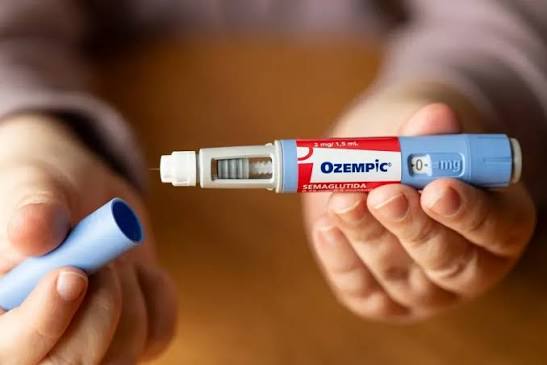
Kenya's medicines regulator has cleared seven new semaglutide products for sale, ending the near-monopoly two Novo Nordisk brands have held over one of the most sought-after classes of medicine in the world. The decision widens the treatment options available to Kenyans living with type 2 diabetes, and it arrives with an unusually pointed set of conditions attached.
The Pharmacy and Poisons Board, the government body that registers and regulates medicines in Kenya, announced the approvals after assessing the products for quality, safety and effectiveness. Citizen Digital reported the decision on 15 August 2026.
The board's central message was not about the new arrivals themselves but about a misunderstanding it clearly expects to follow them.
Same ingredient, different permissions Semaglutide is a prescription medicine that imitates a natural hormone in the body, lowering blood sugar and reducing appetite.
It is the active ingredient in Ozempic and Wegovy, the weekly injections made by the Danish pharmaceutical company Novo Nordisk, and it is the reason both drugs have become globally famous.
Kenya previously had those two products alone.
A generic version called Truglyx, made by the Indian pharmaceutical company Hetero, was launched in Nairobi in July 2026 at a symposium on diabetes and obesity attended by more than 300 physicians.
The newly registered generic products are approved for type 2 diabetes.
So is Ozempic, which the board says is licensed for adults whose blood sugar is not adequately controlled, to be used alongside diet and physical activity.
Wegovy is the exception. It is the product authorised in Kenya for weight management in adults with a high body mass index, again alongside diet and exercise, and it is approved to support both initial weight loss and keeping weight off over the longer term.
That difference is the whole point of the announcement. Two medicines can contain exactly the same drug and still be licensed for different purposes, because approval rests on the evidence a manufacturer submits for a specific use in a specific group of patients, not on the ingredient alone.
The regulator's warning, in its own words
Dr Ahmed Mohamed, Chief Executive Officer of the Pharmacy and Poisons Board, said patients should not assume the products are substitutes for one another."While these products contain the same active ingredient, their approved uses are not necessarily interchangeable and must be understood with reference to the indication approved for each product," he said.
He added that semaglutide medicines are prescription-only and should be used only after assessment and prescription by a qualified healthcare professional.
The board also urged the public not to use the medicines for self-directed weight loss or to buy them from unauthorised sellers.
Create a free account
Join Joseph Mmwa Media Group and be the first to know the world's biggest health and medical stories as they happen
That warning has a history in Kenya. In a public notice issued in August 2025, the board's then chief executive, Dr Fred Siyoi, said the regulator had observed a rise in off-label use for cosmetic weight loss driven by social media trends and unauthorised sales, and listed low blood sugar, eye conditions, acid reflux and intestinal obstruction among the risks of using the drug without supervision.
Why the market is suddenly crowded
The timing is not accidental.The main patent protecting semaglutide expired globally on 20 March 2026, removing the legal barrier that had prevented other manufacturers from making and selling the drug. In India, more than 40 companies launched generic versions within days.
Africa has followed a predictable path. India supplies over half of the continent's generic medicines, and South Africa, the continent's largest pharmaceutical market, has been the main entry point. .
South Africa's regulator confirmed in July 2026 that it had 12 generic semaglutide applications under review, having already approved one from India's Sun Pharmaceutical Industries.
Kenya has been widely expected to be among the next markets to open.
What this may, and may not, mean for price
More competition usually means lower prices, but the Kenyan figures are not yet public, and the board's announcement dealt with approvals rather than cost.The experience elsewhere is mixed rather than dramatic.
In India, generic entry pushed prices down sharply and Novo Nordisk responded by cutting the price of branded Ozempic there by 48 percent.
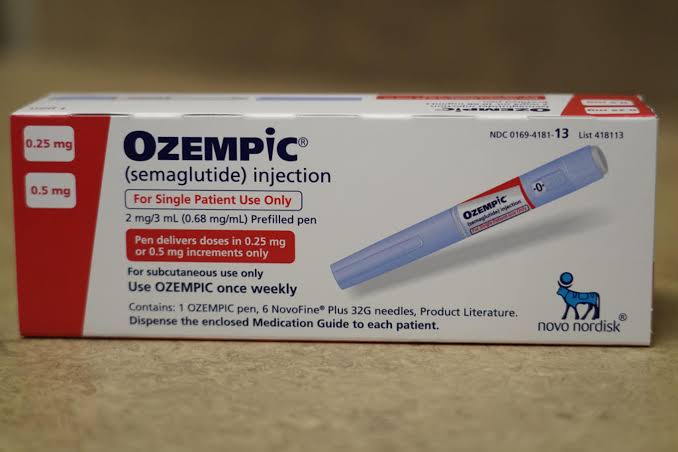
In South Africa, by contrast, the first price movement came from Novo Nordisk itself, which launched a lower-priced authorised version of Ozempic at a 15 percent discount before generic competitors had reached pharmacy shelves.
A 15 percent reduction on an expensive medicine is still an expensive medicine.
For Kenyan patients, the honest position is that registration is a necessary step towards affordability, not a guarantee of it.
The wider health picture
The approvals come as Kenya, like much of Africa, faces a rising burden of non-communicable diseases including diabetes and obesity, conditions that require lifelong management rather than a course of treatment.The World Health Organization added semaglutide to its Model List of Essential Medicines in September 2025, identifying it as a medicine countries should prioritise.
Listing a drug in that way typically encourages governments to procure it, supports the development of cheaper generic versions and strengthens the argument for including it in public health systems.
Having more registered products gives Kenyan clinicians more to work with.
The regulator's position is that this changes prescribing options, not prescribing standards: the right medicine, the right dose and the right indication remain matters for a qualified health professional to determine, and products bought outside authorised channels carry risks the board cannot vouch for.

Joseph Mmwa is a health and medical journalist covering breaking health news, medical research, vaccines, infectious diseases, and public health developments around the world.