New CDC Director Erica Schwartz Faces First Test Over Trump’s Vaccine Order
Trump’s vaccine order puts the incoming CDC chief at the center of a high-stakes clash between scientific evidence and political direction
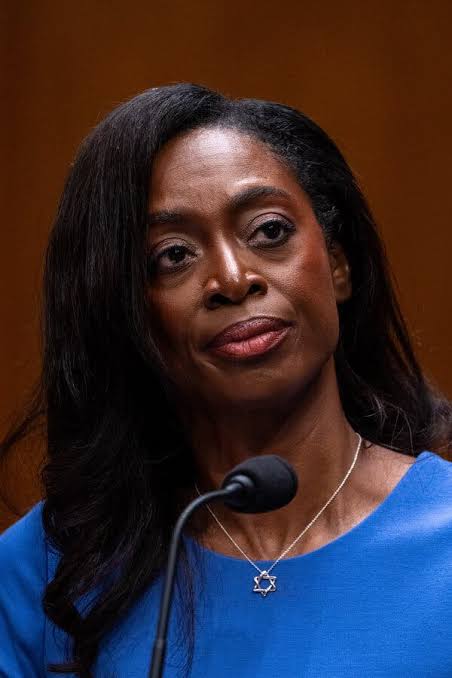
Erica Schwartz has not been sworn in as director of the US Centers for Disease Control and Prevention, and she is already facing the defining decision of her tenure.
President Donald Trump signed an executive order on August 10, 2026, directing federal health officials to reduce the number of vaccines recommended for American children.
Schwartz, MD, MPH, JD, who has been confirmed by the Senate but has not yet started the job, will have to decide how the CDC responds.
What the order changes
The current US childhood immunization schedule protects against 18 potentially serious diseases.Trump's order calls for recommending only 11 vaccines, effectively narrowing the schedule the CDC has built over decades of clinical evidence review.
Vaccine recommendations are typically drafted by an independent panel of medical experts after they examine the available research, then signed off on by the CDC director.
Executive orders bind federal employees but carry no legal force over doctors, hospitals or states. New York has already said it will keep its current vaccine policy unchanged regardless of the order.
This is the second attempt this year to cut the childhood vaccine schedule. An earlier version, announced by an acting CDC director in January, was blocked by a federal judge after legal challenges.
A director fired for saying no
Schwartz is not stepping into a settled agency.Her predecessor, Susan Monarez, PhD, became the CDC's first Senate confirmed director earlier this year and was fired after less than a month, after she declined to approve vaccine policy changes pushed by Health and Human Services Secretary Robert F. Kennedy Jr. The agency has had no permanent director since.
That history is why public health researchers describe Schwartz's response to the new order as consequential beyond this single policy.
Bruce Gellin, MD, MPH, who led the federal National Vaccine Program Office from 2002 to 2017, said the decision would show whether her leadership follows the scientific evidence or defers to political direction.
Create a free account
Join Joseph Mmwa Media Group and be the first to know the world's biggest health and medical stories as they happen
Where Schwartz says she stands
At her Senate confirmation hearing, Schwartz testified that she supports vaccines and said she would never betray the science.She told lawmakers her priority as director would be restoring public trust in health guidance through transparency and scientific integrity.
When Senator Bernie Sanders, an independent from Vermont, asked whether she would refuse an order from Kennedy that conflicted with scientific evidence, Schwartz said she did not believe the secretary or the president would ever issue one.
Several senators on the committee said afterward that her answer avoided the question directly.
Demetre Daskalakis, MD, MPH, former director of the CDC's National Center for Immunization and Respiratory Diseases, said Schwartz's handling of the order would reveal her actual priorities once she is in the role, rather than her stated ones.
An agency already stretched thin
Whatever Schwartz decides, she is inheriting a CDC operating with fewer resources than it has had in years.The agency has lost about a quarter of its workforce since the start of the Trump administration, even as it works to contain the largest US measles outbreak in 35 years, a record outbreak of Cyclospora foodborne illness, and an Ebola outbreak in central Africa.
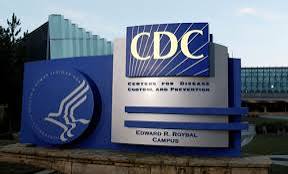
The executive order also arrived two days after the anniversary of an August 2025 shooting at CDC headquarters in Atlanta, in which a gunman who blamed the COVID-19 vaccine for his health problems killed a security guard before being fatally shot by police.
Former CDC leaders have said the anniversary added to an already difficult period for agency staff morale.
Debra Houry, MD, MPH, a former CDC chief medical officer, said every incoming director has to privately decide in advance which policy lines they are not willing to cross, because that judgment becomes harder to make under pressure once a crisis is already underway.
Schwartz has not publicly stated how she will respond to the order. Her decision, expected in the coming weeks, will be one of the first public signals of how the CDC operates under her leadership.

Joseph Mmwa is a health and medical journalist covering breaking health news, medical research, vaccines, infectious diseases, and public health developments around the world.