New Studies Confirm RSV Immunizations Are Working to Protect Newborns
Real-world studies confirm that maternal RSV vaccination and nirsevimab can substantially reduce RSV-related hospitalization in infants, with the strongest protection seen in the youngest babies
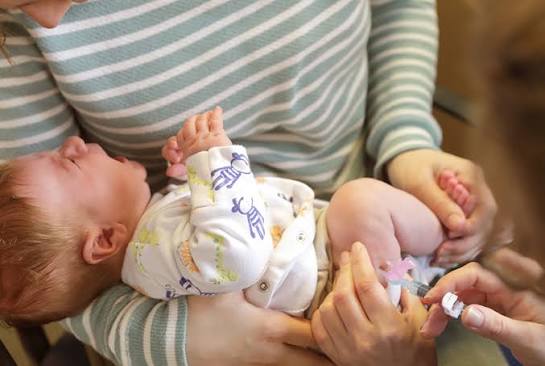
Two new studies, one from France and one from the United Kingdom, have found that RSV immunizations are doing what they were designed to do: keeping newborns out of the hospital during their first respiratory virus season.
The findings, published this week, mark some of the strongest real-world confirmation yet that the two main tools available to protect infants from respiratory syncytial virus (RSV) are working as intended once they leave the controlled setting of a clinical trial.
RSV is a common seasonal virus that causes cold-like symptoms in most people but can turn dangerous in very young babies, whose airways are small and immune systems are still developing.
It is the leading cause of hospital admission for breathing illness in infants worldwide, and the World Health Organization estimates it kills nearly 46,000 babies under six months of age every year.
Since 2023, two new tools have become available to prevent this: a vaccine given to pregnant women, which passes protective antibodies to the baby before birth, and nirsevimab, a lab-made antibody injection given directly to newborns that starts protecting them immediately.
The two new studies tested how well each of these tools is performing in the real world, away from the closely monitored conditions of a clinical trial.
An Antibody Shot That Works Right Away
The French study, published in JAMA Pediatrics, followed nearly 75,000 infants to see how well nirsevimab protected them against RSV hospitalization.Unlike a vaccine, which prompts the body to build its own antibodies over about two weeks, nirsevimab supplies babies with ready-made antibodies that begin working right away, an important difference for a newborn who may be exposed to RSV within days of birth.
The results were strong.
Infants given nirsevimab during the 2023-2024 respiratory season, which in most places runs from fall through early spring, were 66 percent less likely to be hospitalized with RSV than infants who were not immunized.
Babies given the shot during the following season, 2024-2025, were 72 percent less likely to be hospitalized.
Those numbers are somewhat lower than figures reported in some earlier real-world studies, which found nirsevimab reduced hospitalization risk by 85 to 90 percent.
The study authors said the difference likely comes down to how the newer study was designed.
It included some older babies who were born before France's immunization campaign began, a group that would be expected to have a naturally lower risk of severe RSV regardless of immunization.
Vaccinating Mothers Also Protects Babies, Especially the Youngest
The second study, published online July 1 in The Lancet Child & Adolescent Health, took a different approach.
Instead of immunizing the baby directly, it looked at what happens when the mother is vaccinated during pregnancy, between weeks 28 and 31, a point at which a typical 40-week pregnancy is entering its final trimester.
Among 694 babies studied in the United Kingdom, those born to vaccinated mothers were 61 percent less likely to be hospitalized with RSV in their first six months of life than babies of unvaccinated mothers.
None of the newborns in this study also received nirsevimab, so the results reflect the vaccine's effect on its own.
The protection was strongest in the very youngest babies. Newborns under three months old were 76 percent less likely to be hospitalized than their unvaccinated peers, likely because the antibodies passed on by the mother are at their highest concentration soon after birth and decline as the baby gets older.
All infants in the study were born after at least 28 weeks of pregnancy; babies born before 37 weeks are considered premature and face higher risks for a range of health problems, including severe RSV.
James Campbell, MD, professor of pediatrics and interim head of the Division of Infectious Diseases and Tropical Pediatrics at the University of Maryland School of Medicine, who was not involved in the study, said the UK findings are consistent with earlier research on the effectiveness of RSV vaccination during pregnancy.
Create a free account
Join Joseph Mmwa Media Group and be the first to know the world's biggest health and medical stories as they happen
Protection Fades, and One Signal Needs Watching
Both tools share a limitation: neither offers permanent protection.
Nirsevimab is known to protect for about five months, enough to cover a baby's first RSV season but not necessarily a second.
Some other studies have suggested it may provide partial protection into a second season, but researchers describe that evidence as mixed.
Amesh Adalja, MD, a senior scholar at the Johns Hopkins Center for Health Security who was not involved in either study, said this pattern is expected of any antibody-based treatment.
Like all antibodies, the ones in nirsevimab do not last forever, and protection naturally wanes as they break down in the body.
The French study also flagged something researchers are watching closely: a small increase in the risk of ear, nose, and throat infections among babies who received nirsevimab.
This runs counter to an earlier French study that had found nirsevimab was linked to fewer ear infections, not more.
The study authors cautioned that the new finding was based on a small number of cases and does not outweigh the benefits of RSV immunization.
Adalja was more direct, calling it possible statistical noise. "It doesn't have biological plausibility," he said, meaning there is no known biological reason nirsevimab would cause ear infections in the first place.
A Tool Most of the World Still Cannot Afford
Both studies come from wealthy countries with the infrastructure to roll out new immunization campaigns quickly.
That matters because RSV's deadliest toll falls elsewhere.
According to the World Health Organization, 97 percent of RSV deaths in children occur in low- and middle-income countries, where access to supportive hospital care for a sick infant is often limited.
The WHO has also said the current cost of nirsevimab and maternal RSV vaccines is too high for most low- and middle-income countries to afford, and that RSV is still under-recognized as a cause of severe lung disease in many of these settings.
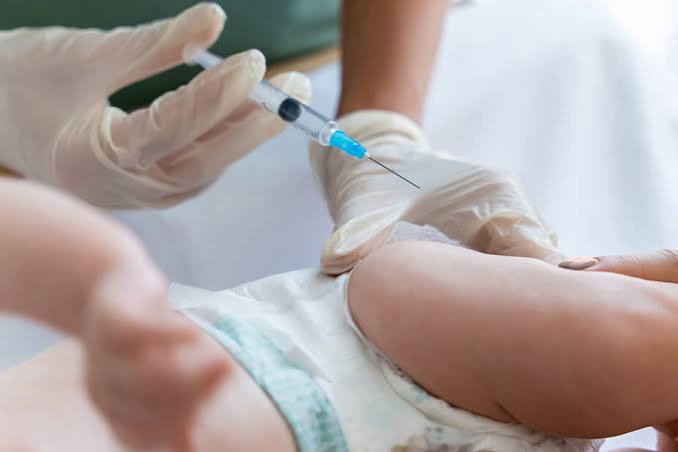
That combination is delaying the rollout of tools that could save the most lives where the need is greatest, including across much of Africa, where health systems already face many competing priorities.
What This Means Going Forward
For families in countries where these tools are already available, the two new studies offer reassurance that both options work as advertised."These two studies are real-world confirmations that current infant RSV prevention tools work," Adalja said. "Both tools deliver strong protection during the window they're designed to cover."
In the United States, the American College of Obstetricians and Gynecologists recommends the RSV vaccine for pregnant women between 32 and 36 weeks of pregnancy, while the American Academy of Pediatrics recommends that infants whose mothers were not vaccinated receive nirsevimab or a newer option, clesrovimab, before 8 months of age.
High-risk children aged 8 to 19 months entering a second RSV season are advised to receive nirsevimab.
Neither study was a randomized clinical trial, and both relied on real-world health records rather than the tightly controlled conditions of earlier research, a design that offers a truer picture of everyday effectiveness but carries less certainty than a trial built specifically to test cause and effect.
Researchers on both teams say continued monitoring will be needed to track how long protection lasts and whether the ear infection signal in the French data holds up in future seasons.
Source
First- and Second-Year Outcomes After Nirsevimab Immunization. JAMA Pediatrics. Aug 2026 (French National Health Data System cohort). A national programme of bivalent prefusion F vaccination in pregnancy and protection against respiratory syncytial virus hospitalisation in infants until age 6 months in the UK. Lancet Child Adolesc Health. Online 1 Jul 2026. Reported by Szabo L, CIDRAP News, 14 Aug 2026. Burden figures: World Health Organization, Respiratory syncytial virus (RSV) fact sheet.
Joseph Mmwa is a health and medical journalist covering breaking health news, medical research, vaccines, infectious diseases, and public health developments around the world.