U.K Approves New Treatment For Drug Resistant HIV
New NHS rollout of the drug lenacapavir gives hundreds of people in England living with treatment-resistant HIV a working option after standard antiretrovirals stopped controlling their virus, with roughly 92 patients eligible immediately and about 300 expected to qualify over the next three years
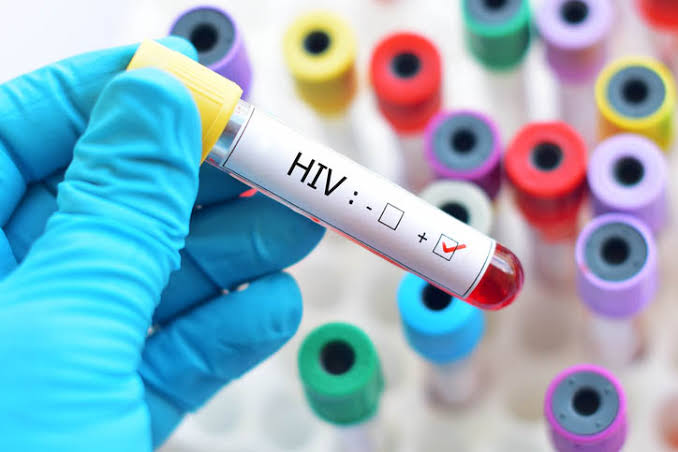
NHS England, the body that plans and funds health services for England's publicly funded National Health Service, has begun offering a new drug, lenacapavir, to patients whose HIV no longer responds to any standard treatment.
About 92 patients qualify now, and NHS England expects roughly 300 to become eligible over the next three years.
A Drug That Attacks HIV From a New Angle
Around 100,000 people live with HIV in England.
Most take daily antiretroviral pills, the class of drugs that suppress the virus so far that laboratory tests can no longer detect it in the blood, which also means those patients cannot pass HIV on.
In a small number of patients, however, the virus mutates until those pills no longer hold it down, and the infection can progress to life-threatening illness.
NHS England announced on 17 August 2026 that lenacapavir, a twice-yearly injection, will be routinely available to these patients.
The decision followed a recommendation from the Clinical Priorities Advisory Group, the panel that advises NHS England on which specialised treatments the health service should fund.
Lenacapavir reaches the virus by a route older drugs do not use.
Most HIV medicines block enzymes the virus needs to copy itself. Lenacapavir instead targets the capsid, the protective shell around HIV's genetic material, and halts replication there.
Because resistance to the older drugs developed against those enzymes, it does not protect the virus against an attack on the capsid.
Treatment starts with a tablet taken for two days, a second tablet eight days later, and two injections on day 15.
After that, patients receive one injection every six months, against the daily tablet other HIV regimens require.
"This trailblazing drug will offer a lifeline to people living with HIV for whom conventional treatments have not worked and options are currently limited, giving them the opportunity to live a normal, healthy and long life," said John Stewart, National Director for Specialised Commissioning at NHS England.
Part of a Wider Push to End New HIV Cases
The rollout forms part of NHS England's plan to end new HIV transmissions in England by 2030. That plan also includes opt-out HIV testing in accident and emergency departments, where patients are tested unless they decline, and free home testing kits ordered through the NHS app.
Create a free account
Join Joseph Mmwa Media Group and be the first to know the world's biggest health and medical stories as they happen
Stewart said the emergency department programme is finding thousands of previously undiagnosed cases each year.
Baroness Merron, a UK health minister, said the treatment will "totally transform" the lives of patients with drug-resistant HIV, and restated the government's target of ending new transmissions by 2030.
NHS clinics are already contacting eligible patients, who NHS England said should begin treatment within weeks.
The Same Drug, a Different Job, in Africa
Lenacapavir is already in use across much of Africa, in a different role.
Kenya's Pharmacy and Poisons Board, the national medicines regulator, approved the drug in January 2026 for HIV prevention, known as pre-exposure prophylaxis or PrEP, as did regulators in Uganda, Botswana, Namibia and Mozambique.
Used that way, the same twice-yearly injection goes to people who do not have HIV, to stop them acquiring it.
South Africa, which carries the world's largest HIV burden at roughly 7.8 million people living with the virus, began its prevention rollout in June 2026.
President Cyril Ramaphosa called the drug's arrival a turning point for the country. By July 2026, close to 200,000 doses had been administered across high-burden African countries through a programme run by Gilead Sciences, the drug's manufacturer, together with the US State Department and the Global Fund.
Demand has already outpaced supply in some countries.
The NHS rollout announced this month applies lenacapavir to the opposite task: treating people who already have HIV and whose virus resists other drugs, rather than preventing new infections.
Generic versions of lenacapavir are expected to reach low- and middle-income countries from 2027, under royalty-free licensing agreements Gilead signed with manufacturers in Egypt, India and Pakistan covering 120 countries.
What Comes Next
The NHS treatment remains restricted to patients in England whose HIV has become resistant to existing options.
NHS England has not indicated any plan to extend this pathway beyond that group.
For those patients, lenacapavir is the first route to suppressing the virus that does not depend on the drug class their infection has already defeated.

Joseph Mmwa is a health and medical journalist covering breaking health news, medical research, vaccines, infectious diseases, and public health developments around the world.