No HIV Infections Seen in Women Using Long-Acting Cabotegravir PrEP in Real-World Study
A real-world study of 315 women found no HIV infections among those using long-acting injectable cabotegravir for PrEP, despite frequent short delays between maintenance injections. The findings add to evidence that cabotegravir remains highly effective for HIV prevention in routine clinical care
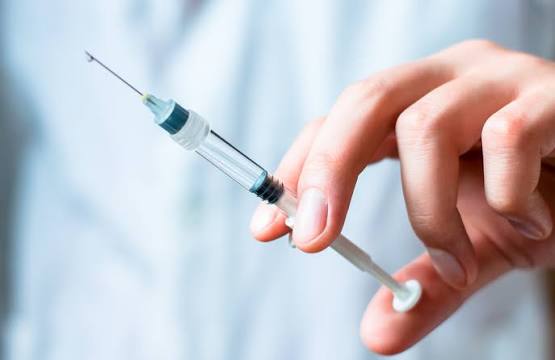
Women who received long-acting cabotegravir to prevent HIV had no HIV acquisitions observed in a real-world tracking study, even though many of them had delayed injection appointments by days or, less often, weeks.
The findings were presented at the 26th International AIDS Conference, held in Rio de Janeiro, Brazil, from July 26 to 31, 2026, as part of a real-world look at how the injectable option performs outside a controlled trial.
The results come from the OPERA cohort, a long-running US tracking project that follows more than 172,000 people living with HIV, over 911,000 people without HIV, and 86,000 people using HIV prevention medication.
Researchers, presented by Laura Armas-Kolostroubis, MD, of the AIDS Healthcare Foundation in Dallas, Texas, followed 315 women who started long-acting cabotegravir, sold as Apretude, between December 2021 and December 2024.
The findings were shared as a conference abstract and oral presentation, not yet a peer-reviewed journal publication.
A drug given as a shot, not a daily pill
Cabotegravir is a long-acting injectable HIV prevention option, unlike the daily pills most people associate with PrEP.
Daily oral PrEP requires people to remember and take a pill regularly. Cabotegravir works differently: after two starter doses given a month apart, it is followed by an injection every two months.
The US Food and Drug Administration approved it in December 2021 for at-risk adults and teenagers weighing at least 35 kilograms, about 77 pounds.
That difference from daily pills is central to the study. Researchers wanted to see how often women missed the clinic visits for their shot, and what happened when they did.
No infections, even with frequent short delays
Over a median follow-up of 13 months, no HIV acquisitions were observed among the 315 women.
Of 1,193 follow-up injections given, 88 percent arrived on time, with a median delay of eight days among the injections that came late.
Close to half the women, 44 percent, had at least one delayed shot at some point.
Most delays were short.
Among women with a delayed injection, 89 percent had delays of less than 31 days and did not require restarting the initial two-dose sequence.
The researchers attributed delays to factors including family responsibilities and work schedules.
Create a free account
Join Joseph Mmwa Media Group and be the first to know the world's biggest health and medical stories as they happen
Not everyone stayed on the drug throughout the study. About 38 percent of women who had received at least one follow-up shot eventually stopped cabotegravir.
Twenty-five percent of those who stopped later resumed injections, after a median of 31 weeks, a pattern the researchers said is consistent with other real-world evidence supporting high effectiveness of cabotegravir for PrEP.
Reaching a different group of women than the pill did
The study also offers a window into who is choosing the injectable option over the daily pill.Among 5,330 women who started any form of HIV prevention medication during the study period, only 6 percent chose cabotegravir.
The rest went with one of two daily pills, Truvada or Descovy, which made up 80 percent and 14 percent of starts respectively.
The women who chose cabotegravir were younger on average, with a median age of 28, and looked different from women on oral options in some ways.
Thirty-two percent of cabotegravir users were transgender, compared with 19 percent of women using the pills.
Thirty-eight percent were covered by Medicaid, the US public health insurance program, compared with just 8 percent among pill users. Forty-three percent of the cabotegravir group were Black.
The demographic differences suggest cabotegravir is being used by a somewhat different population than oral PrEP within this cohort, with a larger share of transgender women and people on public insurance choosing the injectable option.
Why this matters beyond the study itself
The findings offer real-world evidence that no HIV acquisitions occurred despite mostly short delays in injection visits, among the women followed.
That is a meaningful data point, though it does not establish that delayed dosing carries no added risk; the study observed what happened during mostly brief gaps, not a designed comparison of on-time versus delayed dosing.
Long-acting injectable PrEP is also being considered in HIV prevention programmes beyond the United States, partly because it reduces the daily burden of remembering a pill.
Real-world adherence data like this may help inform how such programs are designed, while clinic visits still matter: staying close to the scheduled injection window remains part of how the drug is meant to be used.
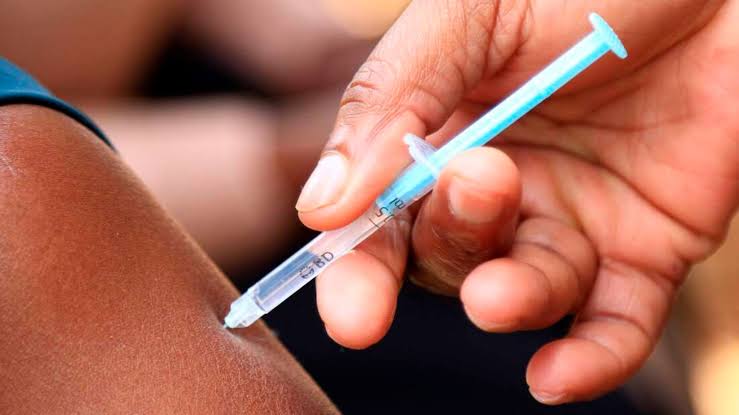
The study has real limits. It included only 315 women in the United States, with a median follow-up of about a year, which is not long enough to rule out rare breakthrough infections over a longer period.
It also relied on real-world clinical records rather than the tighter monitoring of a formal trial, and the researchers said the findings apply specifically to cisgender and transgender women in this cohort rather than all groups who use PrEP.
One more development is worth noting. Long-acting lenacapavir, sold as Yeztugo and dosed twice a year, was not yet approved when this study period ended in December 2024; the FDA approved it in June 2025. Its six-month dosing schedule offers an even less frequent injectable option going forward.
Source
Armas-Kolostroubis L, et al. No HIV Acquisitions Among Women on Cabotegravir Long-Acting Injectable PrEP Despite Mostly Short Injection Delays in the US OPERA Cohort. Oral presentation OAC2805, 26th International AIDS Conference (AIDS 2026), July 30, 2026.
Joseph Mmwa is a health and medical journalist covering breaking health news, medical research, vaccines, infectious diseases, and public health developments around the world.