Personalized mRNA Vaccine Shows Early Promise Against Pancreatic Cancer Recurrence
New six-year follow-up data on an experimental mRNA vaccine for pancreatic cancer show that most patients who responded to it are still alive years later, adding a rare long-term data point to one of medicine's hardest cancers to treat
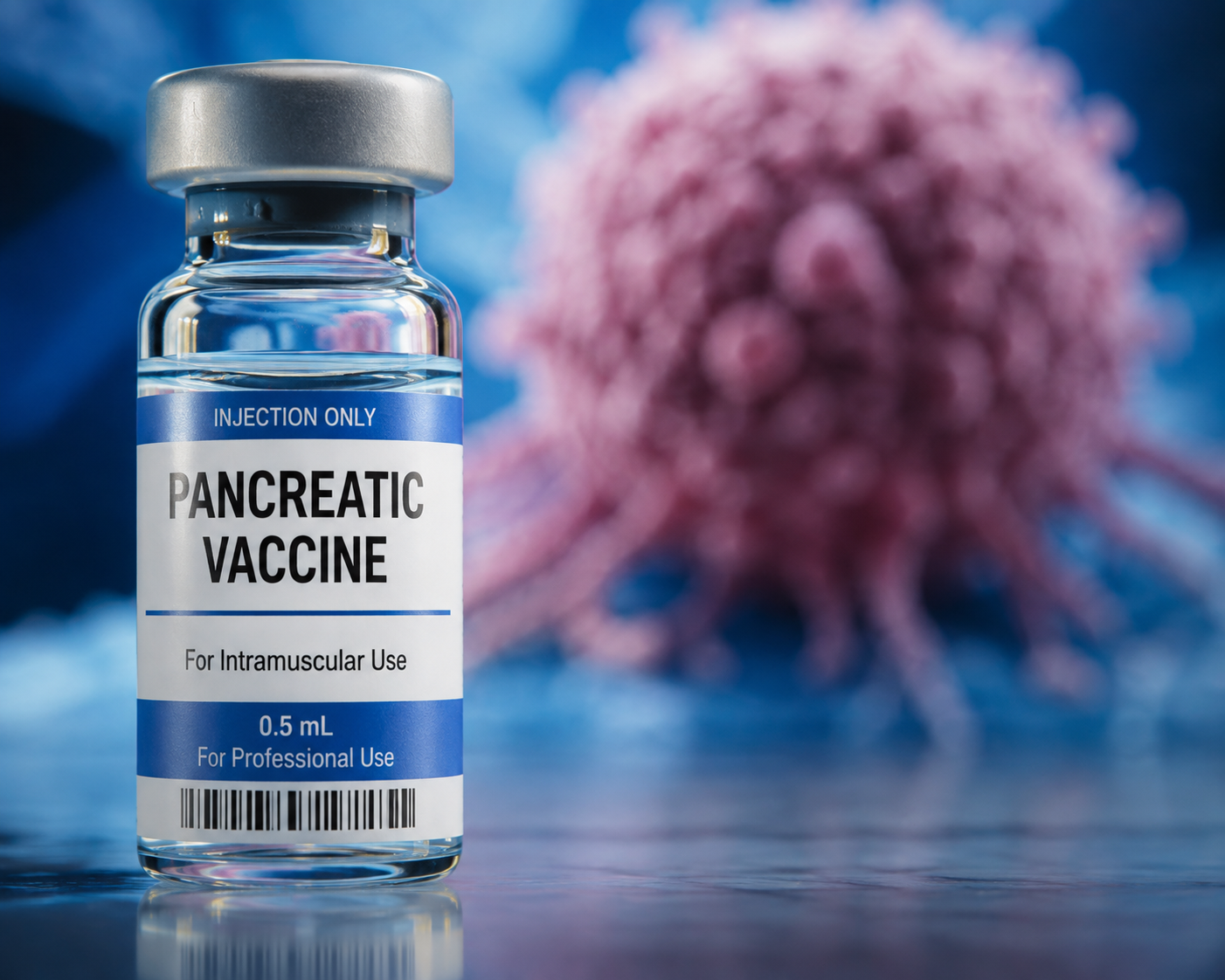
Researchers at Memorial Sloan Kettering Cancer Center have released six-year follow-up results from a small clinical trial testing an experimental cancer vaccine in patients with pancreatic ductal adenocarcinoma, the most common and lethal form of pancreatic cancer.
The vaccine, called autogene cevumeran, is built individually for each patient using the genetic mutations found in their own tumor.
The trial enrolled 16 patients who had their tumors surgically removed. Each received the personalized vaccine alongside chemotherapy and an immunotherapy drug called a checkpoint inhibitor.
The vaccine is being developed by BioNTech and Genentech, a member of the Roche Group.
"These early results show this new immunotherapy approach has the potential to make a difference for one of the deadliest cancers," said Vinod Balachandran, MD, the trial's principal investigator and Director of the Olayan Center for Cancer Vaccines at Memorial Sloan Kettering.
How the Vaccine Teaches the Body to Recognize Cancer
Pancreatic tumors carry mutations that don't exist in normal tissue. Scientists sequence each patient's tumor after surgery, identify those mutations, and use them to design an mRNA vaccine unique to that patient.
The vaccine is designed to stimulate T cells that recognize those specific mutations as foreign, so if any cancer cells remain after surgery, the immune system can find and destroy them before the disease returns.
Half Responded. Most of Them Are Still Alive Years Later
Of the 16 patients, 8 developed a measurable T-cell response to the vaccine.
At a median follow-up of 4.2 years, 7 of those 8 responders, or 87.5%, were still alive. Among the 8 patients whose immune systems did not respond, only 2, or 25%, were still alive, with a median survival of 3.4 years.
Create a free account
Join Joseph Mmwa Media Group and be the first to know the world's biggest health and medical stories as they happen
"The latest data from this small study suggest vaccines can meaningfully stimulate the immune system in some patients with pancreatic cancer, and these patients continue to do well years after vaccination," Balachandran said.
Beyond survival, the researchers found that the T cells triggered by the vaccine did not fade quickly.
In earlier published findings from the same trial, these T cells persisted for years, with some clones potentially lasting decades, functioning as long-term immune memory against the cancer's return.
That durability matters because pancreatic cancer's biggest threat after surgery is recurrence from cells too small to detect on scans.
Why Pancreatic Cancer Is Such a Hard Target
Pancreatic cancer has one of the lowest survival rates of any major cancer.According to the American Cancer Society's Cancer Statistics 2026 report, the five-year survival rate sits at around 13%.
Even after successful surgery, the disease frequently returns. Chemotherapy, radiation and standard immunotherapy have had limited effectiveness against it, which is part of why a treatment showing multi-year survival in responding patients has drawn attention from the cancer research community.
A Small Study, and Real Limits on What It Proves
This remains a phase 1 trial with only 16 patients and no comparison group receiving a placebo, so the results cannot yet prove the vaccine caused the survival difference rather than reflecting other factors about which patients happened to respond.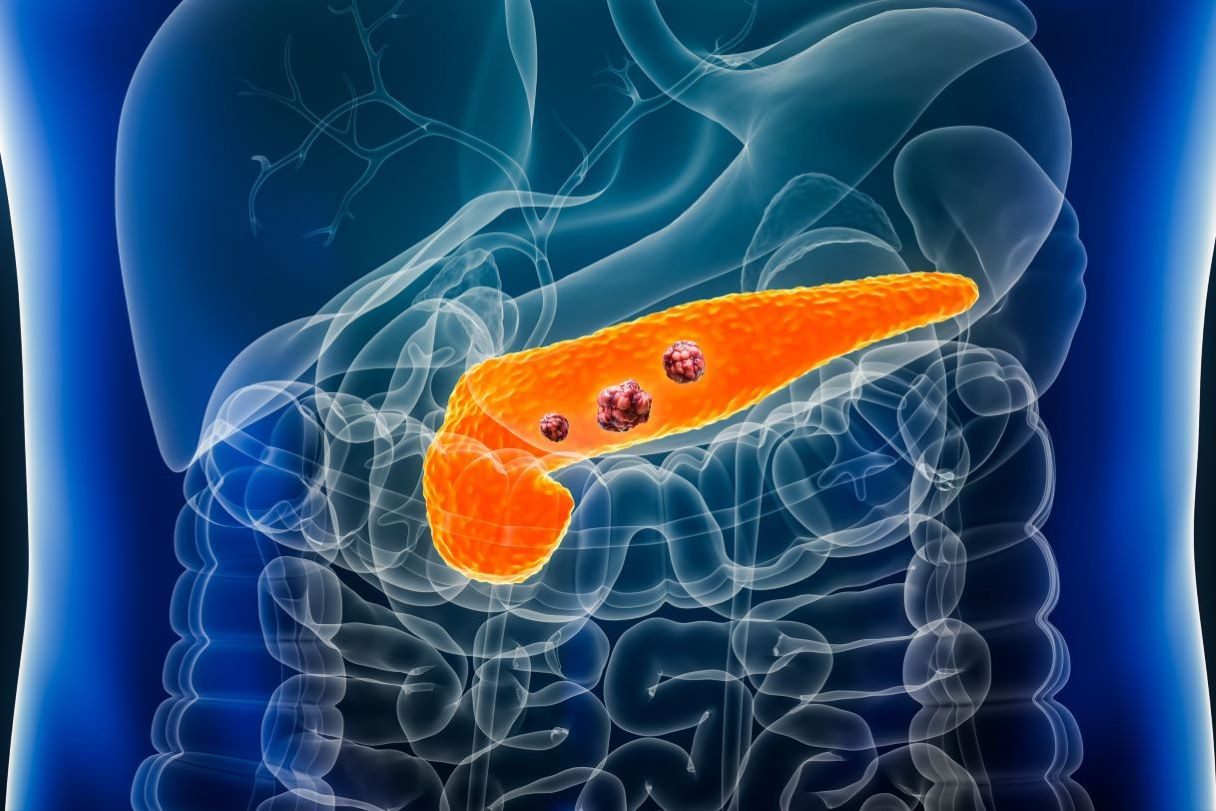
The six-year figures were presented at the 2026 Annual Meeting of the American Association for Cancer Research and have not yet gone through the peer-review process required for publication in a scientific journal, unlike the trial's earlier three-year findings, which were published in Nature. Larger, controlled trials are needed to confirm whether the vaccine itself is driving these outcomes.
What Happens Next, and Why It Matters Beyond the United States
Genentech and BioNTech are now testing autogene cevumeran in a randomized, global phase 2 trial involving a larger group of patients at sites in multiple countries. ,Pancreatic cancer is a growing burden worldwide, and personalized mRNA vaccines like this one currently require sequencing infrastructure and manufacturing capacity that remain limited or unavailable in many lower-income health systems.
Whether an approach like this can eventually be made accessible and affordable outside major cancer centers will matter as much to patients globally as whether it works in the first place.
For now, the six-year data offers cautious encouragement rather than a proven cure, with a larger trial underway that will determine whether these early results hold up at scale.
Source
Balachandran VP, et al. RNA neoantigen vaccines prime long-lived CD8+ T cells in pancreatic cancer. Nature. 2025. doi:10.1038/s41586-024-08508-4; Memorial Sloan Kettering Cancer Center, MSK AACR 2026 Research Roundup, April 2026; data presented at the American Association for Cancer Research (AACR) Annual Meeting, April 2026.*
Joseph Mmwa is a health and medical journalist covering breaking health news, medical research, vaccines, infectious diseases, and public health developments around the world.