Viagra May Help Stop Cancer From Spreading,Major New Study Suggests
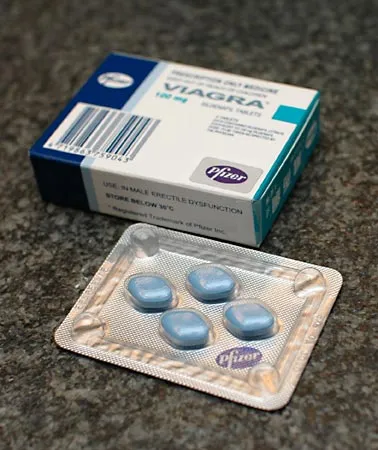
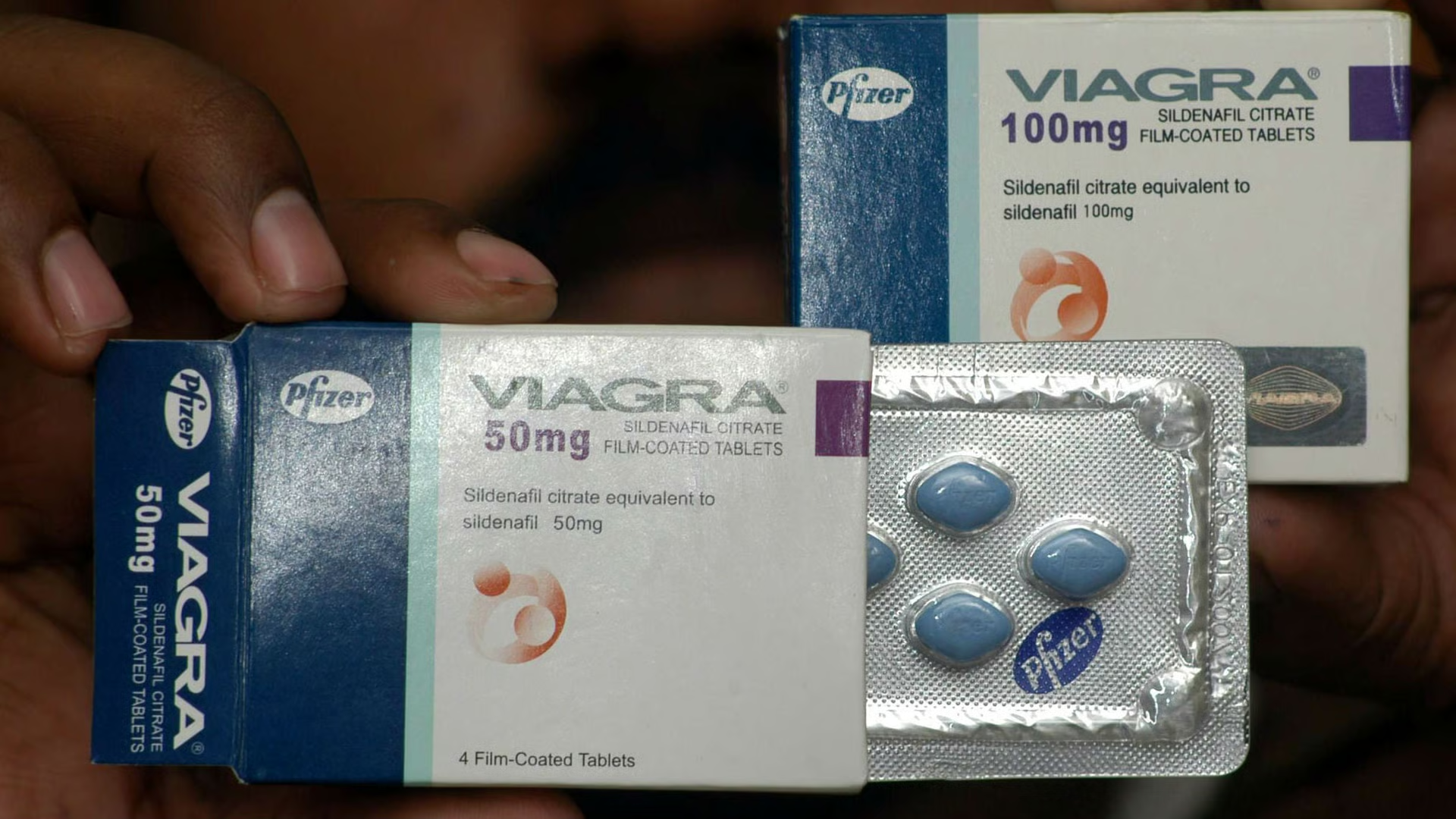
New research has found that sildenafil, the active ingredient in Viagra, blocked cancer cells from reaching their own cholesterol supply and reduced the spread of tumours in mice

A pill designed to treat erectile dysfunction has done something its makers never intended.
In laboratory dishes and in mice, it made cancer cells noticeably worse at doing the one thing that turns a treatable tumour into a fatal illness: moving.
The work comes from the laboratory of Professor Ayelet Erez at the Weizmann Institute of Science in Rehovot, Israel, and was led by Dr. Yarden Ariav.
It was carried out with the laboratory of Professor Eytan Ruppin at the National Cancer Institute in the United States, the innovation division of Clalit Health Services, Israel's largest health provider, and clinicians at Rabin Medical Center.
The findings appeared in the peer reviewed journal Cancer Research, and the Weizmann Institute announced them on 20 July 2026.
A familiar drug pointed at an unfamiliar target
Most cancer drugs are built to shrink or kill tumours.This study asked a different question: whether an existing medicine could make cancer cells less able to travel.
Sildenafil works by blocking an enzyme called phosphodiesterase type 5, or PDE5.
Blocking it raises levels of a signalling molecule called cyclic guanosine monophosphate, known as cGMP. That rise is what relaxes blood vessels and makes the drug effective for erectile dysfunction.
The team reported that the same molecule also binds to a protein called NPC1, which carries cholesterol out of the lysosome, the compartment where cells break down and recycle material.
With NPC1 obstructed, cholesterol accumulated inside the lysosome.
The cancer cells still contained cholesterol but could not draw on it.
That matters because cholesterol is a building material. Cells need it to construct and reshape their outer membranes, and a cancer cell breaking away from a tumour and pushing through tissue needs a great deal of it.
According to the published findings, the shortage disrupted both the cell membrane structures involved in signalling and the energy production machinery inside the cell, leaving the cells less able to migrate and to establish themselves in new organs.
Professor Erez, who is a practising physician as well as dean of the Weizmann Institute's Miriam and Aaron Gutwirth Medical School, said the team had "uncovered a new biological pathway" linking a well known signalling molecule to how cells handle cholesterol.
What happened in the laboratory and in animals
The researchers tested sildenafil on cultures of human cancer cells and on mouse cancer models.Treated cells had more difficulty surviving and migrating, and cancer cells proved more vulnerable than healthy ones, which the researchers attributed to lower activity in the cancer cells' own lysosomal machinery.
In the animal work, the pattern was consistent and specific. Growth of the original tumour was largely unchanged, while the amount of cancer that spread to distant sites fell.
Create a free account
Join Joseph Mmwa Media Group and be the first to know the world's biggest health and medical stories as they happen
That separation is the central claim of the paper: the drug appears to act on the ability to spread rather than on the ability to grow.
What the patient records showed, and what they did not
Alongside the laboratory work, the team analysed anonymised records covering roughly five million members of Clalit Health Services over 20 years, including an observational study of about 40,000 men diagnosed with cancer.Prescriptions filled in the six months before diagnosis were compared against five year survival.
Men who had been taking sildenafil before diagnosis survived at higher rates than men who had not. Survival was highest among those who had taken both sildenafil and statins, and the researchers described the added benefit as dose dependent.
This part of the study is observational, and it shows a pattern rather than a cause.
The comparison was matched for factors including body mass index, income level, other health conditions and cancer type, but records of this kind do not capture cancer stage or the treatment a patient received, and a filled prescription does not confirm that a medicine was taken.
Men prescribed sildenafil may also be healthier or in closer contact with the health system than men who are not, which could produce the same survival gap on its own.
Specific percentage figures have circulated in international coverage, but they vary between outlets and are not stated in the institutional announcement, so they are not reproduced here.
Why statins entered the picture
When cholesterol became stranded in the lysosome, the cancer cells attempted to compensate by manufacturing more of it. Statins block exactly that process.Adding the statin lovastatin to sildenafil reduced cancer cell movement and colony growth more than either drug alone in laboratory testing, cutting supply from two directions at once.
The effect was not uniform across cancer types, an early indication that any future strategy would need to identify which cancers respond.
The problem this research is aiming at
Metastatic disease is responsible for most cancer deaths, although the proportion varies by cancer type. Surgery, radiotherapy and most drug regimens work best against a tumour that has stayed in one place.Once cancer has scattered to lungs, liver, bone or brain, the intent of treatment usually shifts from cure to control.
That is why an approach that does not attempt to kill cancer at all, but simply to keep it stationary, is being pursued so widely.
What a cheap generic could mean beyond wealthy hospitals
Sildenafil is off patent, manufactured generically in large volumes, taken by mouth and supported by nearly three decades of clinical use at approved doses for approved conditions.Statins are similarly cheap and widely produced. Availability, affordability and inclusion on national essential medicines lists still vary considerably from country to country.
Nearly every recent advance in cancer care, from immunotherapy to cell based treatments, has arrived at a price that puts it out of reach for most patients in low and middle income countries, where cancer is often diagnosed late and where metastatic disease is therefore common at first presentation.
Repurposing an existing generic is one of the few research routes that could realistically reach those health systems without new manufacturing capacity or specialist infrastructure.

That prospect is exactly why the evidence needs to be held to a high standard rather than a hopeful one.
Where the evidence stops
This is preclinical research combined with a retrospective database analysis. No cancer patient has been given sildenafil in a controlled trial to test whether it slows metastasis. The human data covered men only, and drug safety established at approved doses for erectile dysfunction does not automatically extend to whatever dose or duration cancer use might require.Randomised clinical trials would be needed to establish whether the effect appears in patients, which cancers respond, at what dose, and whether the combination with statins holds outside the laboratory.
Sildenafil also carries known contraindications, including a dangerous drop in blood pressure when taken with nitrate medicines used for heart disease, which makes self directed use both unsafe and unsupported.
For now, sildenafil remains an erectile dysfunction treatment with a promising laboratory finding attached to it, and patients should make no change to any medication without consulting the doctor managing their care.
Source
Ariav Y, Hayek S, Cantore T, et al. PDE5a inhibition restricts cancer metastasis by disrupting NPC1-mediated cholesterol trafficking through a non-canonical cGMP-dependent pathway. Cancer Res. 2026. Epub ahead of print. doi:10.1158/0008-5472.CAN-26-1818
Joseph Mmwa is a health and medical journalist covering breaking health news, medical research, vaccines, infectious diseases, and public health developments around the world.