Driven Out of South Africa by Xenophobia, Zimbabweans Arrive Home With Their HIV Treatment Interrupted
Zimbabweans fleeing xenophobia in South Africa are facing delays in restarting long-term HIV treatment after returning home, with some receiving only a short supply of antiretroviral medicine at the border
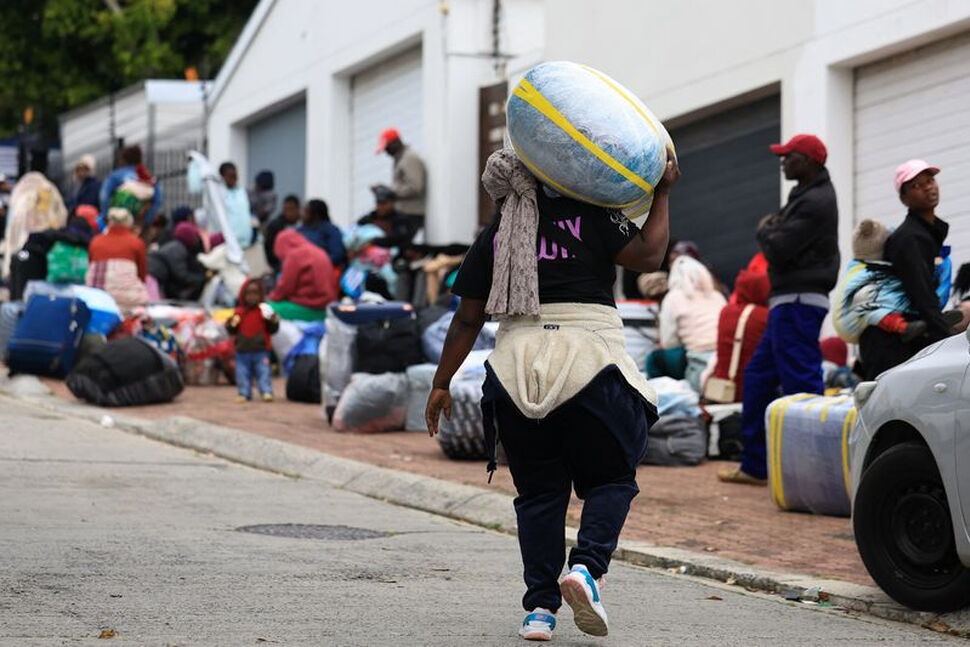
A bricklayer who had spent twenty years working in South Africa left the country because anti-migrant groups had blocked him from the clinic that gave him his HIV pills.
He was handed medicine at the Zimbabwean border. He died soon after reaching the country he was born in.
That man was Renious Gumbi, 49, from Mberengwa. His story was reported by Health Policy Watch, the Geneva-based global health news publication, in a feature published on 5 August 2026 by its correspondent Jeffrey Moyo.
His wife told the publication he had been unable to collect his medicine since June. The report does not establish a medical cause of death.
He is one of tens of thousands of Zimbabweans who have crossed home since anti-migrant protests swept South Africa on 30 June. Many arrive having already stopped their treatment. Getting back on it is proving slower than getting home.
Driven away from the clinic queue
For years, Gumbi collected free antiretroviral medicine, known as ARVs, from a clinic near his home in South Africa.ARVs do not cure HIV.
They hold the virus down, protect the immune system, and prevent sexual transmission when a person keeps the virus fully suppressed. That protection depends on taking the pills without long breaks.
Health Policy Watch reported that anti-immigrant groups have blockaded clinics and hospitals for months, refusing entry to people who are not South African citizens. For people living with HIV, that turned a routine monthly collection into a reason to leave the country.
The blockades have already been ruled unlawful.
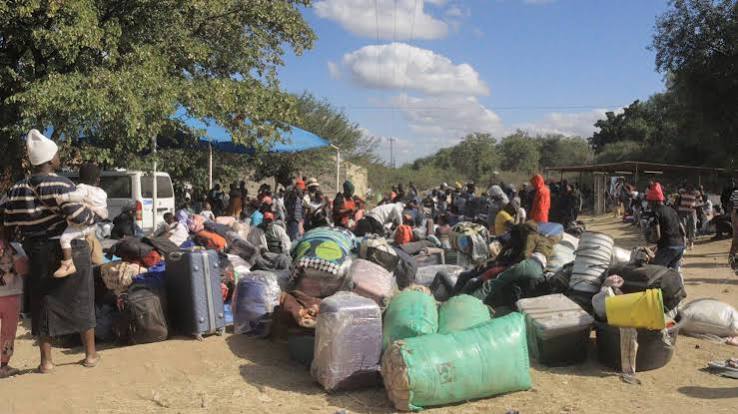
On 4 November 2025, Judge Leicester Adams of the Gauteng High Court in Johannesburg found Operation Dudula's conduct at health facilities xenophobic and unlawful and ordered the group to stop.
The case was brought by the Socio-Economic Rights Institute of South Africa for Kopanang Africa Against Xenophobia and other organisations. Operation Dudula said it would appeal. In December 2025, a further order instructed police and health authorities to keep two Johannesburg clinics, in Yeoville and Rosettenville, accessible.
Health Policy Watch reports that access problems continued regardless.
The road to Beitbridge
South Africa's government says 68,138 foreign nationals were processed between 14 June and 24 July 2026, most of them at a temporary centre outside the border town of Musina.Justice Minister Mmamoloko Kubayi said the Border Management Authority handled 72,906 repatriations through all ports of entry between 7 June and 14 July, a figure that includes people processed at Musina.
The government announced that the Musina centre would be scaled down from a capacity of 20,000 to 1,500 from 1 August.
Zimbabwe's own figures, cited by Health Policy Watch, show 21,000 citizens repatriated with government help by early July and another 57,000 who paid their own way. Separately, media reports collected by Médecins Sans Frontières (MSF) put total returns to Zimbabwe at around 100,000, with 34,000 to Malawi.
These are different counts from different bodies and should not be added together.
MSF, which runs a clinic beside the Musina centre and works in Beitbridge on the Zimbabwean side, said its teams were meeting patients who had gone months without HIV and tuberculosis medicine after being turned away in South Africa, which raises the risk of treatment failure and, for some HIV regimens, drug resistance.
Caroline Masunda of MSF said the scale of displacement matched what the organisation normally sees in "hot conflict areas" rather than in stable democracies.
Create a free account
Join Joseph Mmwa Media Group and be the first to know the world's biggest health and medical stories as they happen
Five days of pills, then a wait
Zimbabwe is not sending returnees away empty-handed.Health Minister Douglas Mombeshora told the National Assembly in July that health workers had been deployed at ports of entry, that more than 99,000 returnees had been screened for chronic conditions including HIV, diabetes and high blood pressure, and that emergency clinics at border posts, including one at the Beitbridge Reception Centre, were issuing up to five days of ARVs before people travelled on to their home districts.
Restarting properly is the harder part.
Mombeshora said returnees cannot be enrolled in long-term treatment at the border because baseline tests are needed first, including a viral load test, which measures how much virus is in the blood, and those tests are not available at ports of entry at present.
He gave a second reason to NewsDay Zimbabwe: the two countries do not use identical HIV drug combinations. "We have to take them on board with our own regimens here," he said, adding that this requires monitoring and a series of tests.
Five days of medicine covers the journey. It does not cover the wait that follows.
Health Policy Watch reported the case of Gilbert Muzokomba, 58, who was barred from a clinic in Gauteng, returned home hoping to restart quickly, and said he was placed on a waiting list while his health deteriorated.
Nelisiwe Mugodhi, 23, who was born with HIV in South Africa, said her treatment resumed only after a long delay, during which she developed diarrhoea, headaches, swollen feet and a persistent cough.
Kensington Marufu, a lawyer and HIV activist who has lived with the virus since childhood, told Health Policy Watch that some returnees stay silent about their status and do not know where to seek care after years away, which he expects to make sticking to treatment harder.
A record that was hard won
UNAIDS estimates that about 1.3 million people in Zimbabwe are living with HIV.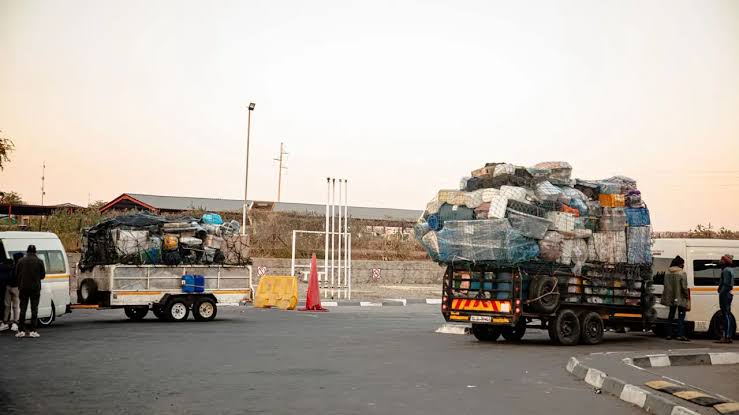
The country has reached the UNAIDS 95-95-95 targets among adults, meaning 95 percent of adults with HIV know their status, 95 percent of those diagnosed are on treatment, and 95 percent of those on treatment have the virus suppressed.
Counting adults and children together, 1,230,298 of an estimated 1,295,675 people living with HIV were on treatment at the end of 2025, according to the United Nations Development Programme and the Global Fund.
That record was built with outside money. Health Policy Watch reports that talks between the United States and Zimbabwe on future health funding broke down in February, jeopardising services relied on by about 1.2 million people.
A modelling study published in the Journal of Acquired Immune Deficiency Syndromes projects roughly 75,000 new HIV infections in Zimbabwe in a year if support from the President's Emergency Plan for AIDS Relief, known as PEPFAR, is withdrawn completely.
That figure is a projection under one funding scenario, not a count of anything that has happened. What is already countable is smaller and closer: people arriving at Beitbridge with a five-day supply in hand and no clinic slot yet.
The gap between two systems
South Africa's Constitution recognises everyone's right of access to health care services, and its courts have applied that to migrants. Whether clinic doors stayed open is a separate question, and Health Policy Watch reports that they often did not.Zimbabwe can screen and can bridge a few days.
Neither country has a working way to hand a patient across with their treatment history intact, and southern Africa moves a great many workers across that border.
Roughly two to three million Zimbabweans are estimated to live in South Africa, though the figure is uncertain because many crossed irregularly.
MSF has called on governments in the region to strengthen coordination so that displaced patients keep their care.
For people who fled with nothing but a few days of pills, the practical test is narrow and measurable: how many days pass between the border clinic and the first full prescription in their home district.
Source
Health Policy Watch, "Zimbabweans Fleeing Xenophobia in South Africa Battle to Get HIV Medicine Back Home," 5 August 2026, reporting by Jeffrey Moyo.
Joseph Mmwa is a health and medical journalist covering breaking health news, medical research, vaccines, infectious diseases, and public health developments around the world.