.jpeg&w=3840&q=75)
Australia to End Free COVID-19 Vaccines for Most People From October 1
The shift moves COVID-19 vaccination off its own emergency program and into the National Immunisation Program, where it will now sit alongside seasonal flu and RSV shots
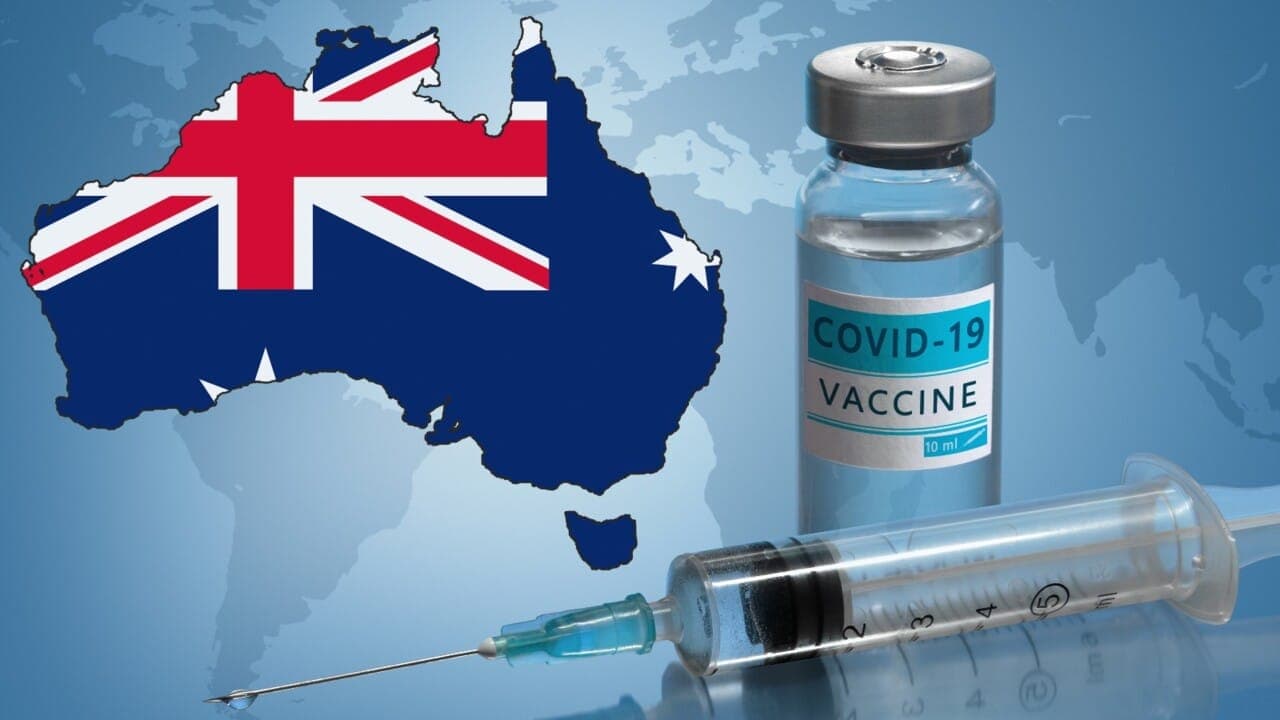
Photo:The Daily Telegraph
Australia is ending free COVID-19 vaccines for most adults from October 1, closing out more than five years of universal free access under the National COVID-19 Vaccine Program, according to a report by ABC News.
From that date, free doses will be reserved for adults 75 and over, adults 65 to 74, Aboriginal and Torres Strait Islander people aged 50 to 74, and adults 18 to 64 with severely weakened immune systems, such as people on kidney dialysis or living with leukaemia.
Everyone outside those groups will need to pay for the shot, though the exact price is not yet set.
The uncertainty over cost comes down to ongoing talks between the government and vaccine manufacturers over the wholesale price for Australia.
"Normally we go from knowing what a private vaccination cost is going to be, and then it becomes free," said Julianna Neill, a community pharmacist and vaccination ambassador for the Pharmaceutical Society of Australia, in comments reported by ABC News.
"We've never really been in this situation before." Ms Neill said the price may not be confirmed until the last week of September, but expects it will cost "significantly more" than the usual $25 to $35 Australians pay for their annual flu jab.
The shift moves COVID-19 vaccination off its own emergency program and into the National Immunisation Program, where it will now sit alongside seasonal flu and RSV shots, a spokesperson for the Department of Health, Disability and Ageing said, describing it as a move "from an emergency pandemic response to a long-term, routine program focused on protecting people at highest risk of severe illness."
Create a free account
Join Joseph Mmwa and be the first to know the world's biggest health and medical stories as they happen
Jodie McVernon, director of epidemiology at the Doherty Institute, said bundling COVID-19 with other routine vaccines could actually help uptake among older and high-risk Australians who are already coming in for other jabs, calling it a way to make the shot "a normal, regular seasonal event.
" That reasoning matters because coverage has been slipping: so far this year, about 1.7 million people in Australia (roughly 6 per cent of the population )have had a COVID-19 vaccine, compared with 8.9 million who got a flu shot, and Professor McVernon noted in comments to ABC news that fewer than 40 per cent of people over 75 are currently vaccinated, even though that age group accounts for more COVID-19 deaths than flu deaths.
Whether the new fee pushes those numbers lower, and what that means for case counts, is harder to answer.
Rod Pearce, chairman of the Immunisation Coalition, said many COVID-19 cases already go unreported, so the true scale of infection is likely higher than official figures show, and a drop in vaccination could mean more of the virus circulating.
Still, Professor McVernon pointed to falling hospitalisations and deaths over time as a sign the disease's overall health burden has eased as more of the population has built immunity through past infection and vaccination.
Anyone wanting a COVID-19 booster before the free scheme narrows on October 1 was advised to contact their GP, pharmacist, or local clinic in the meantime.
Originally reported by ABC News — Lauren Roberts. View original source

Related Stories
WHO Approves New RSV Vaccine Vial to Protect More Babies Globally
Measles Eradication Impossible Due to Vaccine Hesitancy in Wealthy Nations, Bill Gates Says
New Generation of TB Vaccines Could Save 7.3 Million Lives by 2050, Gavi Says
Japan Sets Record as People Aged 100 Surpass 100,000
Comments
Be the first to comment.