.jpeg&w=3840&q=75)
WHO Approves New RSV Vaccine Vial to Protect More Babies Globally
The new vial holds several doses instead of just one, which should make the vaccine cheaper and easier for countries to give out to many pregnant women at once
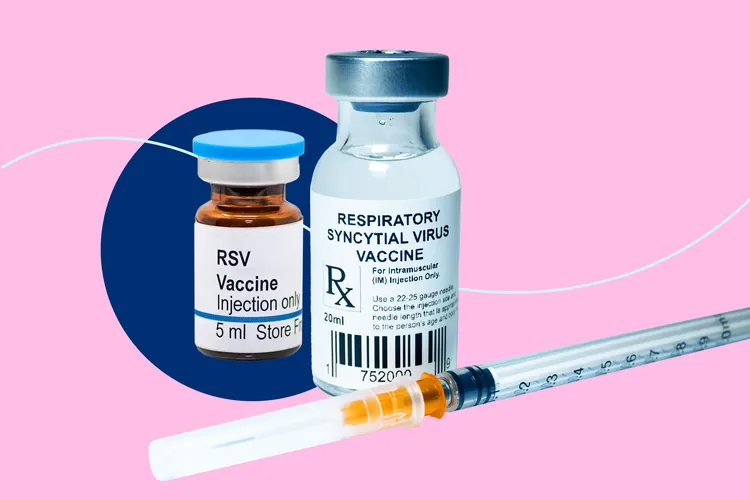
Photo:Getty Images
The World Health Organization(WHO) has given the green light to a new type of vial for the vaccine that protects babies from RSV, a common illness that attacks the lungs and airways.
The new vial holds several doses instead of just one, which should make the vaccine cheaper and easier for countries to give out to many pregnant women at once.
What RSV Actually Is
RSV stands for respiratory syncytial virus.
It is a very common germ that spreads easily, much like a cold or the flu, and it mostly causes mild sniffles in older children and adults.
But in newborns and very young babies, whose lungs and airways are still tiny and not fully developed, RSV can turn serious fast,according to WHO.
It can fill the small airways with mucus, making it hard for a baby to breathe, and in the worst cases it leads to pneumonia, a dangerous lung infection.
This is why doctors and health workers around the world treat RSV as one of the biggest threats to newborns, even though most adults barely notice when they catch it.
Why This New Vial Matters
WHO said on 9 September 2026 that the new multi-dose vial should make the vaccine cheaper and easier for countries to give out to many pregnant women at once, instead of needing a separate vial for each person.
This builds on WHO's earlier approval of the vaccine back in March 2025, and comes after Gavi, the group that helps pay for vaccines in poorer countries, agreed in July 2025 to start giving it out more widely.
With this new, cheaper vial, countries that could not afford large vaccination drives before now have a more realistic path to protecting many more babies at once.
How Big the Problem Is
RSV puts more than 3.6 million children under five in hospital every year around the world, and it kills close to 100,000 of them, WHO figures show.
Create a free account
Join Joseph Mmwa and be the first to know the world's biggest health and medical stories as they happen
Almost half of those deaths are babies younger than six months old, which is exactly who this vaccine is meant to protect.
Most of these deaths, 97%, happen in poorer countries, where many children die at home before they even reach a hospital, often because the nearest clinic is too far away or too poorly equipped to help in time.
How the Vaccine Works
The vaccine works by being given to pregnant women in their last few months of pregnancy, so the mother's body builds protection that passes to her baby before it's even born.
This means the baby is already shielded from RSV in its first few months of life, the exact window when the illness is most dangerous, without needing a separate injection after birth.
The vaccine was developed with support from the Gates Foundation, a charity that funds health projects around the world to help make vaccines like this one reach more people.
Babies Have Another Option Too
Giving the vaccine to the mother is not the only way to protect a newborn.
WHO also allows countries to use a different product given directly to the baby soon after birth, called a monoclonal antibody, which works by giving the infant ready-made protection instead of waiting for it to come from the mother.
WHO says countries should pick one option or the other for a mother and her baby, not both, and either path leads to the same goal: keeping the baby protected through its most vulnerable early months.
What We Still Don't Know
This announcement does not say which countries will get the new vial first, when it will start reaching clinics, or how much it will cost in different places.
Those details will likely come later from Gavi or from individual country health ministries as they plan their own rollout.
Originally reported by World Health Organization — Departmental Update[9/9/2026]. View original source
Related Stories
Australia to End Free COVID-19 Vaccines for Most People From October 1
Measles Eradication Impossible Due to Vaccine Hesitancy in Wealthy Nations, Bill Gates Says
New Generation of TB Vaccines Could Save 7.3 Million Lives by 2050, Gavi Says
Japan Sets Record as People Aged 100 Surpass 100,000
Comments
Be the first to comment.