.jpeg)
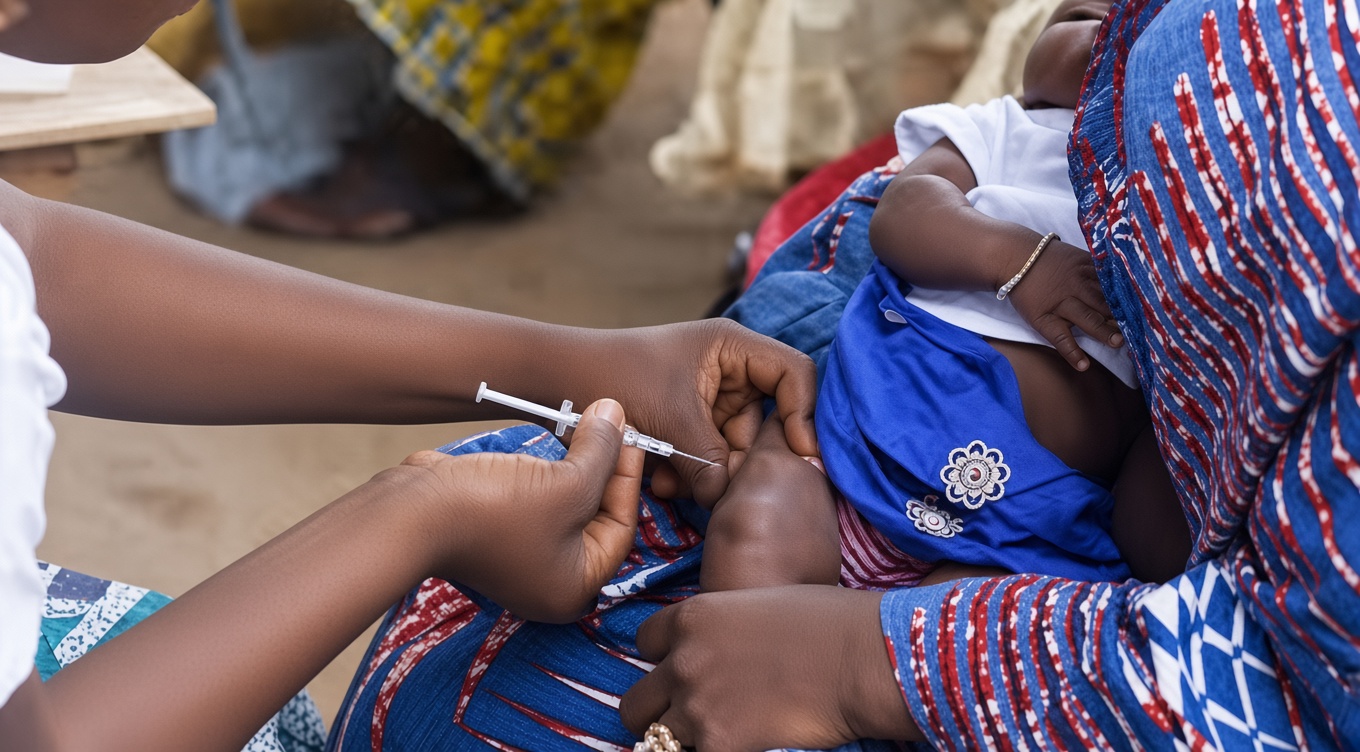
A Danish university has approved a US-funded hepatitis B vaccine trial in Guinea-Bissau, a West African country, even though critics say its design is unethical.
This is university approval only.
Guinea-Bissau's government has not yet given final authorisation, and the trial cannot start without it.
The University of Southern Denmark confirmed the approval to CIDRAP, the infectious disease news service at the University of Minnesota.
Liz Szabo reported that Jakob Grauslund, dean of the university's faculty of health sciences, gave the go-ahead on 7 October, based on "an independent ethical assessment" by its research ethics committee.
What the trial plans to do
According to CIDRAP, the US Centers for Disease Control and Prevention (CDC), America's main public health agency, awarded $1.6 million for the trial.
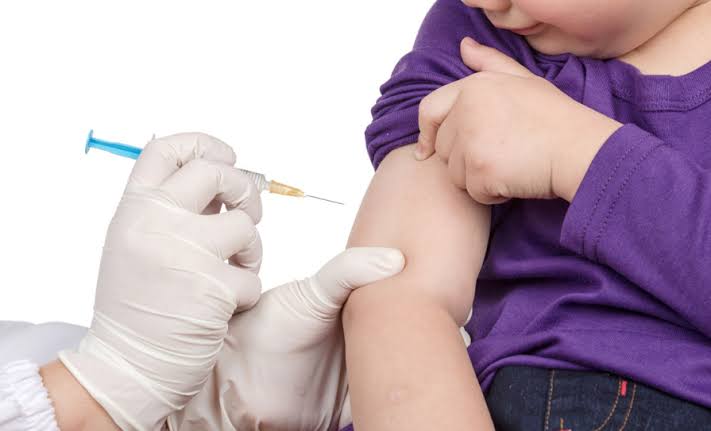
It plans to enrol 14,000 newborns and give the hepatitis B vaccine at birth to only half of them.
The other half would not get the birth dose.
CIDRAP's earlier coverage says they would get their first dose at six weeks old, which is current routine in Guinea-Bissau.
Why the birth dose matters
Hepatitis B is a virus that can cause life-threatening liver disease.
The World Health Organization (WHO) says the birth dose has a proven safety record and prevents 70 to 95% of cases where the virus would otherwise pass from mother to baby.
WHO estimates that more than 12% of adults in Guinea-Bissau, or about 12 in every 100, were living with chronic hepatitis B in 2022.
Why critics object
The news service said health groups and political leaders condemned the design as unethical. WHO's 13 February statement argues that withholding the vaccine is unethical.
Science reported that Guinea-Bissau's public health minister told a press conference on 22 January that the trial was suspended pending review.
The Danish university also placed it on hold for several months, CIDRAP said.