Joseph Mmwa LogoJOSEPH MMWA

If it's health, it's here

Kenya

Kenya to Locally Manufacture New Monthly HIV Prevention Pill

The pill could offer people at risk of HIV infection a once-monthly pill for PrEP, potentially adding a more convenient prevention option to existing choices.

4 min readAfricaKenya
Kenya manufacture HIV pill

Kenya is preparing to manufacture alimatravir, an HIV prevention pill taken once a month that is still being tested and has not been approved, President William Ruto said, The Standard's Mike Kihaki reported.

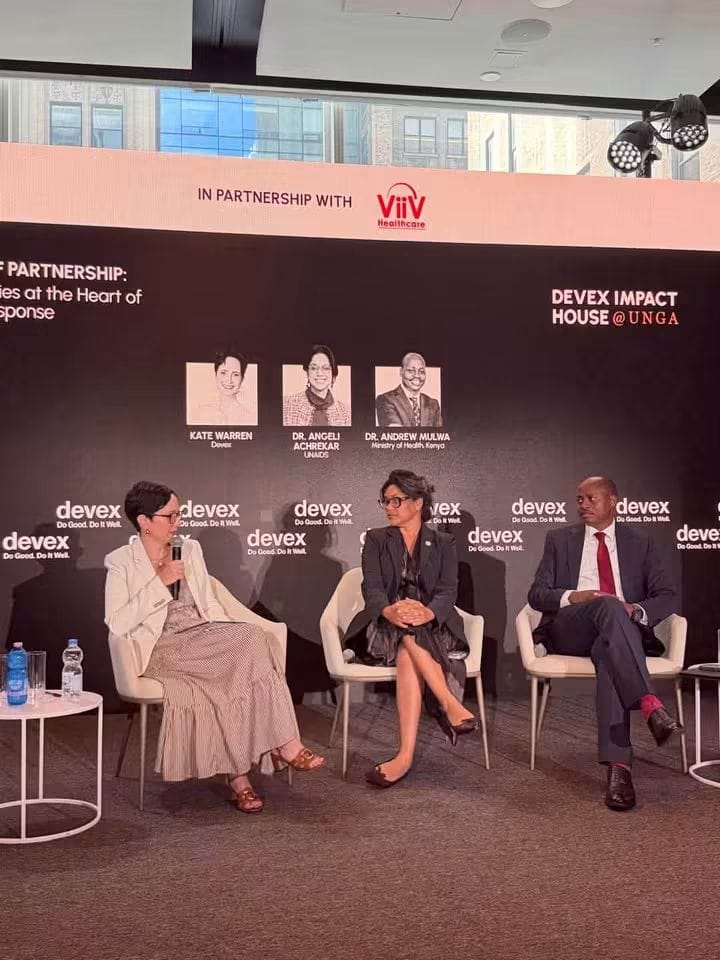
Ruto's remarks were delivered by Health Cabinet Secretary Aden Duale at a side event during the 81st UN General Assembly in New York.

Merck, the drug's developer, has separately confirmed that a Kenyan company, Universal Corporation Limited (UCL), has signed an agreement allowing it to make and supply copies of the pill, known as generics, if the pill is approved.

Any Kenyan production would depend on the pill passing its Phase 3 trials, the large studies that test whether a medicine works and is safe, on regulators approving it, and on UCL completing its own development and regulatory requirements.

A pill once a month

Merck is developing alimatravir as PrEP, short for pre-exposure prophylaxis, a medicine taken by people who do not have HIV to lower the chance of catching it.

Merck said current options include daily pills and long-acting injections, alongside other prevention tools.

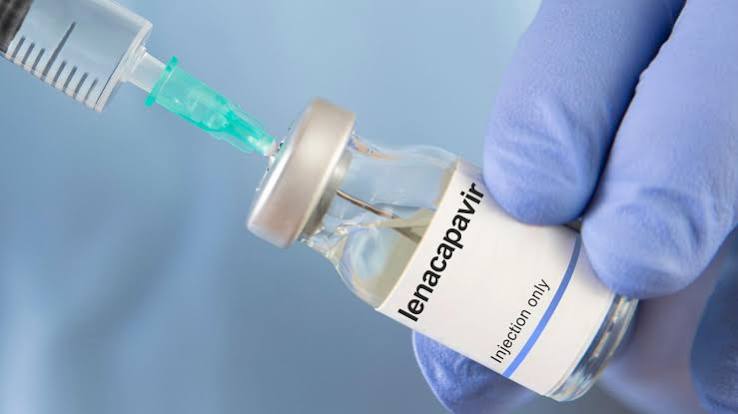
Kenya launched a long-acting injection, lenacapavir, taken twice a year, on 26 February 2026 at Riruta Health Centre in Nairobi.

The Ministry of Health said it is free at selected public facilities in priority counties.

At the launch, Duale said 1.4 million Kenyans are living with HIV.

What the licences mean, and what they do not

On 24 July 2026, Merck, known as MSD outside the US and Canada, announced that it had signed seven voluntary licensing agreements with generic manufacturers.

A licence is permission from the company that owns a drug to let other firms make it.

These are non-exclusive, so Merck can license others too, and royalty-free, so the makers do not pay Merck a fee on each sale.

They cover 129 low- and middle-income countries.

Three of the seven companies are in sub-Saharan Africa: UCL Kenya, Quality Chemical Industries in Uganda and Aspen Pharmacare in South Africa.

The other four are Aurobindo, Cipla, Emcure and Viatris in India.

Merck said it was the first time sub-Saharan African generic manufacturers were included in initial voluntary licences for an HIV product, and that signing licences before a Phase 3 trial finished enrolling was a first in HIV prevention.

A licence is not an approval.

Merck's release says it expects to supply the pill first, if approved, while the licensed makers complete development and win their own regulatory approvals.

Kenya is also a testing ground

One of the two Phase 3 trials, EXPrESSIVE-10, is testing alimatravir in adolescent girls and young women in Kenya, South Africa and Uganda, with financial support from the Gates Foundation, according to Merck.

The other, EXPrESSIVE-11, is testing it among people with a higher chance of exposure to HIV in 16 countries. Merck said both were enrolling as of its 24 July release.

What is known so far, and what is not

Merck reported results from a Phase 2 study of 350 adults aged 18 to 65 with a low likelihood of HIV exposure.

SUPPORT INDEPENDENT JOURNALISM

Help keep health journalism independent

I report and explain important health and medical stories independently, with accuracy, context and African relevance. Your support helps me continue this work.

Participants received alimatravir at one of three doses or a placebo, a pill with no medicine in it, once a month for six months.

Merck said health problems reported during the study occurred at similar rates in the alimatravir and placebo groups, and that laboratory tests showed no clinically meaningful changes.

Merck described the study as examining safety and pharmacokinetics, meaning how the drug moves through the body.

Whether the pill works to prevent HIV is what the two Phase 3 trials are evaluating, Merck said. Its 24 July release reported no Phase 3 efficacy results.

The Phase 2 results come from Merck's own announcement, and Merck develops the drug.

Help for the factories

Unitaid, a global health organisation hosted by the WHO, announced on 24 July that UCL, Quality Chemical Industries and Aspen Pharmacare would receive support to strengthen their manufacturing capabilities.

The support is delivered through MedSuRe Africa, a programme run by the United States Pharmacopeia.

Jean Kaseya, Director General of the Africa Centres for Disease Control and Prevention, said in Merck's 24 July release that Africa "must continue to expand its role across the health innovation value chain."

UCL has made HIV medicines before.

In 2023 it became the first African manufacturer to receive WHO prequalification to produce TLD, a three-drug HIV treatment, UN News reported.

Prequalification means the WHO has checked that a specific medicine meets its quality standards.

Why Kenya wants local production

Kenya imports an estimated 70 to 80 percent of the pharmaceuticals it consumes, roughly seven or eight of every ten, the WHO said in a 16 July 2026 news release.

The same release said Kenya has more than 37 licensed medicine manufacturers, which use less than half of their installed production capacity.

Ruto said Africa carries about a quarter of the world's disease burden but makes less than six percent of its medical supplies and about one percent of its vaccines, The Standard reported.

Not everyone is satisfied

Make Medicines Affordable, a coalition of civil society and community-based organisations, said in a 28 July 2026 statement at the 26th International AIDS Conference in Rio de Janeiro that Merck's licence leaves out some countries with high rates of new infections, including Brazil.

The coalition said those countries would not have access to generic alimatravir under the agreement.

Merck's release says the 129 countries account for a substantial majority of new HIV diagnoses globally.

The statement came four days after the release, and no Merck response to it was found.

Comments

Be the first to comment.

Related Stories

Newsletter

The MMWA Briefing

Stay ahead of the health news shaping Kenya, Africa and the world. Get the week's most important developments, research and public-health stories — explained clearly and delivered to your inbox.