Joseph Mmwa LogoJOSEPH MMWA

If it's health, it's here

Kenya

Kenya Turns to AI-powered X-rays to Detect Tuberculosis Earlier

The system reads a chest scan and flags possible TB within seconds, work that used to depend on a radiologist reading the image by eye, which often took longer, especially where few specialists are available

2 min readAfricaKenya
AI powered x rays kenya

Photo:X/Ministry of Health ,Kenya

Kenya has shown off a chest X-ray system that uses artificial intelligence to catch tuberculosis in people who show no obvious signs of the disease, a gap that has long let TB spread unnoticed.

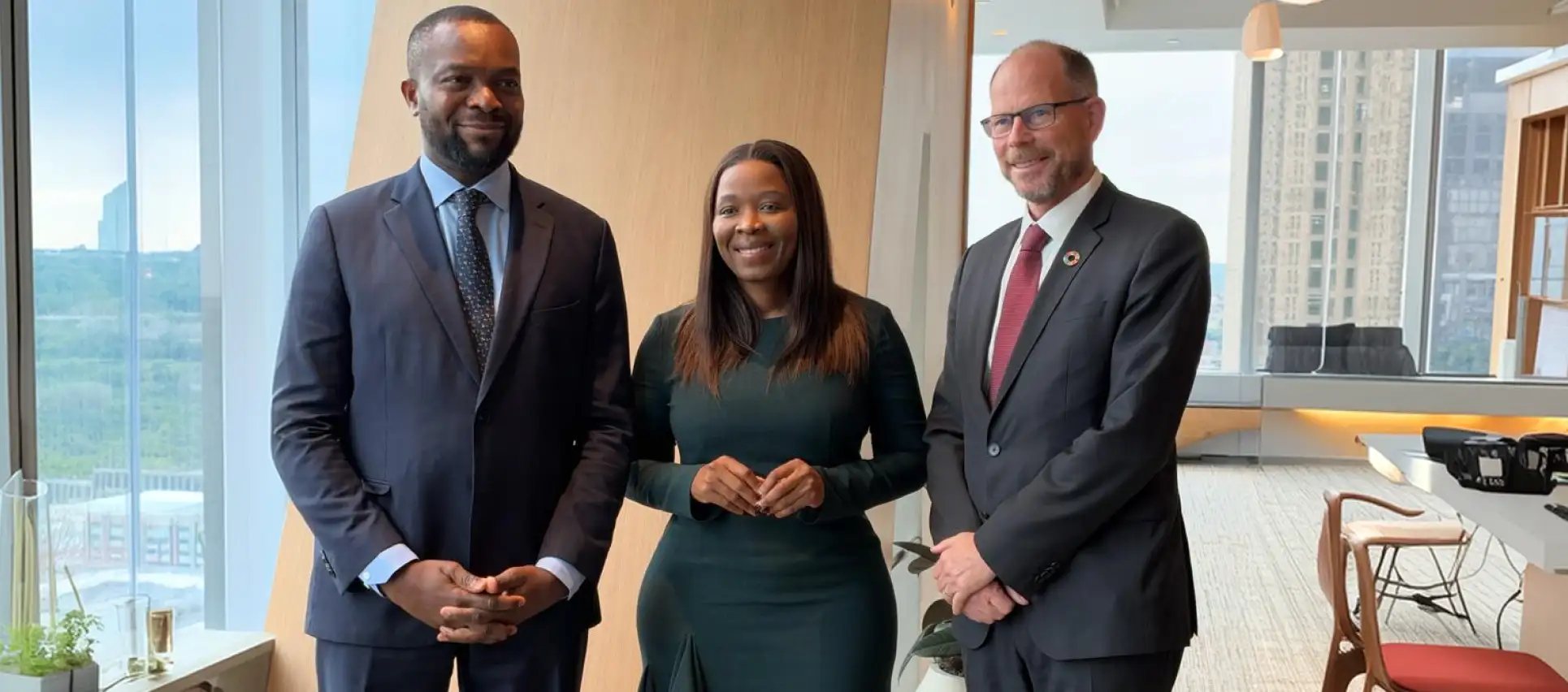
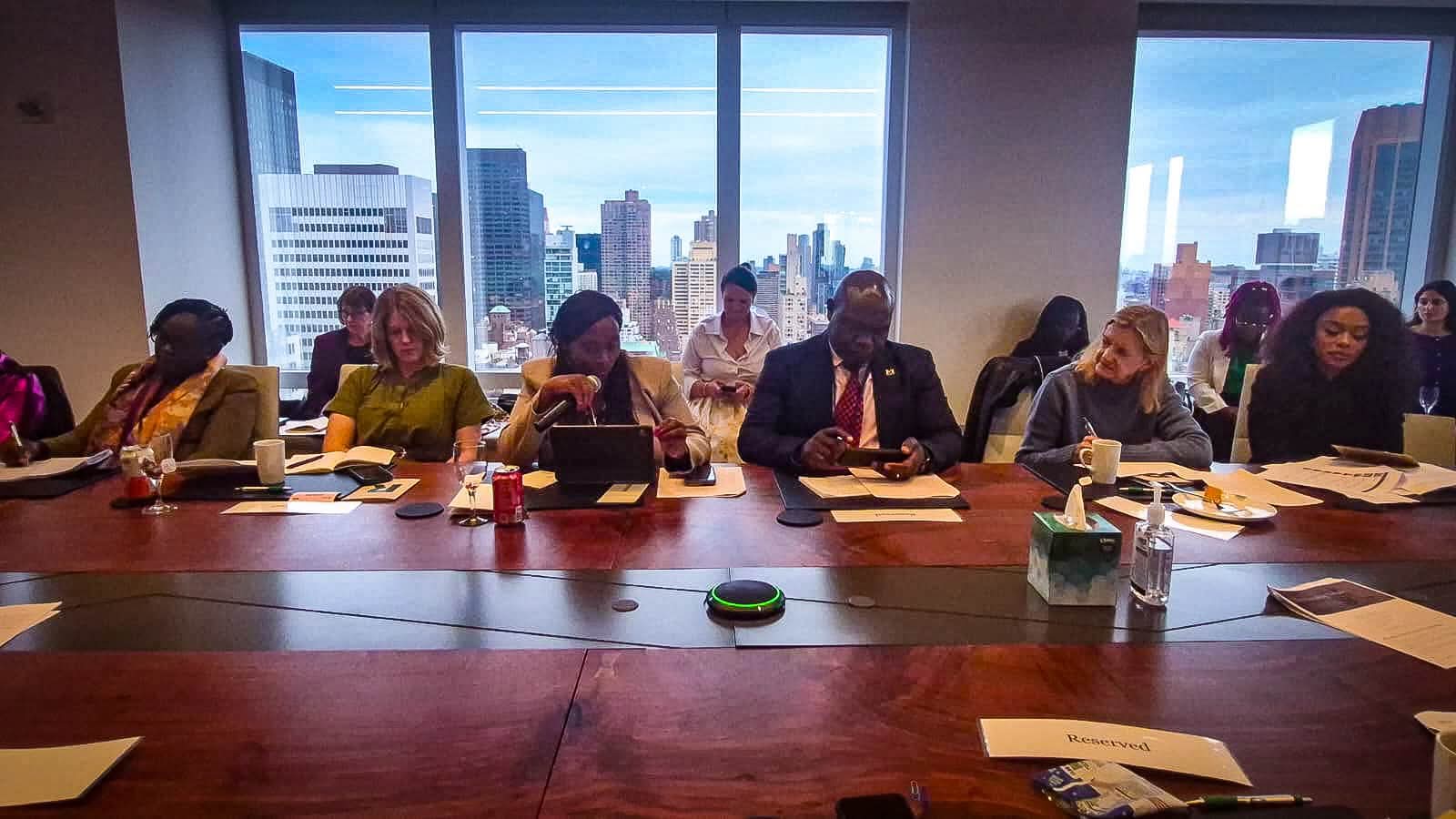
The Ministry of Health said in a statement posted on X on 27 September 2026 that the technology was presented at a side event held alongside the 81st United Nations General Assembly (UNGA81), the annual meeting in New York where world leaders discuss global issues, including health.

Kenya's session was titled "Reimagining the Future of Healthcare with AI."

Principal Secretary for Public Health and Professional Standards Mary Muthoni told the gathering that Kenya has already begun folding the AI-powered X-rays into everyday health services, not just testing them.

The system reads a chest scan and flags possible TB within seconds, work that used to depend on a radiologist reading the image by eye, which often took longer, especially where few specialists are available.

Muthoni said Kenya is exploring the same tool for other uses too, including wider lung health checks and HIV care, since people living with HIV face a much higher risk of developing TB.

This builds on a rollout the ministry carried out in October 2025, when it deployed 80 similar AI-powered X-ray machines across all 47 counties alongside new national guidelines for TB and lung disease.

SUPPORT INDEPENDENT JOURNALISM

Help keep health journalism independent

I report and explain important health and medical stories independently, with accuracy, context and African relevance. Your support helps me continue this work.

At the time, the ministry said Kenya had already cut TB deaths by roughly two-thirds and new TB cases by about two-fifths since 2015.

Muthoni was clear that the technology alone will not fix TB detection.

She told the meeting that AI tools only work if the government owns the rollout, sets clear rules for how they are used, protects patient data, and backs them with money, equipment, and trained staff.

Without that groundwork, she said, faster and more accurate screening will not reach the poorer and more remote communities where TB has historically been hardest to catch early.

The Kenyan session was part of a wider discussion bringing together health ministers, policymakers, donors, and investors, organised under the theme "Adopt, Adapt, Advance," the idea being that countries take AI tools already proven elsewhere, adjust them to local health systems, and use them to reach people far from major hospitals.

For Kenya, a country still working to push TB deaths down further, the message was that new technology only delivers if the funding, oversight, and health workers behind it are in place too.

Comments

Be the first to comment.

Related Stories

Newsletter

The MMWA Briefing

Stay ahead of the health news shaping Kenya, Africa and the world. Get the week's most important developments, research and public-health stories — explained clearly and delivered to your inbox.