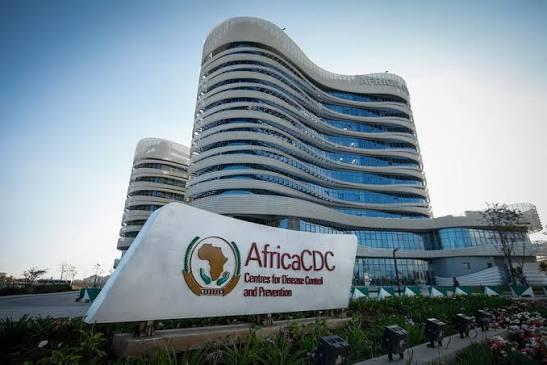
Africa CDC has published a 10-year continental plan aimed at cutting child deaths from Sickle Cell Disease and other inherited blood disorders, the African Union's health agency announced with the release of the document on 23 September 2026.
"This reality is unacceptable," Africa CDC Director-General Dr Jean Kaseya wrote in the plan's foreword, describing preventable deaths and disability among children born with these conditions.
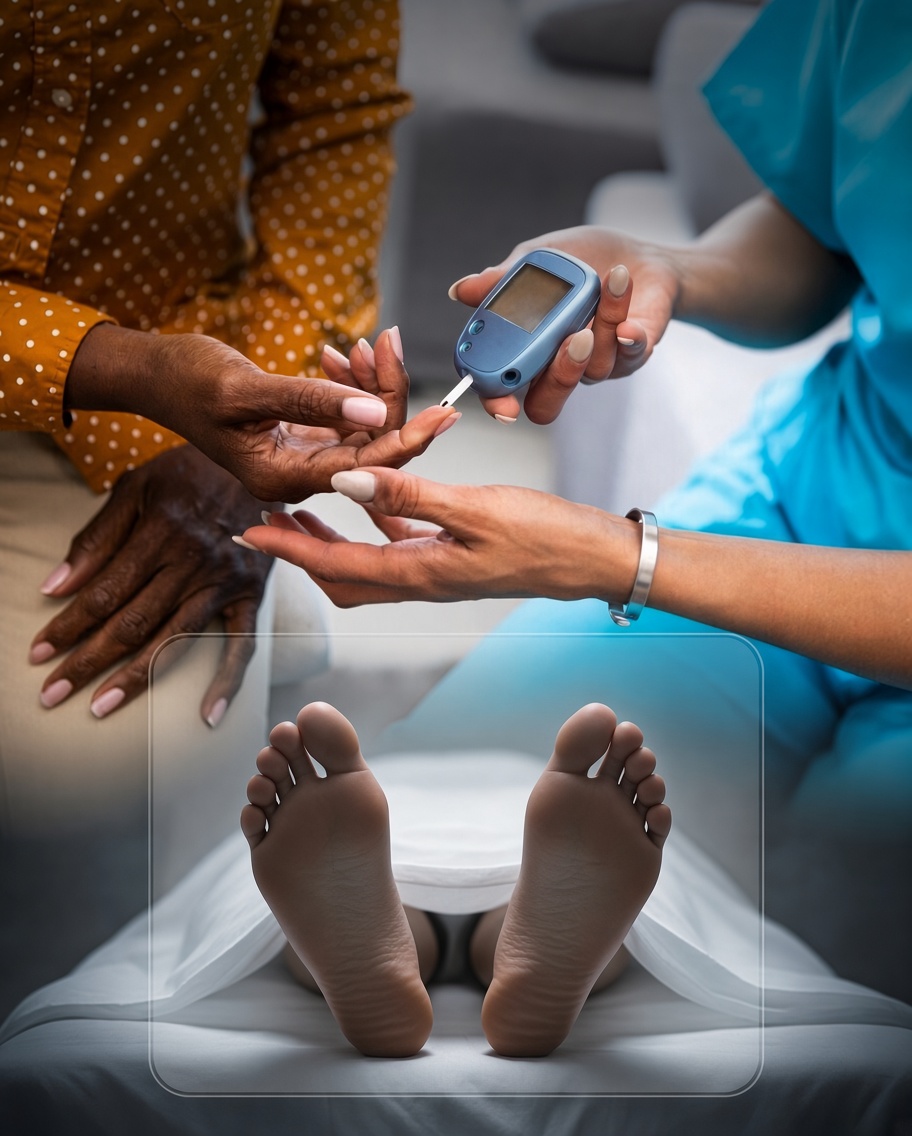
Sickle Cell Disease is an inherited disorder that distorts red blood cells into a rigid, sickle shape, blocking blood flow and starving organs of oxygen.
More than three in every four children born with the disease worldwide, between 300,000 and 400,000 babies a year, are born in sub-Saharan Africa, according to Africa CDC.
Without early treatment, up to eight in ten of them do not live to see their fifth birthday.
The plan was widened in scope after Africa CDC engaged with partners at the United Nations General Assembly held this week, to fully cover other inherited blood disorders such as haemophilia and thalassemia, the document says.
The gap there is stark: across the continent, haemophilia diagnosis averages just 8%, Africa CDC's own analysis found, meaning more than nine in ten people with the condition are living unidentified, untreated, and at persistent risk of permanent disability.
In North Africa alone, more than 1,500 babies are born every year with a severe, transfusion-dependent form of beta thalassemia, the plan states.
Africa CDC's plan states that early diagnosis, infection-prevention medicine, and a drug called hydroxyurea can cut child deaths from Sickle Cell Disease by up to 70%. Hydroxyurea is not new; it has treated the disease for decades.
Yet Africa CDC's own analysis found that essential medicines and diagnostics, hydroxyurea among them, remain unevenly available across the continent because of weak supply chains and heavy reliance on imports.
In the Democratic Republic of Congo, annual care can exceed $1,000 per patient, Africa CDC found, far beyond what most families can afford, and part of why the plan pushes for these conditions to be built into national health insurance rather than left as a private cost.
Nigeria and Senegal have begun manufacturing hydroxyurea locally, which Africa CDC calls a promising, scalable model for improving availability and cutting price, though it notes limited manufacturing capacity across the continent still constrains how far that can spread.
The plan runs in three phases over ten years, built around eight pillars and four flagship initiatives, aligned with the African Union's Agenda 2063 and its 2016 to 2030 Africa Health Strategy.
SUPPORT INDEPENDENT JOURNALISM
Help keep health journalism independent
I report and explain important health and medical stories independently, with accuracy, context and African relevance. Your support helps me continue this work.
The first phase concentrates on building political commitment and testing the plan in a small number of demonstration countries, chosen for disease burden, existing health system capacity, and government commitment.
The second phase scales up what works across the rest of the African Union's member states, while building shared continental systems, including a planned Africa CDC Data Coordination Center to track patients and outcomes across borders.
The third phase hands implementation to national governments, with Africa CDC continuing to coordinate at the continental level.
Among the eight pillars, one focuses on money: it calls for these conditions to be built into national health insurance and universal coverage schemes, for regional pooled funds to spread costs across countries, and for governments to reduce dependence on foreign donors.
Another focuses on evidence: it calls for population-level data systems, standardised indicators, and stronger African research capacity, building toward that continental Data Coordination Center.
Uganda has strengthened national newborn screening, taken steps toward locally manufacturing its own diagnostic kits and hydroxyurea, and built sickle cell care into its national health financing framework with sign-off at parliament, according to a case study in the plan.
Nigeria expanded newborn screening to selected hospitals in Lagos, Kano and the Federal Capital Territory in June 2026 and revised its national treatment guidelines to widen hydroxyurea use, its health ministry said.
A web of partners has been building the evidence base and delivery networks the plan leans on.
The SickleInAfrica Consortium has built a patient registry of more than 40,000 people across West, East, Central and Southern Africa, and validated cheaper newborn-screening methods delivered through existing immunisation clinics.
The Consortium on Newborn Screening in Africa runs screening labs and clinics in Ghana, Kenya, Liberia, Nigeria, Uganda, Tanzania and Zambia.
Texas Children's Global, led by Dr Joseph Lubega, has trained more than 35 specialists and 200 nurses across Kenya, Malawi, Rwanda, South Sudan, Tanzania and Uganda, supporting care for more than 10,000 children with the disease.
The Clinton Health Access Initiative has worked with Ghana, Tanzania, Nigeria, Kenya and Mozambique on diagnostics and hydroxyurea supply, while the Novartis Foundation says more than 2,000 patients in Ghana, Kenya, Uganda and Tanzania have accessed hydroxyurea, treatment centres and clinical trials through its programmes.
Foundation Pierre Fabre has supported civil society and training in Côte d'Ivoire, the DRC, the Central African Republic and Cameroon, reaching 4,700 children and 5,000 health workers.
Separately, the World Health Organization's regional office had 20 African countries at various stages of rolling out its own chronic-disease care model, PEN-Plus, as of January 2025, with a target of reaching 70% of member states by 2030.
.jpeg)