Joseph Mmwa LogoJOSEPH MMWA

If it's health, it's here

HIV Cure Research Gets Major Breakthrough as Scientists Discover Virus Hiding in Unexpected Cells

3 min read
ea51a88d a7de 4375 bdb2 0b201c3a7f3f

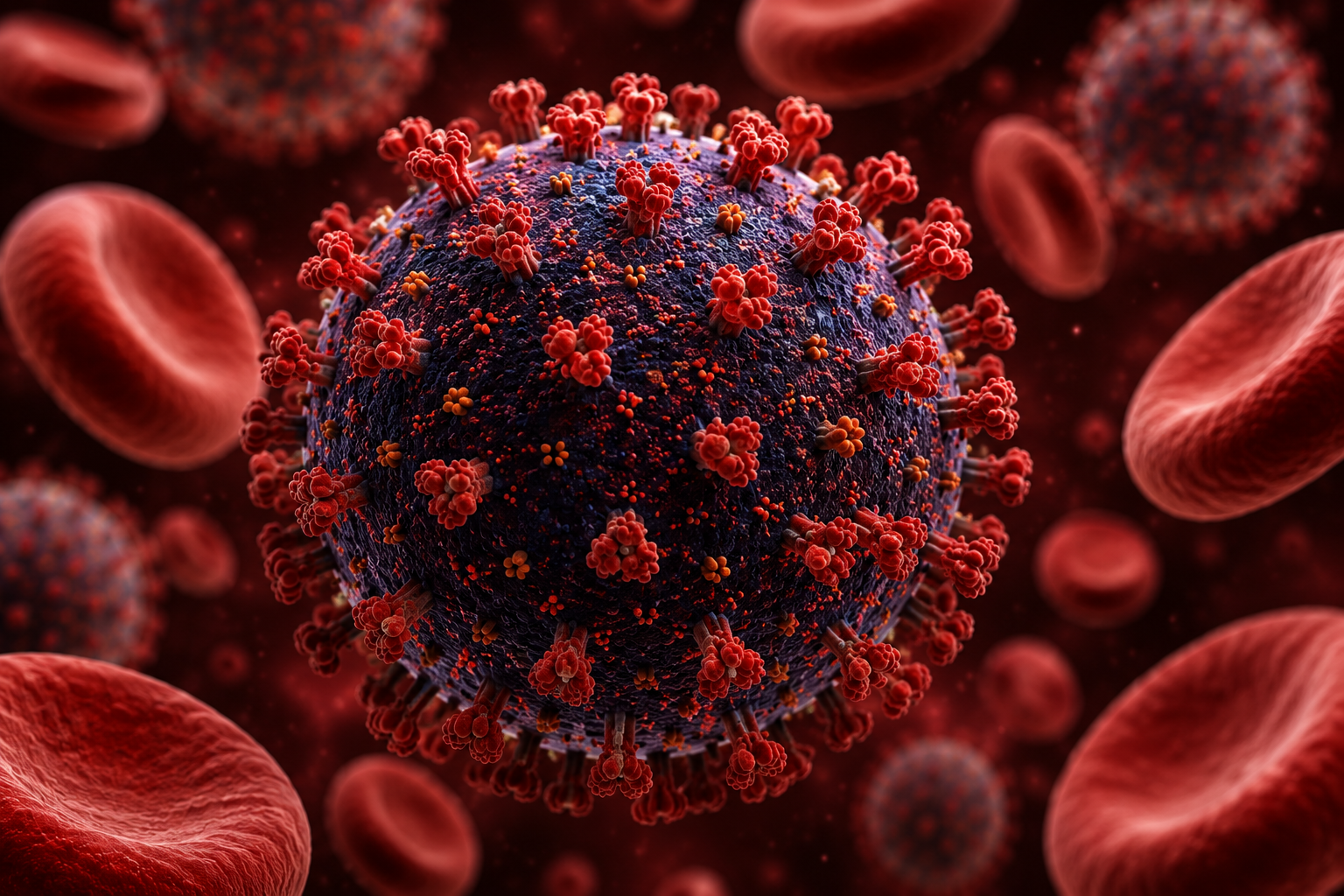
Image: AI Generated

Doctors have spent decades trying to find where HIV hides in the body after treatment suppresses the virus.

Now, scientists have discovered that the virus can persist in an unexpected type of immune cell, revealing a previously overlooked part of the HIV reservoir.

The finding could give researchers a new target in the search for an HIV cure and help explain how the virus continues to persist in the body even when treatment has brought it down to undetectable levels in the blood.

A study published in Science Translational Medicine on June 3, 2026, by researchers at Sun Yat-sen University in Guangzhou, China, with Jinfeng Cai as first author and professor Kai Deng as the final author, found that some infected CD4 cells, immune cells that help coordinate the body's defence against infections, can change into CD8 cells, immune cells that help identify and destroy infected or abnormal cells, while still carrying HIV.

The researchers found these changed cells in people living with HIV, including people whose treatment had suppressed the virus.

How HIV hides in the first place

Antiretroviral treatment works by stopping HIV from making new copies of itself. It does not remove HIV that has already persisted inside infected cells.

Some infected cells can survive treatment and continue carrying HIV.

This remaining HIV is known as the viral reservoir and is one of the main reasons treatment controls HIV but does not cure it.

Researchers have long known that HIV can persist in infected CD4 cells, immune cells that help coordinate the body's defence against infections.

The new study suggests that some of these infected cells can change into CD8 cells while still carrying HIV.

What the study found

The researchers found that some infected CD4 cells can change into CD8 cells while retaining HIV.

The changed CD8 cells were found in people living with HIV, including people whose treatment had suppressed the virus.

SUPPORT INDEPENDENT JOURNALISM

Help keep health journalism independent

I report and explain important health and medical stories independently, with accuracy, context and African relevance. Your support helps me continue this work.

They were not found in the healthy controls included in the study.

The finding suggests that some HIV-infected cells can change from one type of immune cell into another without losing the virus they carry.

The researchers describe these changed CD8 cells as a previously overlooked component of the HIV reservoir.

Why it matters

For the roughly 41 million people living with HIV worldwide, according to UNAIDS' 2025 estimate, the discovery does not change current treatment.

Antiretroviral treatment remains the standard way of controlling HIV.

But it could give researchers another place to look in the search for an HIV cure.

Much of HIV cure research has focused on understanding and targeting infected cells where the virus persists.

If some infected cells can change from CD4 cells into CD8 cells while retaining HIV, researchers may also need to consider these cells when developing future approaches to eliminate the virus.

The finding does not provide a cure, but it could help researchers better understand where HIV can persist in the body and how the virus survives treatment.

What comes next

This is one study, and more research will be needed to determine how common these changed cells are, how much they contribute to HIV persistence and whether they could eventually become a target for HIV cure strategies.

Researchers will also need to establish whether the finding applies more widely beyond the blood samples examined in the study.

Source:Cai J, Dong W, Wang P, et al. HIV-1 infection converts CD4+ T cells to HLA class II–restricted CD8+ T cells. Sci Transl Med. 2026;18(852). doi:10.1126/scitranslmed.aec4912

Comments

Be the first to comment.

Related Stories

Newsletter

The MMWA Briefing

Stay ahead of the health news shaping Kenya, Africa and the world. Get the week's most important developments, research and public-health stories — explained clearly and delivered to your inbox.