Four in every ten Kenyan health facilities have reported shortages of the medicine used to stop heavy bleeding after childbirth.
A new $80 million plan, about KSh10.4 billion, is meant to close gaps like that and cut the number of mothers and babies who die around birth.
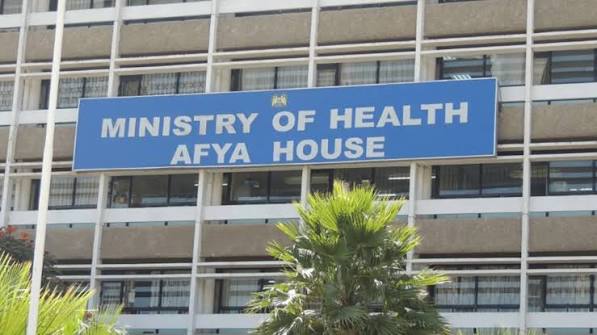
Kenya's Ministry of Health and the Beginnings Fund, a philanthropic fund that backs maternal and newborn health in ten African countries, met at Afya House in Nairobi on 29 October 2026 to discuss how the plan will be carried out.
The meeting did not start the plan.
The two sides signed their five year agreement on 3 August 2026, so the talks were about the practical work of putting it into action.
Principal Secretary for Medical Services Dr Ouma Oluga led the Ministry's side, and Beginnings Fund Chief Executive Alice Kang'ethe led the Fund's team.
Dr David Gathara and Dr Gladwel Gatheca also attended, representing the Ministry's Director of Family Health.
According to a Ministry statement dated 29 October, the talks covered how the plan will be carried out and how the two sides will work together.
The Beginnings Fund's August release put Kenya's maternal death rate at an estimated 355 for every 100,000 babies born alive.
The figure comes from the 2019 national census. Ministry of Health data, reported by Kenya News Agency, puts this at about 16 mothers dying every day.
The global target for 2030 is below 70, so on this estimate Kenya's rate is about five times higher.
Census figures have been debated.
A review involving the Countdown to 2030 research group later suggested a rough range of 175 to 324, which is lower but still well above the global target.
The same Fund release put newborn deaths at 21 for every 1,000 live births, meaning babies who die in their first 28 days of life.
The plan covers 21 counties and 200 health facilities.
These include 20 Level 5 hospitals, which are Kenya's county referral hospitals, and 136 Level 4 hospitals, which are sub county hospitals.
The list is completed by 44 busy health centres.
In 2025, Business Daily quoted Dr Oluga as saying the facilities were chosen because together they account for at least half of the country's maternal and newborn deaths.
According to the Ministry, the investment will strengthen emergency care for women in difficult labour and for sick newborns, improve access to essential medicines and equipment, and support the training of health workers.
It will also go towards better systems for moving women from one facility to another, blood supplies, and maternity and newborn facilities.
The Ministry statement does not list the 21 counties by name, and no breakdown of the $80 million by county or activity has been published in the material I found.
Data presented to editors in Nairobi on 27 August, and reported by Capital FM, gives a picture of the problem.
Among facilities reporting, 48 percent lacked magnesium sulphate, a medicine used to prevent seizures in women with severe pre-eclampsia, a pregnancy complication with dangerously high blood pressure.
Forty percent reported shortages of oxytocin, which helps stop bleeding after birth.
The presentation also showed that the share of recorded deliveries attended by a skilled health worker fell from about 70 percent between April and June 2025 to about 65 percent between January and March 2026.
These are recorded delivery figures.
A separate national survey, the 2022 Kenya Demographic and Health Survey, put skilled attendance at 89 percent, so the two measure different things.
The drop raises questions about access to skilled care, and stocked shelves and trained staff are what the plan is meant to deliver.
Dr Oluga is to share the chair of a joint steering committee with the Fund.
The Ministry said the plan will run on clear responsibilities, measurable milestones, and payments linked to performance.
Maternal and newborn data will also be fed into the government's TaifaCare system so progress can be tracked, and counties will take part.
Health Cabinet Secretary Aden Duale said when the agreement was signed that success would depend on how it is carried out, not on the signing itself, and would be measured by fewer maternal deaths, newborn deaths and stillbirths.
The Ministry added that Kenya's own funding for the work will be increased gradually, so the gains last after the Fund's money ends.
The Ministry said the plan is expected to reach 5.9 million mothers and newborns with better care and prevent an estimated 46,494 deaths of mothers, newborns and stillbirths by 2030.
The Beginnings Fund and Business Daily put the same figure at 2031, so the end date is not settled in public reporting.
Stillbirths are babies born with no signs of life late in pregnancy, which the World Health Organization counts from 28 weeks for international comparison.
Separately, Kenya's national plan for women and newborns, known as the Every Woman Every Newborn Everywhere Acceleration Plan, aims to bring the maternal mortality ratio down from 355 to 140 or fewer for every 100,000 live births by 2028, according to Capital FM.
The Fund's money is one part of that effort and reaches 21 counties, not the whole country.
No results have been reported yet.
The 46,494 is a projection, not a reported result. Whether it holds will depend on medicines in stock, trained staff, blood supplies and women reaching the right hospital in time.