.jpeg&w=3840&q=75)
New TB Vaccines Could Save 7.3 Million Lives by 2050, Gavi Says
After more than 100 years with BCG as the only licensed TB vaccine, a new era of prevention may be approaching
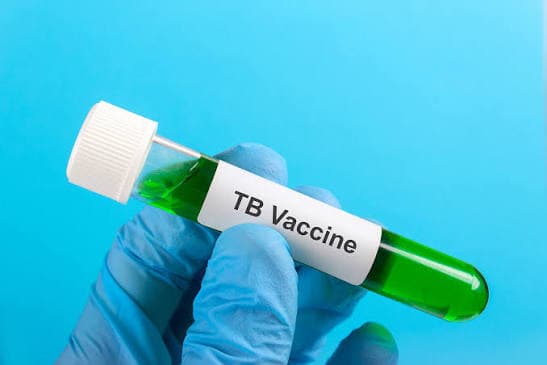
A new generation of tuberculosis vaccines, expected to reach the market from 2029, could save up to an estimated 7.3 million lives between 2030 and 2050 and unlock US$135 billion in economic benefits for low- and middle-income countries, Gavi, the Vaccine Alliance, a global partnership that helps fund vaccines for developing countries, said in its Early Market Shaping Roadmap for novel TB Vaccines, published on Monday, 14 September, in Geneva.
It is the clearest signal yet that after more than a century of relying on a single, ageing vaccine, the world could soon have new tools to fight tuberculosis, but only if governments and manufacturers start preparing now.
A Vaccine 100 Years in the Making
For over a century, the Bacille Calmette-Guérin (BCG) vaccine has been the only licensed tuberculosis vaccine.
It works well in infants and young children, protecting them from the disease's most severe forms.
But that protection provides limited and waning protection against pulmonary TB as children grow, leaving adolescents and adults, the age groups that account for most infectious pulmonary tuberculosis and transmission, with limited protection.
That gap matters because tuberculosis remains the world's deadliest infectious disease.
In 2024 alone, an estimated 10.7 million people fell ill with TB and 1.2 million died from the disease, according to Gavi.
Gavi-supported countries accounted for an estimated 77% of those deaths.
The new vaccines under development are designed specifically to close that gap by preventing infectious pulmonary TB disease in adolescents and adults, the age groups in which BCG provides limited and waning protection.
What the Roadmap Actually Found
The 7.3 million lives figure is not a guarantee. It is a projection.
It comes from preliminary modelling by the London School of Hygiene & Tropical Medicine, built around a specific scenario: vaccinating high-risk populations and adolescents through routine immunisation, combined with targeted catch-up campaigns in those populations and high-burden settings.
The model assumes the vaccine is 50% effective at preventing disease, regardless of whether someone was previously exposed to TB, and that this protection fades gradually over 10 years.
In plain terms, that means the estimate depends heavily on how quickly countries roll the vaccine out, how well they target the people most at risk, and whether real-world effectiveness matches the assumptions built into the model.
If uptake is slower, or the vaccine works less well than assumed, the actual number of lives saved could be lower.
Still, even as a projection, the scale is significant.
Gavi's roadmap estimates that if the vaccines are approved and distributed as planned, low- and middle-income countries could need an average of 86 million vaccination courses every year, with demand spiking even higher in the early years as countries rush to reach multiple age groups in high-risk areas at once.
Create a free account
Join Joseph Mmwa and be the first to know the world's biggest health and medical stories as they happen
Why the Timeline Is Tight
The first of the candidate vaccines could win regulatory approval by the end of this decade.
That may sound like good news, but Gavi's own roadmap frames it as a warning: approval alone will not get vaccines into arms fast enough unless preparation starts years in advance.
The roadmap identifies three broad risks that could slow rollout even after a vaccine is licensed. Regulators could limit early recommendations to only the highest-risk groups if evidence gaps remain.
Countries could struggle to fund and deliver the vaccines without adequate global and domestic financing in place.
And manufacturers, uncertain about how much demand will actually materialise, could hold back on the capacity investments needed to produce vaccines at scale.
"Novel TB vaccines could be the next blockbuster immunisation tool, however they will only realise their potential if we are able to ensure sufficient, predictable and affordable supply for those countries with the highest disease burden," said Dr Sania Nishtar, Gavi's chief executive officer.
Gavi's Plan to Get Ahead of It
To address those risks, Gavi has laid out three objectives it says will guide its work in the coming years: securing a sufficient, timely and affordable supply of the new vaccines; supporting countries to roll them out widely through routine immunisation and catch-up campaigns; and encouraging a competitive, geographically diverse pipeline of vaccine candidates so that supply is not dependent on a single manufacturer.
Nishtar said Gavi is already beginning to work with partners to help countries secure the doses they will need, rather than waiting until a vaccine is approved to start planning.
Several high-burden countries, including some hosting vaccine trials, are already taking early steps toward rollout, working through the WHO Tuberculosis Vaccine Accelerator's Finance & Access working group, where Gavi serves as co-lead alongside other global health partners.
What This Means on the Ground
For countries carrying some of the heaviest tuberculosis burdens, particularly across Africa and South and Southeast Asia, the roadmap signals that a long-awaited tool may finally be on the horizon, though one that will require years of financing and logistics work before a single dose is given.
Unlike a sudden outbreak response, this is a slow-moving opportunity.
The difference between a well-prepared rollout and a delayed one could be measured in millions of lives, according to Gavi's own estimates.
Whether that opportunity is realised will depend less on the vaccine candidates themselves, several of which are advancing through clinical development, and more on decisions still to be made: by regulators on how quickly to approve and recommend the vaccines, by governments on how much they are willing to fund, and by manufacturers on how much capacity they are willing to build before demand is certain.
Source: Gavi, the Vaccine Alliance, 'New “blockbuster” tuberculosis vaccines could save seven million lives by 2050',September 14,2026.

Related Stories
Weight-loss Drugs Ozempic and Wegovy Officially Launched in Kenya as Obesity and Diabetes Cases Rise

The UK to Require Folic Acid in Bread Flour from December 2026
Hospitals in Dhaka Strained as Bangladesh Battles Twin Measles and Dengue Outbreaks
Renewed Fighting Threatens Healthcare in Yemen as Health System Struggles to Cope
Comments
Be the first to comment.