.jpeg&w=3840&q=75)
Weight-loss Drugs Ozempic and Wegovy Officially Launched in Kenya as Obesity and Diabetes Cases Rise
The new treatments expand options for weight management and diabetes care as Kenya faces a rapidly growing burden of obesity and metabolic disease
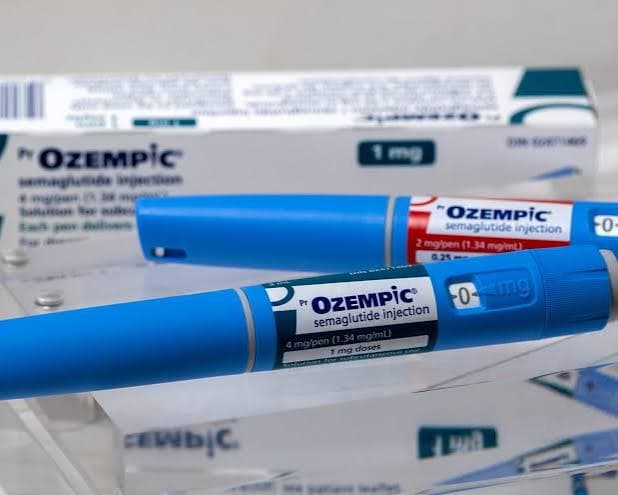
Kenyans looking to lose weight and manage diabetes now have two more drugs to turn to, after Novo Nordisk, a Danish pharmaceutical company, commercially introduced Ozempic and Wegovy in the country at a launch event in Nairobi.
The Star reported on 14 September 2026 that the event brought together healthcare professionals, policymakers and industry representatives, amid a fast-rising wave of diabetes and obesity cases.
Both drugs were already registered with Kenya's Pharmacy and Poisons Board before this event, Nation Africa reported in mid-August 2026, meaning the September launch introduced the drugs to a wider market rather than marking their first regulatory approval.
Ozempic is used to manage type 2 diabetes, while Wegovy is used for weight management in people living with obesity or overweight who also have related health problems.
Citizen Digital and Eastleigh Voice, both also reporting in mid-August 2026, confirmed that Kenya's regulator had approved seven additional semaglutide-based medicines that same month, expanding a field in which Ozempic and Wegovy were already the original, established products.
Cases are climbing faster than diagnoses
The drugs are entering the Kenyan market at a moment when the numbers are moving quickly in one direction.
Consultant physician and endocrinologist Dr Roseline Ngugi told the launch event, as reported by The Star, that diabetes prevalence across Africa has jumped by more than 142 per cent over the past ten years.
That means cases have more than doubled in a decade, a pace doctors describe as outrunning the health system's ability to catch and treat them early.
The rise is made worse by a diagnosis gap.
Ngugi said a large share of people in Kenya could be living with diabetes without knowing it, which means the disease is climbing even faster than the official case counts show.
Undiagnosed diabetes is dangerous specifically because it delays treatment until complications set in, problems like nerve damage, vision loss or kidney disease that are harder and more expensive to treat than the diabetes itself.
Ngugi also pushed back on a common assumption about obesity, which is rising alongside diabetes.
She described it, according to The Star, as a metabolic condition that drives other illnesses such as high blood pressure and heart disease, not simply a result of personal lifestyle choices.
Create a free account
Join Joseph Mmwa and be the first to know the world's biggest health and medical stories as they happen
She said obesity is increasingly affecting children as well as adults, adding another growing front to a burden that was already climbing among adults.
What the two drugs are for
Ozempic and Wegovy work in a similar way but are prescribed for different purposes. Ozempic is meant for people managing type 2 diabetes.
Wegovy is meant for weight management in people who are obese or overweight and already have a related health condition, such as high blood pressure.
Neither is a cure, and neither replaces the need for a doctor's assessment before use.
Malika De Maillard, head of Novo Nordisk's Business Area Africa, said the scale of diabetes and obesity on the continent is driving the need for new treatment options.
"There is a great medical need for diabetic patients," she said, according to The Star, pointing to the wider links between obesity, diabetes, and heart and kidney disease.
A diplomatic angle
Danish Ambassador to Kenya Stephan Schønemann also spoke at the launch, framing the new drugs as an expanded choice for Kenyan patients.
"We are giving people with diabetes a better option," he said, per The Star's report.
He pointed to the gap in life expectancy between Kenya and Denmark as a sign that closing that gap would take cooperation beyond the pharmaceutical industry alone, involving government, insurers and communities as well as drugmakers.
The bigger picture
The event also called for diabetes, obesity, heart disease and kidney disease to be treated as connected problems rather than separate ones, an approach doctors argue produces better outcomes than treating each condition in isolation once cases climb far enough to reach crisis levels.

Related Stories
New TB Vaccines Could Save 7.3 Million Lives by 2050, Gavi Says
Community Health Workers in Western Kenya Help Children Living With HIV Achieve Viral Suppression
Kenya Explores Safer Pathways for Nurses to Work Abroad Without Weakening Local Hospitals
Kenya to Receive Ksh 51.8 Billion From World Bank as Ebola Readiness Sits at 66 Percent
Comments
Be the first to comment.