Joseph Mmwa LogoJOSEPH MMWA

If it's health, it's here

Zambia to sign $1.5bn US health deal after patient data and specimen-sharing requirements dropped

Reuters, reporting on an earlier draft in February, said the funding covers conditions like HIV and malaria, preparing for disease outbreaks, and maternal and child health

3 min readAfricaZambia
WhatsApp Image 2026 10 06 at 19.47.17

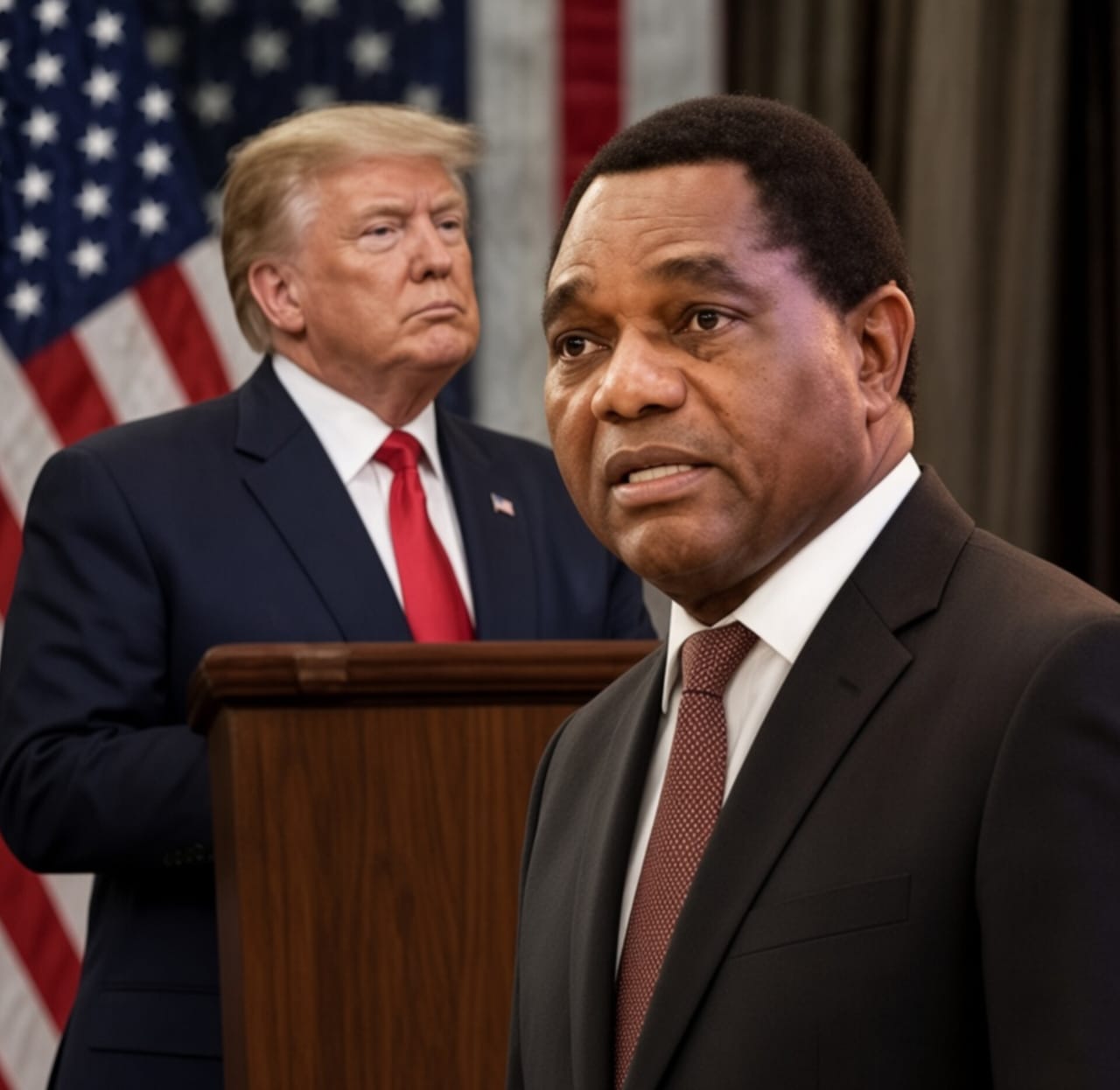
Zambia will sign a five-year health agreement with the United States on Thursday after the U.S dropped the requirement to hand over patients' individual health data and medical specimens, Health Minister Roma Chilengi said at a press briefing in Lusaka, the capital, on Tuesday, The Associated Press (AP) reported.

Reuters reported that he said Zambia will still share the information needed to monitor and evaluate the US-funded health programmes.

The signing is set for Thursday 8 October at the Ministry of Finance, according to Open Zambia.

What the minister said

Chilengi told the briefing the agreement no longer mentions specimen sharing, and that clauses on sharing individual health data had been completely removed.

"Zambia will not be obliged to share any specimen," he said.

He said the talks had focused on intellectual property, specimen sharing, data sharing and how long the agreement should last, and that Cabinet had approved the final version.

In plain words, what stays is information about how the funded programmes are working.

Individual patients' records and specimens are out, according to the minister.

What exactly counts as monitoring information has not been made public.

Who pays what

Chilengi said the five-year deal is worth $3.6 billion with both countries' money combined, and told state broadcaster ZNBC the United States would provide $1.5 billion of it.

Zambia will spend $2.1 billion, Reuters reported, which means Zambia is putting in about $600 million more than the United States.

The gap grows over time.

The US amount falls every year, and Zambia has to raise its own spending so the gains last once American money tapers off, the Lusaka Times reported.

The AP described this as the pattern in the new US agreements across Africa, which followed the Trump administration's closure of the US Agency for International Development (USAID), once the world's largest humanitarian donor.

Where the money goes

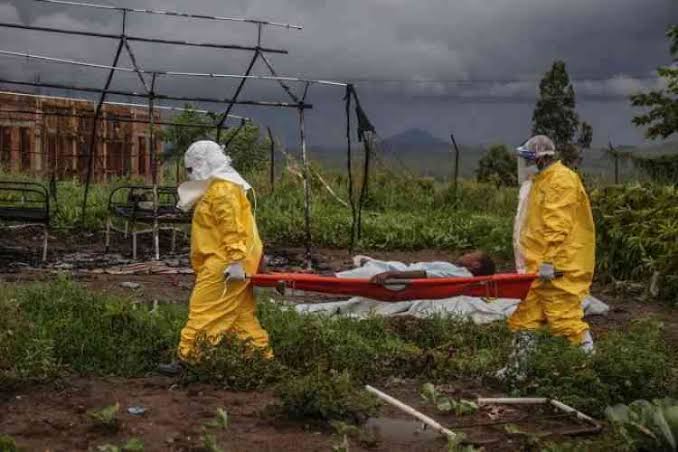
Reuters, reporting on an earlier draft in February, said the funding covers conditions like HIV and malaria, preparing for disease outbreaks, and maternal and child health.

SUPPORT INDEPENDENT JOURNALISM

Help keep health journalism independent

I report and explain important health and medical stories independently, with accuracy, context and African relevance. Your support helps me continue this work.

The final text has not been published, so whether that list is unchanged is not confirmed.

The clauses behind the fight

The US has signed health data and specimen-sharing agreements with at least nine African countries, requiring data and specimens to be sent within five days of a request, according to agreements published by the US State Department, the AP reported.

The US can then pass the material to up to 10 American "non-government entities" to develop diagnostics and treatments, and those entities are not named.

Those agreements do not guarantee that the country supplying the samples will benefit.

Any treatment would come only if funds allow, after America's own needs, and the African country would have to pay for it.

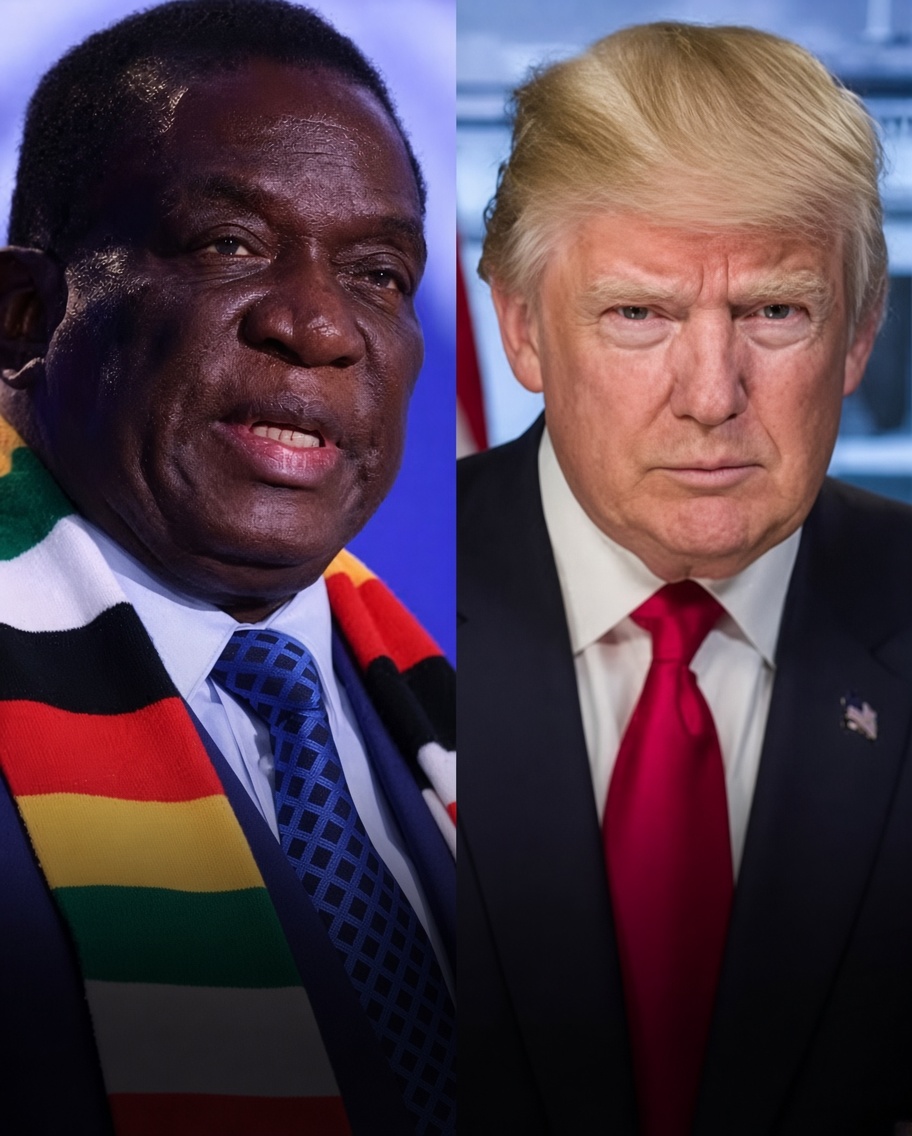
Zimbabwe rejected the proposed agreement in February partly over these terms, and the US announced last month it had ended all health assistance to Zimbabwe.

Ghana's president, John Dramani Mahama, said last month his Cabinet threw out the proposal in record time.

Namibia has also reportedly rejected some of the clauses, though neither Namibia nor the US publicly linked the later cut in Namibia's HIV funding to that dispute.

Kenya, Tanzania and Uganda have signed similar agreements, Reuters reported.

What nobody can check yet

The minister's account cannot be tested yet, because the agreement will not be published before signing.

Antonio Mwanza, president of the opposition Democratic Progressive Party, called for the final agreement to be published first, the Lusaka Times reported.

Minerals are the other open question. Reuters reported in February that the draft was tied to mining collaboration.

Chilengi said the final health agreement makes no mention of critical minerals, and that he knew of no separate minerals agreement being negotiated.

Sources:Jacob Zimba and Gerald Imray, The Associated Press, 6 October 2026; Reuters, 6 October 2026; Lusaka Times, 6 October 2026; Open Zambia, 6 October 2026; Reuters, February 2026

Comments

Be the first to comment.

Related Stories

Newsletter

The MMWA Briefing

Stay ahead of the health news shaping Kenya, Africa and the world. Get the week's most important developments, research and public-health stories — explained clearly and delivered to your inbox.