U.S.-supported health programmes in Zimbabwe are set to conclude at the end of September 2026, the U.S. Embassy in Harare says, after Zimbabwe declined a proposed bilateral health agreement between the two countries.
U.S. Ambassador to Zimbabwe Pamela Tremont said this week that "with Zimbabwe's decision to decline a bilateral health MOU," the programmes will conclude at the end of September.
An MOU, or memorandum of understanding, is a formal agreement setting out how two governments will work together, in this case on health funding and cooperation.
The proposed agreement would have provided 367 million dollars over five years to support HIV and AIDS treatment and prevention, tuberculosis care, malaria control, maternal and child health, and preparation for disease outbreaks in Zimbabwe, according to a U.S. Embassy statement from February.
Talks over that deal collapsed in February.
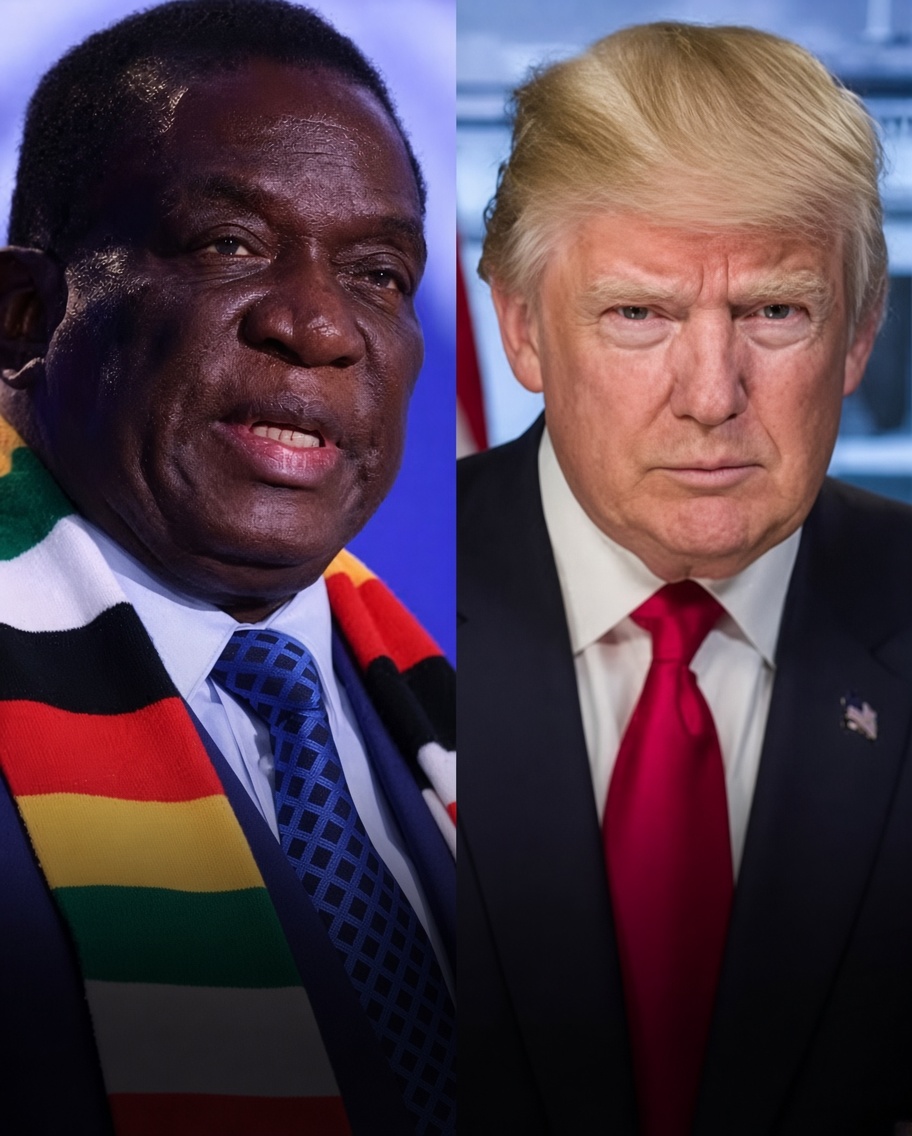
According to a Dec. 23, 2025, letter signed by Zimbabwe's secretary for foreign affairs and trade, President Emmerson Mnangagwa directed officials to halt the negotiations, citing concerns that sharing sensitive health data with Washington would compromise the country's sovereignty.
Health advocates warn the wind-down lands on programmes already under strain.
Asia Russell, executive director of the international advocacy group Health GAP, said Zimbabweans had already suffered from disruptions to HIV, tuberculosis and malaria programmes, which she attributed to U.S. stop-work orders and the shutdown of funding awards from the U.S. Agency for International Development, or USAID, in 2025.
She said this latest decision "will trigger a public health catastrophe."
SUPPORT INDEPENDENT JOURNALISM
Help keep health journalism independent
I report and explain important health and medical stories independently, with accuracy, context and African relevance. Your support helps me continue this work.
Zimbabwean officials have said the country will prioritize raising funds domestically as assistance from the U.S. and other Western governments declines.
Some health advocates have questioned whether Zimbabwe's financially troubled government can absorb costs previously covered by outside donors.
Under a new U.S. approach to foreign health assistance, Washington has been negotiating bilateral health agreements with individual countries rather than continuing older aid arrangements.
KFF, a U.S. health policy research organization, tracked 35 countries with signed U.S. global health agreements as of September 11, 2026, most of them in Africa.
At least four African countries have publicly resisted or failed to conclude new U.S. bilateral health agreements, according to AP reporting: Ghana, Zambia, South Africa and Zimbabwe.
Kenya did sign an agreement, in December 2025, but its rollout has been tied up in Kenyan courts since.
Kenya's High Court suspended parts of the deal that same month over a legal challenge citing data-privacy concerns, and while the Court of Appeal lifted that suspension in May 2026 to let the programme proceed, a final ruling on the underlying case is still due, on October 30, 2026.
For Zimbabweans who rely on health services supported by U.S. funding, including HIV, tuberculosis and malaria programmes, the wind-down creates uncertainty over how those services will be financed and maintained once U.S. support ends this month.
Washington's new bilateral model is asking recipient countries for greater co-investment and longer-term domestic financing, and Zimbabwe's outcome shows what happens when a government declines those terms rather than accepting them, as Kenya did, or continuing to negotiate.
.jpeg)