.jpeg&w=3840&q=75)
Disease Outbreaks, Flooding Threat Rises as Kenya Braces for Above-Normal October Rains
The rains are expected to bring a heightened risk of floods, disease outbreaks, injuries and disruption of healthcare services across Kenya
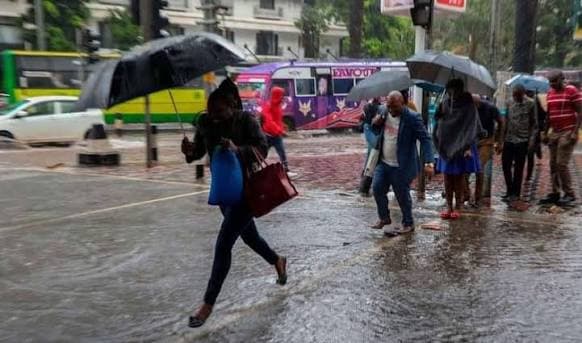
Photo:The Star[File]
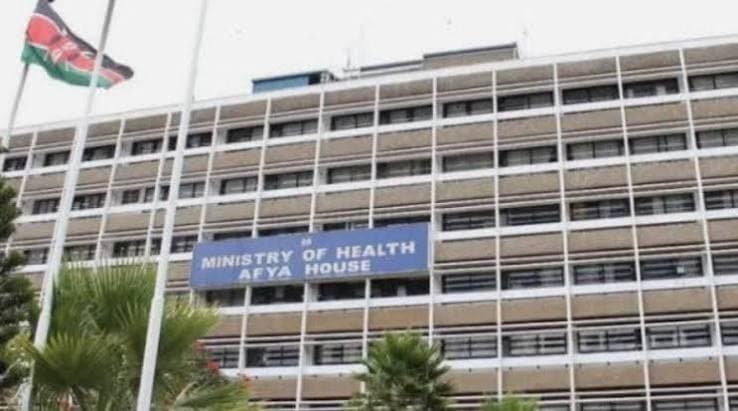
Kenya's Ministry of Health has switched on emergency preparedness in every one of the country's 47 counties, ordering health teams to get ready before the October rains begin.
The order came after the Kenya Meteorological Department, the government agency responsible for forecasting weather, put the chance of above-normal rainfall between October and December 2026 at 99 percent, with the wet season expected to run into February 2027.
The trigger is El Nino, a natural shift in ocean temperatures in the Pacific that changes rainfall patterns around the world and has historically brought heavier-than-usual rain to East Africa.
What the ministry is bracing for
Heavy rain and flooding do more than soak roads and homes.
They contaminate the water people drink and create still pools where mosquitoes breed, conditions that the Ministry of Health's press statement, issued on September 14, 2026, links to a rise in cholera, typhoid, malaria, dengue fever and Rift Valley fever.
Floodwater can also cut off health facilities, disrupt food supplies and raise the risk of malnutrition in children, while warmer conditions bring their own dangers, including dehydration and heat-related illness.
The ministry is not guessing at these risks.
It is drawing on what happened the last time El Nino struck Kenya hard, between September 2023 and February 2024.
That season affected 43 of the country's 47 counties.
According to the ministry's statement, 175 people died, 40 went missing and 242 were injured, while 384,216 people were forced from their homes into 170 emergency camps. Of 1,434 health facilities checked across 11 counties, 64 became impossible to reach.
Cholera, Rift Valley fever and malaria cases all rose during that period.
The ministry says those lessons are shaping how it is preparing this time, aiming for earlier and better-coordinated action rather than a response after the damage is done.
Orders to all 47 counties, with extra pressure on some
Every county government has been told to keep basic emergency readiness in place, guided by the Health Sector El Nino Contingency Plan.
Counties at greater risk of flooding, landslides, disease outbreaks or malnutrition have been told to move faster and go further.
That includes activating emergency coordination teams and health emergency operations centres, identifying which health facilities could flood or become cut off, stocking medicines and vaccines, strengthening disease surveillance, and checking that drinking water stays safe.
Counties have also been directed to boost malaria and mosquito control, ready ambulances and referral services, watch for and treat malnutrition, keep essential health services running for the most vulnerable, and provide mental health support alongside clear, timely public information.
Create a free account
Join Joseph Mmwa and be the first to know the world's biggest health and medical stories as they happen
The ministry named specific places carrying the highest risk.
In Kenya's arid North Eastern region, near the borders with Somalia and Ethiopia, Mandera, Wajir, Marsabit and Garissa counties face particular scrutiny.
In the drier South Eastern counties of Kitui, Makueni and Machakos, and along the Indian Ocean coast in Lamu, Kilifi, Kwale, Tana River, Taita Taveta and Mombasa, health teams have been told to strengthen readiness without delay.
Flood-prone low-lying areas were also flagged: the Kano Plains near the lakeside city of Kisumu, Budalang'i in Busia county on the border with Uganda, and the Tana Delta, where Kenya's longest river meets the ocean.
In the country's highland and hilly areas, including Murang'a, Nyeri, Meru, the Gusii Highlands, West Pokot and the Rift Valley escarpment, the concern shifts to landslides rather than floodwater.
A coordinated national response
Beyond the counties, the response is being run through the National Public Health Emergency Operations Centre, working alongside the Kenya Meteorological Department, the National Disaster Operations Centre and international partners including the World Health Organization, UNICEF, the World Food Programme and the Kenya Red Cross Society.
The ministry says disease monitoring systems are being strengthened, emergency teams and laboratories readied, and supplies of medicine, nutrition products, cholera response materials and mosquito-control tools are being moved into position in areas most likely to need them.
Principal Secretary Mary Muthoni Muriuki, the top civil servant leading the Ministry of Health's day-to-day work, tied the strategy directly to the losses of the last El Nino season. "We are acting early and together.
We have learnt from previous El Nino emergencies, and our goal is to prevent avoidable deaths, disease outbreaks and disruption of health services," she said in the September 14 statement, adding that she wants every county and every family to prepare before the rains start.
What families are being told to do
The ministry's advisory to the public centres on basic protection: boil or treat water when its safety is uncertain and store it in clean, covered containers; wash hands with soap before eating or preparing food and after using the toilet; cook food thoroughly and keep it covered; dispose of children's waste safely and keep children away from floodwater; sleep under a treated mosquito net and clear standing water around the home.
Households are also being urged to keep prescribed medicines, first-aid supplies, oral rehydration salts and water-treatment products on hand, and to plan ahead for children, pregnant women, older people, people with disabilities and anyone living alone.
The ministry set out clear warning signs that need immediate medical attention: sudden watery diarrhoea, repeated vomiting, severe weakness, difficulty drinking, reduced urination, bloody diarrhoea or a fever that will not go away.
While getting a sick person to care, the ministry advises giving oral rehydration solution if they are awake and able to drink, and continuing to breastfeed babies and young children.
The ministry closed its statement by urging the public to rely on official health and weather updates rather than rumours as the rains approach.
Source: Republic of Kenya, Ministry of Health, State Department for Public Health and Professional Standards, press release, September 14, 2026.

Related Stories
Weight-loss Drugs Ozempic and Wegovy Officially Launched in Kenya as Obesity and Diabetes Cases Rise
Community Health Workers in Western Kenya Help Children Living With HIV Achieve Viral Suppression
Kenya Explores Safer Pathways for Nurses to Work Abroad Without Weakening Local Hospitals
Kenya to Receive Ksh 51.8 Billion From World Bank as Ebola Readiness Sits at 66 Percent
Comments
Be the first to comment.