Joseph Mmwa LogoJOSEPH MMWA

If it's health, it's here

Global

More Than 200 People Sue Ozempic, Wegovy and Mounjaro Makers Over Vision Loss Risk

The FDA is evaluating the possible association between GLP-1 drugs and NAION through its Sentinel system, including an ongoing study specifically examining NAION among GLP-1 users with type 2 diabetes

4 min read
Ozempic Vision Loss Joseph Mmwa

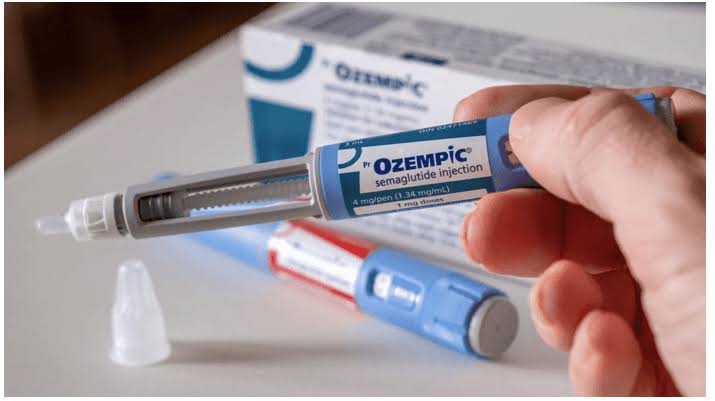
More than 200 federal lawsuits are now consolidated for pretrial proceedings in Pennsylvania, and at the center of the litigation is one question: did the makers of Ozempic, Wegovy and Mounjaro fail to adequately warn patients that the drugs could be linked to a rare form of vision loss?

The U.S. Judicial Panel on Multidistrict Litigation reported 216 pending federal actions as of September 1, 2026, consolidated for pretrial proceedings before U.S. District Judge Karen Spencer Marston in the Eastern District of Pennsylvania.

That figure covers the centralized federal litigation; separate cases may also be pending in state courts.

The lawsuits name Novo Nordisk, maker of Ozempic and Wegovy, and Eli Lilly, maker of Mounjaro, along with related drugs Rybelsus, Saxenda, Trulicity and Zepbound.

The plaintiffs allege that they developed NAION after taking one or more of the medications and that the companies failed to adequately warn them about the risk.

The FDA is evaluating the possible association between GLP-1 drugs and NAION through its Sentinel system, including an ongoing study specifically examining NAION among GLP-1 users with type 2 diabetes.

The FDA has not added a specific NAION warning to the current U.S. prescribing labels for Ozempic, Wegovy or Mounjaro.

The labels do warn about diabetic retinopathy complications, which are different from NAION.

The European Medicines Agency's safety committee concluded in 2025 that NAION should be classified as a very rare side effect of semaglutide, meaning it may affect up to one in 10,000 users.

The decision covered Ozempic, Rybelsus and Wegovy.

The World Health Organization issued a related alert covering Ozempic, Wegovy and Rybelsus.

Britain's Medicines and Healthcare products Regulatory Agency updated its semaglutide warnings in February 2026.

Australia's drug regulator updated warnings for several GLP-1 medicines, including Mounjaro, in July 2026, while saying the evidence linking the drug class to NAION remained conflicting.

Its expert advisory committee found stronger evidence for a possible association with semaglutide than with tirzepatide or dulaglutide.

A Danish-Norwegian study published in 2025 found that people with type 2 diabetes taking semaglutide developed NAION at a higher rate than those taking another class of diabetes drug, with a hazard ratio of 2.81.

The study estimated an incidence-rate difference of 1.41 additional cases per 10,000 person-years, highlighting how rare the condition remains even where an association has been observed.

A separate study in JAMA Ophthalmology, involving databases covering 37.1 million adults with type 2 diabetes, also found an association between semaglutide exposure and NAION in its self-controlled analysis.

However, several comparisons with other diabetes drugs were not statistically significant. The researchers said the findings supported further investigation rather than proving that semaglutide causes NAION.


SUPPORT INDEPENDENT JOURNALISM

Help keep health journalism independent

I report and explain important health and medical stories independently, with accuracy, context and African relevance. Your support helps me continue this work.

The picture for Mounjaro is even less settled.

A JAMA Network Open study analyzed patients taking either semaglutide or tirzepatide, Mounjaro's active ingredient, together as one group.

It found NAION in 0.04 percent of treated patients over two years compared with 0.02 percent of matched patients taking other diabetes drugs.

Because semaglutide and tirzepatide were grouped together, the study cannot determine whether Mounjaro specifically carries the same risk.

Several 2026 systematic reviews and meta-analyses have produced different results.

One systematic review and meta-analysis pooling data from 4.83 million people found no statistically significant overall increase in NAION linked to semaglutide.

The researchers rated the evidence as very low certainty because of substantial differences between studies and limitations inherent in the observational evidence.

But another meta-analysis published in August 2026, covering eight observational studies and 5,916,559 people, found a statistically significant association between semaglutide and NAION.

The researchers nevertheless said the available evidence remained inconclusive and called for further research.

The conflicting findings mean the scientific literature has not produced a single clear answer about the size of any possible risk or whether the drugs themselves cause NAION.

The EMA's safety committee, however, has concluded that the evidence is sufficient to classify NAION as a very rare side effect of semaglutide.

Novo Nordisk told ABC News it considers the personal injury lawsuits to be without merit and is defending them in court.

Eli Lilly said patient safety is its top priority and that it continues to review safety data involving its products.

No liability finding has been made against the companies in the federal MDL.

Judge Marston ordered early discovery in July focused on two questions that will help shape how the litigation unfolds: whether the drugs are capable of causing NAION generally, and whether federal law preempts the plaintiffs' failure-to-warn claims. Those questions have not been answered by the court.

The consolidation of the lawsuits into one proceeding does not amount to a finding that the drugs caused anyone's injury.

For now, the litigation is testing legal questions about causation and warnings, while researchers continue to study the size of any possible risk and whether the observed associations reflect a causal effect of the drugs.

Comments

Be the first to comment.

Related Stories

Newsletter

The MMWA Briefing

Stay ahead of the health news shaping Kenya, Africa and the world. Get the week's most important developments, research and public-health stories — explained clearly and delivered to your inbox.