Florida has recorded 252 locally acquired dengue cases this year, 62 of them reported in the latest weekly report, according to the Florida Department of Health's report covering 20 to 26 September.
One death has been confirmed.
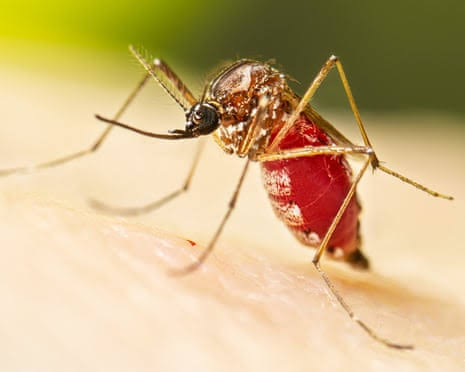
Dengue is a fever spread by the bite of an infected mosquito.
"Locally acquired" means the person was infected in Florida, not while travelling abroad.
Hillsborough County, which includes Tampa, accounts for 223 of the 252 cases, close to nine in every ten.
The other 29 are spread across six counties, led by Pinellas with 13 and Miami-Dade with 8. The report maps cases by where a person was exposed, not where they live.
Mosquito surveillance also shows the virus is circulating locally.
Nineteen mosquito pools collected in Hillsborough have tested positive for dengue virus this year, three of them in the latest week.
The Florida Department of Health's Week 36 report, covering 6 to 12 September, listed 152 locally acquired cases. The latest report lists 252, an increase of 100.
That does not mean 100 people became infected in the two weeks between the reports. The state counts cases by the date illness began, and late reports fill in earlier weeks.
The earlier report counted 124 cases starting in August, and the latest counts 150.
By start of illness, 21 cases began in July, 150 in August and 81 in September.
The September figure may rise as more cases are reported.
The state's own table of local dengue cases lists 199 for 2023, the highest year between 2014 and 2024. This year's 252 is already 53 more.
Hillsborough County typically sees only a handful of such cases, the Associated Press reported, and county spokesperson Chris Wilkerson called the situation "wildly unusual for us".
SUPPORT INDEPENDENT JOURNALISM
Help keep health journalism independent
I report and explain important health and medical stories independently, with accuracy, context and African relevance. Your support helps me continue this work.
The Florida Department of Health confirmed the first dengue-related death of the year in Hillsborough County on 18 September and gave no personal details.
The Associated Press, citing the Tampa Bay Times, reported that the person was an elderly Tampa woman who died on 4 September.
Most people who catch dengue do not become seriously ill.
According to CDC guidance for doctors, about 1 in 4 infections cause symptoms, and about 1 in 20 patients develop severe dengue, a life-threatening form that requires hospital care.
The same guidance noted that recognising early signs of shock and starting fluids through a drip can cut the risk of death among severe cases to under 0.5%.
There are four dengue viruses.
As the CDC described it, infection with one generally gives lifelong protection against that type, but only short-lived protection against the others.
In Florida, 230 of the 232 cases tested so far were type 2.
County Administrator Bonnie Wise signed an order on 1 October extending Hillsborough's local state of emergency to 8 October, according to a county press release.
Such an emergency lasts only seven days unless extended.
The county said mosquito crews are increasing treatments by air and ground because surveillance in many neighbourhoods shows the virus in local mosquitoes.
Crews have also been checking properties for standing water, including in old tyres, said Paolo Pecora of Hillsborough County Mosquito Management Services, as reported by the Associated Press.
The state counts confirmed and probable cases only, and suspect cases are left out.
The report does not say how the virus reached Hillsborough or why the outbreak is concentrated there. The department publishes new figures every week, so the totals above will change.
.jpeg)