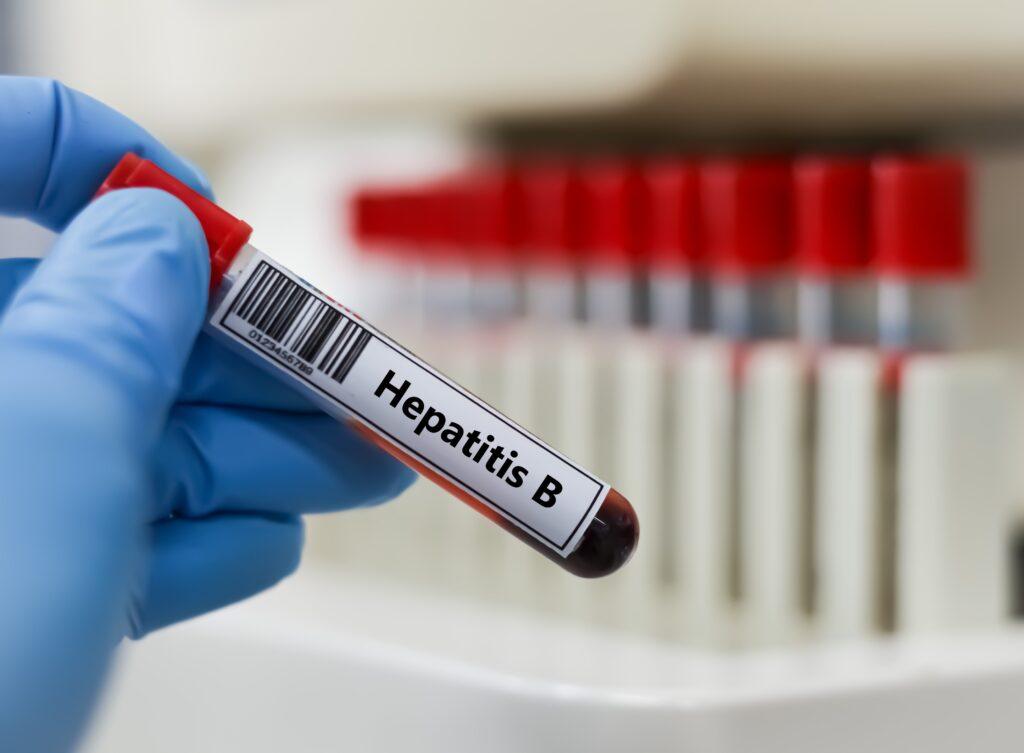
For many people living with hepatitis B, medicine is not a short course.
Most people who start it must keep taking it for life, according to the World Health Organization.
A new injection approved in the United States now gives some patients a chance to stop all their hepatitis B medicine and still keep the virus under control.
The United States Food and Drug Administration, the government agency that decides which medicines can be sold in America, approved the injection on 20 October 2026.
It is called Hibsago, and the approval went to GSK, the British drug company behind it.
The news is real, but so are its limits.
Hibsago is not a guaranteed or permanent cure, it is not for everyone, and it comes with serious warnings.
Why hepatitis B treatment often lasts a lifetime
Hepatitis B is a virus that settles in the liver.
Most people do not feel sick when they first catch it, the World Health Organization says, so many never know they have it.
Over the years, the FDA said, the infection can scar the liver and raise the risk of liver cancer.
The World Health Organization estimates that 240 million people were living with long-term hepatitis B in 2024, and 64 million of them were in its African Region.
The medicines that keep the virus low have to be taken for life by most people who start them.
That is why this approval stands out.
How the injection works
In the trials, Hibsago was injected under the skin for up to 24 weeks, about six months, while patients kept taking their usual hepatitis B medicine.
They then stayed on that usual medicine for at least 24 more weeks.
Only after that could some of them stop, and only if their health checks and blood tests met strict conditions.
The drug blocks the instructions the virus uses to make copies of itself, which lowers the amount of virus in the body.
Wendy Carter, a doctor who is acting director of the Office of Infectious Diseases at the FDA's Center for Drug Evaluation and Research, called the approval "an important advance for people living with this serious disease."
One in five
Researchers tested Hibsago in two trials, where some patients received the drug and others received a dummy injection with no medicine in it.
About 24 in every 100 patients on Hibsago met the conditions to stop their usual medicine.
Among those given the dummy injection, none did.
Six months after stopping all hepatitis B treatment, 19 in every 100 patients who had received Hibsago still had the virus under control, and a marker of the infection could not be found in their blood, the FDA said.
That is about one in five, which also means about four in five did not reach that point.
The trials were reported in the New England Journal of Medicine in May 2026 and involved about 1,800 adults.