.jpeg&w=3840&q=75)
Kenya Explores Safer Pathways for Nurses to Work Abroad Without Weakening Local Hospitals
New talks between Kenya's Ministry of Health and a United States healthcare staffing company could open safer, better regulated routes for Kenyan nurses and doctors seeking jobs abroad, while the ministry works to keep enough trained staff at home to run the country's own hospitals and clinics
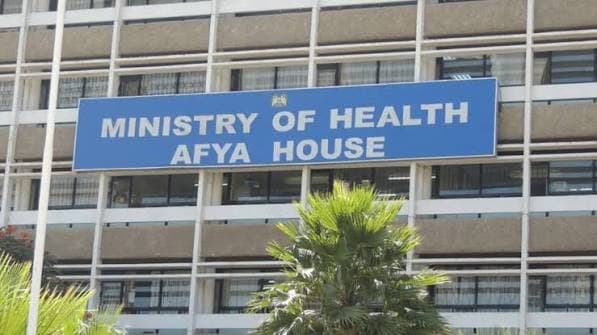
Kenya's health ministry is talking to a United States staffing company about sending doctors and nurses abroad for work without pulling too many trained staff out of the country's own hospitals in the process.
Kenya's Ministry of Health said in a statement dated 11 September 2026 that Principal Secretary for Medical Services Dr. Ouma Oluga met a delegation from Health Carousel, a United States healthcare staffing firm, alongside representatives from two Kenyan institutions responsible for training and licensing health workers.
Who Was in the Room
Also present were Dr. Andrew Toro, Kenya's Director of Nursing and Curative Services, along with officials from the Nursing Council of Kenya, the body that licenses and regulates the country's nurses, and the Kenya Medical Training College, the government college that trains most of Kenya's nurses, clinical officers and other health workers.
The Health Carousel delegation was led by Ambassador Tom McDonald, and included Amber Sprengard and Donita Ross.
What the Talks Covered
According to the ministry's statement, the discussions focused on improving how clinical training is delivered, strengthening ongoing professional development for health workers, and finding ways the government and Health Carousel could co-invest in preparing staff and supporting their wellbeing.
A separate strand of the talks looked at recruitment practices meant to protect health workers once they take jobs overseas, an approach the ministry described as advancing career growth while supporting the sustainability of Kenya's own health system.
Health Carousel describes itself on its own website as a certified ethical recruiter, a status it says was awarded by the Alliance for Ethical International Recruitment Practices, an organization that reviews how staffing firms place health workers in other countries.
Create a free account
Join Joseph Mmwa and be the first to know the world's biggest health and medical stories as they happen
That certification is the company's own claim rather than something independently confirmed by Kenya's government in the statement.
Why This Matters
Health worker migration is a long running issue for Kenya.
The country trains nurses, doctors and other health staff every year, and many have historically sought jobs in wealthier countries where pay and working conditions are often better, a pattern that has drawn attention from bodies like the World Health Organization, which has issued global guidance encouraging destination countries to recruit more responsibly from countries facing their own staff shortages.
The framing in the ministry's statement, protecting health workers abroad while sustaining Kenya's own system, points to an attempt to manage that tension rather than simply restrict it.
The ministry's statement did not include a timeline, the number of health workers who might be involved, or details of any formal agreement, so it is not yet clear what, if anything, will follow from these discussions.
Dr. Oluga was quoted in the statement as reaffirming the ministry's commitment to building a skilled and resilient health workforce capable of serving Kenyans while also accessing what he called dignified professional opportunities globally.
These were exploratory discussions rather than the announcement of a finalized programme, and any concrete training or recruitment arrangement would need further detail from the ministry to be reported as confirmed.

Related Stories
Weight-loss Drugs Ozempic and Wegovy Officially Launched in Kenya as Obesity and Diabetes Cases Rise
Community Health Workers in Western Kenya Help Children Living With HIV Achieve Viral Suppression
Kenya to Receive Ksh 51.8 Billion From World Bank as Ebola Readiness Sits at 66 Percent
Malaria Hospitalisations in Kenya's Kilifi County Drop by Nearly 98% from 1999 Peak
Comments
Be the first to comment.