.jpeg&w=3840&q=75)
Kenya to Receive Ksh 51.8 Billion From World Bank as Ebola Readiness Sits at 66 Percent
The funding could strengthen Kenya’s Ebola preparedness and close critical gaps in its emergency response
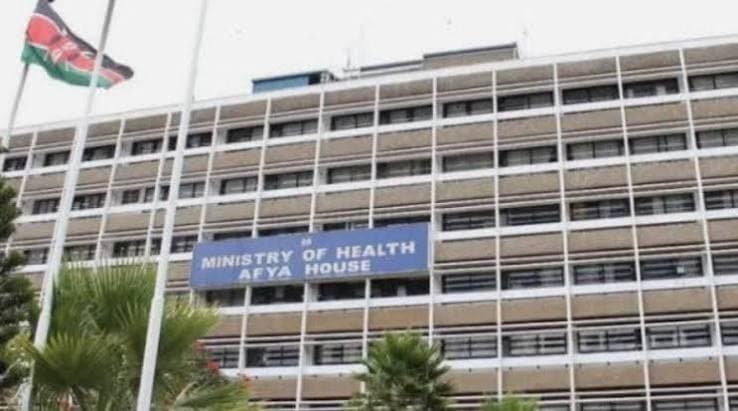
Kenya is expected to receive about $400 million (roughly KSh 51.8 billion) in emergency financing from the World Bank within six weeks, according to a source familiar with the matter cited by Reuters on September 10.
The money is meant to help the country handle three overlapping pressures at once: a regional Ebola outbreak, the threat of El Niño flooding, and high energy prices squeezing government finances.
The financing has not been finalised. A World Bank spokesperson told Reuters the lender is still supporting Kenya to complete a framework for accessing the money, describing it as covering "an eligible crisis or emergency," including the Middle East conflict and El Niño.
The two sides are working out the exact terms through what is called a Contingent Emergency Response Project, and the final amount depends on how much of Kenya's existing World Bank funding remains undisbursed once that framework is signed off.
Old Money, Repurposed
The $400 million is not new money being lent to Kenya from scratch. It comes through a World Bank tool called the Rapid Response Option, which lets a country redirect part of financing it has already been approved for, but has not yet spent, toward a sudden emergency.
The World Bank normally caps this at 10 percent of a country's undisbursed portfolio. Kenya's total World Bank project portfolio is worth more than $7 billion, of which about $3 billion had already been disbursed or committed as of the Reuters report, leaving roughly $4 billion undisbursed, ten percent of which lines up with the expected $400 million figure.
Kenya first applied for this facility after the Iran war, which began in February, pushed global crude oil prices sharply higher and strained government spending. The request has since widened to include Ebola and El Niño as the situation on the ground changed, the Reuters source said.
Why Ebola Is on the List
The Ebola outbreak driving part of this request is caused by the Bundibugyo strain of the Ebola virus, a severe and often fatal illness spread mainly through contact with the bodily fluids of an infected person.
It began in the Democratic Republic of Congo and spread for a period into Uganda, Kenya's direct neighbour.
The World Health Organization declared it a Public Health Emergency of International Concern on May 17, and Africa CDC followed a day later with its own continental emergency declaration, according to the Ministry of Health and WHO statements from that period.
Kenya has recorded no confirmed Ebola case.
But because the country sits at the centre of regional transport, trade, and travel routes, the Ministry of Health has treated it as a serious exposure risk since May, when it first activated a National Ebola Incident Management System under the Kenya National Public Health Institute to coordinate surveillance and response nationwide.
A Preparedness Score That Tells Two Stories
By July 2, the Ministry of Health put Kenya's Ebola preparedness score at 66 percent.
Health Cabinet Secretary Aden Duale, addressing a consultative meeting with United States government representatives and other partners on that date, said the figure reflected real progress but also real gaps, naming case management, infection prevention and control, rapid response deployment, health workforce surge capacity, and sustainable financing for emergency preparedness as the areas still falling short, according to a Ministry of Health statement from the meeting.
That last gap, financing, is where the $400 million becomes relevant to an ordinary Kenyan rather than just a budget line.
A hospital in a border county cannot hold Ebola isolation beds ready, keep protective equipment stocked, and pay surge staff to be on standby without a funding stream that does not run out.
Create a free account
Join Joseph Mmwa and be the first to know the world's biggest health and medical stories as they happen
Kenya has already built parts of the response machinery: over 1,000 healthcare workers trained specifically for Ebola response, a reserve team of 241 epidemiology and laboratory specialists on standby, and isolation facilities designated at hospitals including Kenyatta National Hospital, according to Ministry of Health briefings to Parliament in June.
Four laboratories are designated nationwide for Ebola testing: the National Public Health Laboratory, KEMRI Nairobi, KEMRI Kisumu, and a mobile laboratory covering Busia and Bungoma counties, according to a Ministry of Interior update issued on September 14, which also confirmed the country still has no confirmed Ebola case and every suspected case tested so far has come back negative.
What has been harder to lock in is the money to sustain all of that if an outbreak actually reaches Kenyan soil.
The Part That Caused Friction
Not every element of Kenya's Ebola response has gone smoothly, and one episode shows how far the friction went.
In May, the United States announced it was building a quarantine facility with 50 beds at Laikipia Air Base, near Nanyuki, to hold American citizens exposed to Ebola while working in the outbreak region.
The plan was tied to a US pledge of $13.5 million (about KSh 1.75 billion) toward Kenya's own preparedness effort, according to Al Jazeera.
Kenya had recorded no Ebola cases at the time, and healthcare workers' unions and civil society groups criticised the arrangement as an attempt to offset the risk of hosting the virus with a cash payment, Al Jazeera reported.
Protests broke out in Nanyuki at the start of June.
Reuters reported that two people died of gunshot wounds during the unrest, citing a protest organiser and a security source, though NBC News reported that police and local health officials did not confirm any deaths.
Kenya's High Court barred the government from bringing anyone exposed to Ebola into the country and ordered construction halted.
Construction continued regardless, a fact ABC News said was confirmed by satellite photographs it obtained, and on June 22, High Court Justice Patricia Nyaundi Mande found Health Cabinet Secretary Aden Duale in contempt of court for allowing the work to proceed, summoning him to appear for sentencing.
Duale apologised in court the next day and confirmed construction had stopped; the judge accepted the apology and discharged him with a warning rather than jail time, according to the Daily Nation.
The episode is a reminder that outside support for Kenya's Ebola response has not been purely a technical or financial question.
It has also been a political one, and it shows the same tension the $400 million financing request sits inside: partners are willing to put money behind Kenya's preparedness, but the terms of that support have not always been something Kenyans were consulted on first.
What Happens Next
Nothing here is locked in.
The $400 million figure is Reuters' best current estimate, built on public World Bank financing rules rather than a confirmed disbursement, and the World Bank itself has not put a number on the record.
Kenya's Ministry of Finance did not respond to Reuters' request for comment. Until the Contingent Emergency Response Project is signed, the exact amount, and how much of it is earmarked specifically for Ebola readiness rather than El Niño response or energy price relief, remains unconfirmed.

Related Stories
Weight-loss Drugs Ozempic and Wegovy Officially Launched in Kenya as Obesity and Diabetes Cases Rise
Community Health Workers in Western Kenya Help Children Living With HIV Achieve Viral Suppression
Kenya Explores Safer Pathways for Nurses to Work Abroad Without Weakening Local Hospitals
Malaria Hospitalisations in Kenya's Kilifi County Drop by Nearly 98% from 1999 Peak
Comments
Be the first to comment.