.jpeg&w=3840&q=75)
Community Health Workers in Western Kenya Help Children Living With HIV Achieve Viral Suppression
A PATH-supported project has reported 93% viral suppression among children with documented viral-load results across four counties
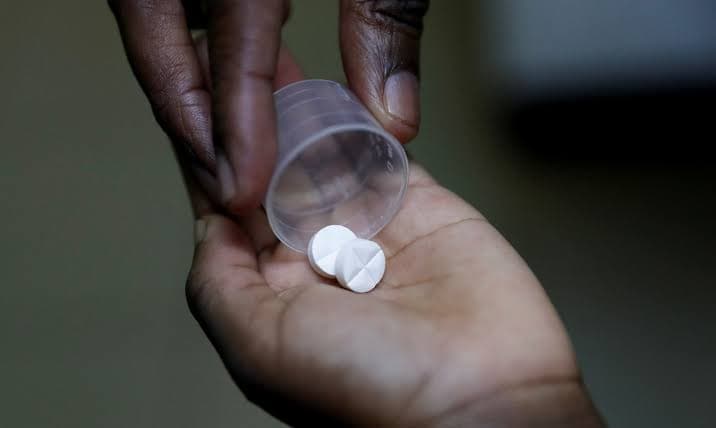
Photo:Reuters[File]
Community health workers in Western Kenya are helping children living with HIV reach a point most in the country have not reached: viral suppression, meaning antiretroviral treatment has reduced the amount of HIV in the blood to a low level measured by a viral load test.
That is according to a report published by PATH, a global health innovation organisation, on September 14, 2026.
Shadrack Anyona is one of these workers.
He is a community case worker in Nyamira County, in Western Kenya.
Case workers are trained local residents who visit the homes of children living with HIV to check they are taking their medicine correctly, teach caregivers why the medicine matters, and connect a child back to a clinic when something goes wrong.
Anyona has done this work since 2022 and currently supports 38 children.
All 38 have remained on treatment over the past four years and have achieved viral suppression, through home visits and suppression plans built around each child's specific needs, the report said.
"Developing suppression plans really helps in achieving suppression, especially in children with high viral loads," Anyona said, sharing lessons at a project review meeting, according to the report.
Nationally, Anyona's results are the exception, not the rule. Only six in every ten children living with HIV in Kenya are on antiretroviral treatment, the daily medicine that controls the virus, against nine in ten adults.
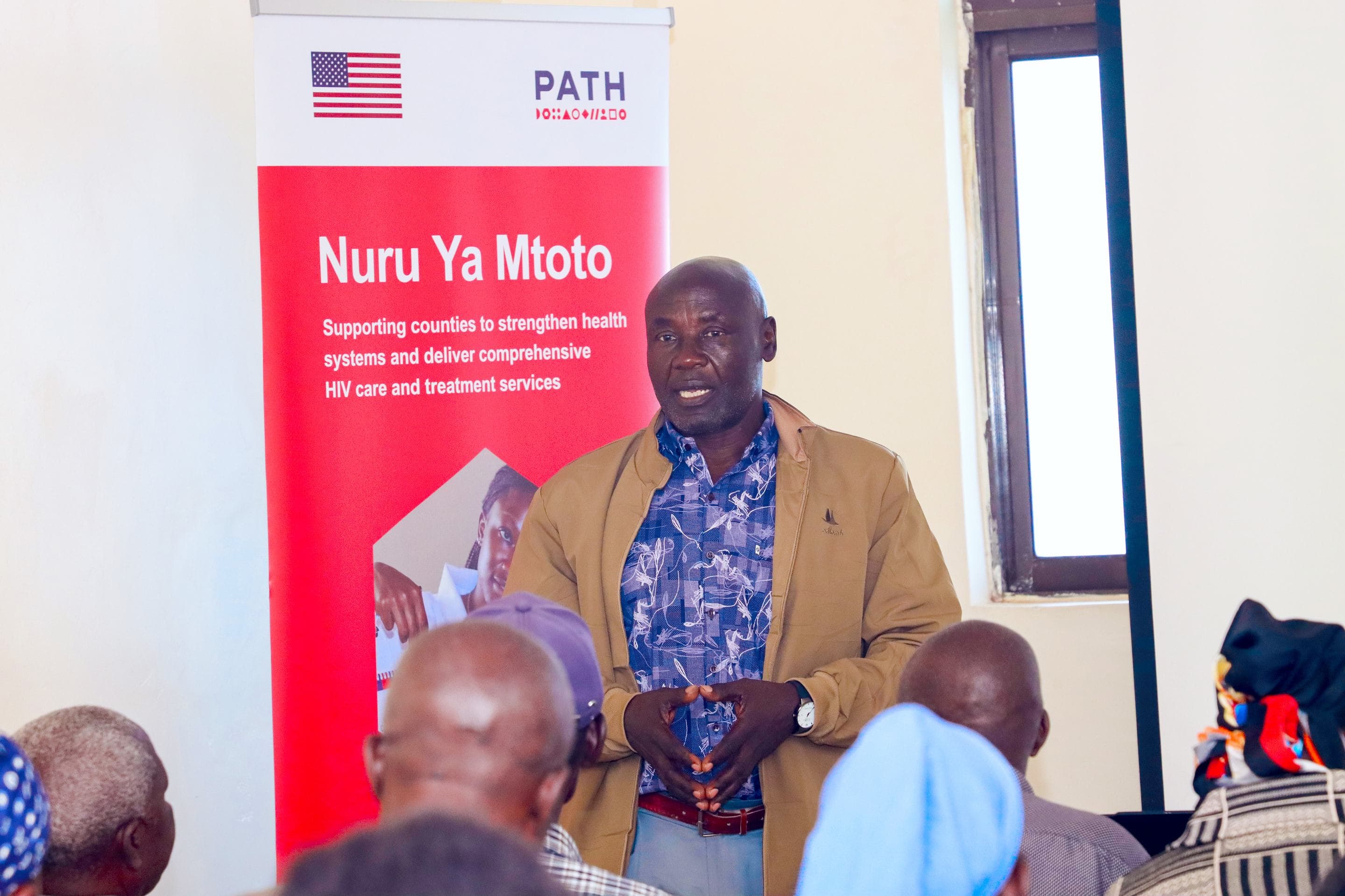
Just over half of children under 15 living with HIV have reached viral suppression, compared with almost nine in ten adults, according to the Kenya HIV Estimates 2026 report, cited in the PATH report.
Kenya, like the rest of the world, has committed to ending AIDS in children by 2030, but the country remains far below the 95-95-95 targets for HIV testing, treatment and viral suppression.
The project behind the numbers
Anyona works for Nuru Ya Mtoto ("Light of the Child" in Swahili), a project PATH Kenya has run since 2021 in four counties in Western Kenya: Kakamega, Kisumu, Nyamira and Vihiga, the report said.
It is funded by the US Department of State through PEPFAR, the US President's Emergency Plan for AIDS Relief, and works alongside the Ministry of Health across 319 health facilities in the four counties. In 2026, the project engaged 534 community case workers like Anyona.
What a home visit can catch that a clinic cannot
Sabina Nyakweba works in Nyamira South, part of Nyamira County.
She is both a case worker and a community health promoter, a local health volunteer role. She has supported 31 children living with HIV since 2022 and said home visits reveal challenges affecting treatment adherence that may not be apparent at a health facility.
Create a free account
Join Joseph Mmwa and be the first to know the world's biggest health and medical stories as they happen
"Sometimes a child misses treatment because of challenges at home, and when we identify the problem, we work with the caregiver and health facility to find a solution," Nyakweba said, according to the report.
In Vihiga County, one of the project's four counties, Alice Jahenda has worked in community health for 15 years.
By June 2026, she had helped 33 children get to clinic appointments, viral load tests and counselling sessions for those with high viral loads, sometimes walking children to the facility herself, the report said.
"When we follow up on children who have missed appointments or have a high viral load in our communities, we are able to link them with the right support and develop plans that help them get back on treatment," Jahenda said, the report noted.
Feeding what happens at home back to the hospital
The project runs monthly meetings between case workers and health facility staff, the report said. The meetings provide mentorship, updates on HIV management guidelines and feedback on service delivery.
The project also links teenagers to Operation Triple Zero clubs, peer groups built around three goals: zero missed clinic appointments, zero missed doses of medicine, and zero viral load.
By June 2026, 4,022 adolescents were taking part in 155 of these clubs, according to the report.
The numbers so far
By June 2026, Nuru Ya Mtoto had supported 6,166 children and adolescents to access HIV treatment across the four counties, the report said.
Among those whose viral load had been tested and recorded, 93 percent had reached viral suppression, above both the national child average and the 2030 target.
These figures come from PATH, the organisation running the project, and have not been independently verified by an outside body
The national figures on Kenya's treatment gap come from the Kenya HIV Estimates 2026 report, which the PATH report cites but does not publish in full.
A gap that is not only Kenya's
Kenya's gap mirrors a global one. In 2024, only 55 percent of children living with HIV worldwide were on treatment, against 77 percent of adults, according to WHO's 2025 HIV statistics.
Viral suppression among children stood at 47 percent globally that year, compared with 74 percent among adults, according to the same WHO statistics.
Based on the PATH report, the work of Anyona, Nyakweba and Jahenda in Kakamega, Kisumu, Nyamira and Vihiga comes down to one idea: put a trained person in the household, not only the hospital, and follow each child closely enough to identify treatment barriers, support adherence and link children back to HIV care when problems arise.
Sources: PATH, September 14, 2026, reporting by Isabel Naibei, Denise Akun, and Jackson Thoya; national figures from Kenya HIV Estimates 2026; global figures from WHO's 2025 HIV statistics.

Related Stories
Weight-loss Drugs Ozempic and Wegovy Officially Launched in Kenya as Obesity and Diabetes Cases Rise
Kenya Explores Safer Pathways for Nurses to Work Abroad Without Weakening Local Hospitals
Kenya to Receive Ksh 51.8 Billion From World Bank as Ebola Readiness Sits at 66 Percent
Malaria Hospitalisations in Kenya's Kilifi County Drop by Nearly 98% from 1999 Peak
Comments
Be the first to comment.