Joseph Mmwa LogoJOSEPH MMWA

If it's health, it's here

Medicine Shortages Reported Across South African Provinces as Supplier Debts and Supply Disruptions Persist

Health Minister Aaron Motsoaledi said medicines frequently affected by stock disruptions included certain antibiotics, tuberculosis medicines, oncology products, insulin and selected paediatric antiretroviral medicines

2 min readAfricaSouth Africa
images (22)

Copyright Newcastillian New

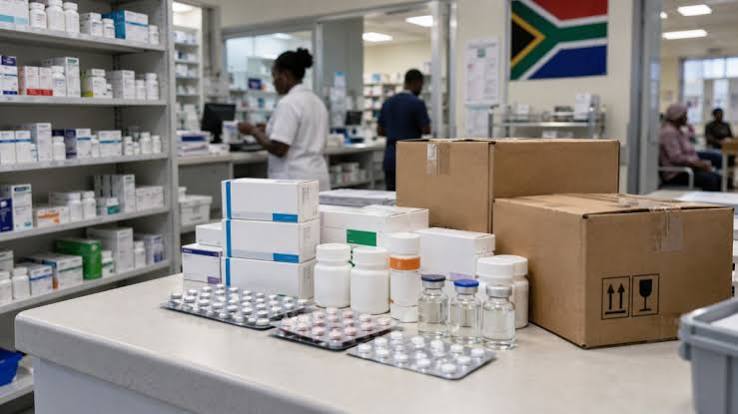
Shortages of essential medicines are disrupting supplies at public health facilities in South Africa, affecting treatments for tuberculosis, cancer and other conditions.

Gauteng, the province that includes Johannesburg and Pretoria, has acknowledged supply challenges at public hospitals and clinics.

The provincial health department cited supplier delays, changes to medicine contracts, procurement lead times and wider supply-chain pressures.

It said facilities could use other approved manufacturers or pack sizes, or clinically appropriate alternatives where available, while moving stock between facilities and seeking supplies from alternative suppliers to minimise treatment interruptions.

EWN and TimesLIVE reported the department’s statements on 7 October 2026.

The disruptions extend beyond Gauteng.

In a written parliamentary reply reported by IOL on 9 July 2026, Health Minister Aaron Motsoaledi said medicines frequently affected by stock disruptions included certain antibiotics, tuberculosis medicines, oncology products, insulin and selected paediatric antiretroviral medicines.

He identified the Eastern Cape, Mpumalanga and North West as the provinces most affected, based on information from the National Surveillance Centre.

He also said no national audit covering medicine stocks at all public hospitals and clinics had been conducted in the preceding 12 months, although routine monitoring systems continued. Source: IOL.

SUPPORT INDEPENDENT JOURNALISM

Help keep health journalism independent

I report and explain important health and medical stories independently, with accuracy, context and African relevance. Your support helps me continue this work.

TB treatment has faced pressure from shortages of rifampicin-containing medicines. Motsoaledi attributed the disruptions mainly to a global rifampicin shortage, with delayed provincial payments also contributing.

In an earlier example reported on 24 March 2025, Health-e News quoted a health worker at Motherwell Community Health Centre in Gqeberha as saying the clinic had five boxes of Rifinah remaining while seeing about 20 TB patients a day.

Rifinah combines rifampicin and isoniazid and is commonly used during the continuation phase of standard six-month pulmonary TB treatment.

The report describes conditions in March 2025 and does not establish the clinic’s current stock levels. Sources: IOL and Health-e News.

Cancer medicines have also been affected.

The minister’s reply identified supply constraints involving bleomycin, carboplatin, docetaxel and filgrastim.

Reported responses included sourcing supplies through alternative suppliers or special arrangements and using therapeutic alternatives where appropriate.

The cited parliamentary reporting did not provide a national count of patients who missed treatment because of the disruptions. Source: IOL.

Comments

Be the first to comment.

Related Stories

Newsletter

The MMWA Briefing

Stay ahead of the health news shaping Kenya, Africa and the world. Get the week's most important developments, research and public-health stories — explained clearly and delivered to your inbox.