.jpeg)
WHO Africa Launches New Guidance To Help Health Workers Spot Suspected Breast Cancer Sooner
New guidance from WHO's Regional Office for Africa gives frontline health workers a step by step way to check, refer and follow up women with suspected breast cancer, at a time when more than seven in ten cases in the region are still being caught late
The World Health Organization's Regional Office for Africa has released new guidance meant to help the nurses, midwives, doctors and clinical officers that women usually see first spot suspected breast cancer earlier and get them to the right care faster.
The manual, titled "Evaluation and Workup for Suspected Breast Cancer Using a Primary Health Care Approach," was announced by WHO's Africa office in a departmental news release on September 21,2026.
It targets the ordinary health centre, not the specialist hospital, because that is where most African women with a breast lump or other symptom first turn up.
Where The System Usually Breaks Down
Breast cancer is already the most diagnosed cancer among women worldwide.
WHO says an estimated 2.3 million women were diagnosed globally in 2022 and about 670,000 died of the disease that year.
In the WHO African Region specifically, the agency says it remains a leading cause of cancer illness and death, and in most countries here, more than 70 percent of cases are only found once the cancer has already advanced.
The guidance points to a specific reason why: delays of six months or longer between a woman first noticing a symptom and actually receiving care are common across many parts of Africa.
That gap, more than the disease itself, is what turns a treatable cancer into a fatal one.
What A Health Worker Now Has To Work With
The manual gives step by step instructions for recognising warning signs in a breast exam, deciding when a finding is suspicious enough to act on, counselling the patient, and referring her onward for imaging or a biopsy.
Help keep health journalism independent
I report and explain important health and medical stories independently, with accuracy, context and African relevance. Your support helps me continue this work.
It also introduces what WHO calls patient navigation, a personalised way of helping a woman get through the system rather than just pointing her toward it. In practice, that means someone actively helping a patient get past the things that stop her from following through: fear, stigma, the cost or distance of travel, or a referral that goes nowhere because no one follows up.
Dr Benido Impouma, Director of the Health Promotion, Disease Prevention and Control Cluster at WHO's Regional Office for Africa, said strengthening frontline health workers' ability to recognise warning signs and ensure timely referral was central to cutting these delays and improving outcomes.
A Deliberate Choice Given What Africa Doesn't Yet Have
The guidance is built around a specific trade off.
Rich countries catch most breast cancers through organised, population wide mammogram screening.
WHO says that approach is not realistic yet in most of Africa, so the manual instead prioritises catching cancer in women who already have symptoms, using tools a health centre without a mammogram machine can still put to use.
WHO is now calling on member states, health training institutions and development partners to adopt the guidance, train health workers on it, and build clear referral links to diagnostic and treatment services.
Dr Impouma said the goal was that strengthening breast cancer services at the primary health care level would reduce preventable deaths and "advance health equity and accelerate progress towards universal health coverage."
The manual does not change what any individual should do if they notice a change in their breast.
It is a tool for the health system they would eventually pass through, not advice aimed at patients directly.

Comments
Be the first to comment.
Related Stories
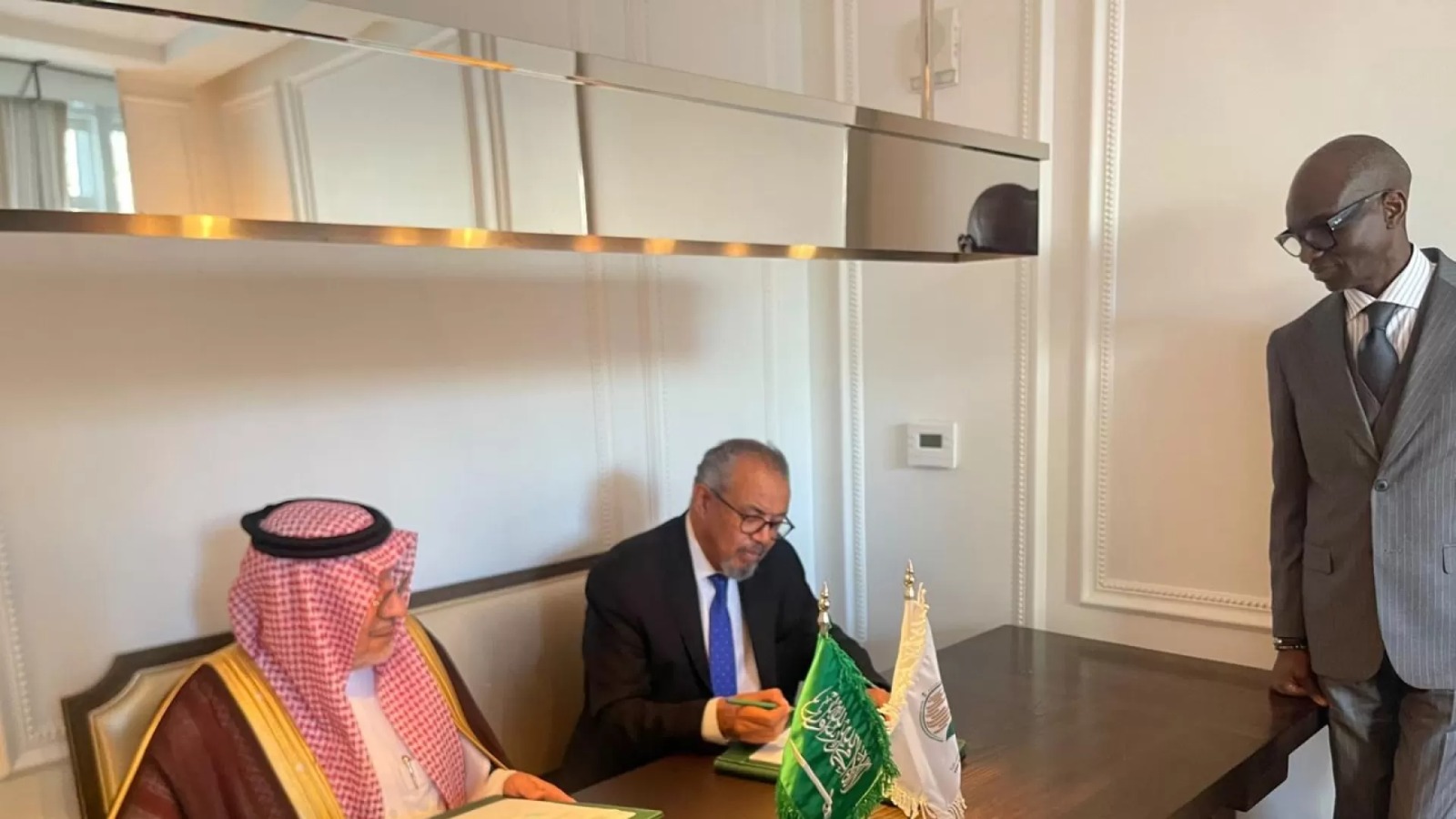
WHO Seals New Deal to Fight Cholera Across Five African Countries
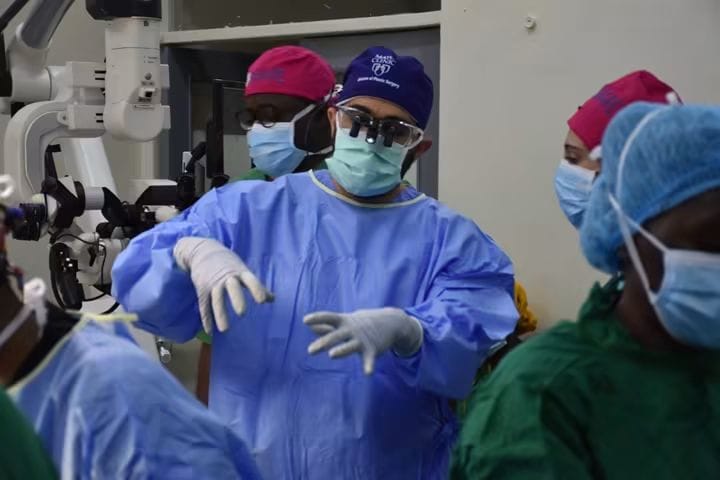
Specialists push to expand access to life-changing reconstructive surgery beyond Nairobi

SHA launches new HAKIKA system to verify healthcare providers for 2026–2029 cycle
Kenya Explores Safer Pathways For Nurses To Work Abroad Without Weakening Local Hospitals
Newsletter
The MMWA Briefing
Stay ahead of the health news shaping Kenya, Africa and the world. Get the week's most important developments, research and public-health stories — explained clearly and delivered to your inbox.