.jpeg&w=3840&q=75)
Shingles Vaccine Builds Strong Antibody Protection in People With HIV, Study Finds
Every participant, in all three groups, built strong antibody protection after the second dose and The finding could ease one of the more painful and frequent health risks people with HIV face
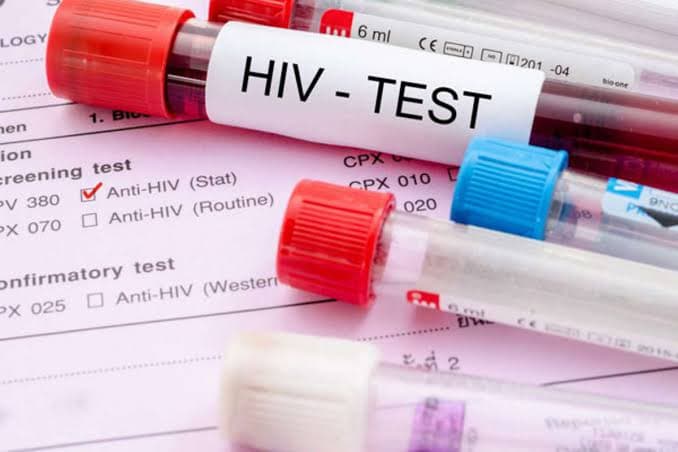
A shingles vaccine, sold as Shingrix, has produced strong antibody protection in people living with HIV, no matter how much the virus had already weakened their immune system.
The finding could ease one of the more painful and frequent health risks people with HIV face, though the same study found one part of the body's defense still lags behind that of people without the virus.
What the Trial Found
Researchers in Seoul, South Korea published the results online on September 8, 2026 in the International Journal of Infectious Diseases.
The team gave two doses of the vaccine, eight weeks apart, to 70 adults: 60 people living with HIV and 10 people without it.
Among those with HIV, the researchers split the group in two: 30 whose immune systems had been hit harder by the virus, and 30 whose immune systems were less affected.
Every participant, in all three groups, built strong antibody protection after the second dose.
The Gap That Remains
The vaccine also triggers a second kind of protection, one built by the immune system's cells rather than by antibodies.
Create a free account
Join Joseph Mmwa and be the first to know the world's biggest health and medical stories as they happen
That protection came out weaker in people with HIV than in people without it.
Only about a third of those with more weakened immune systems developed a strong response here, compared with half of those with stronger immune systems, and four in five people without HIV.
People with HIV already face a higher risk of getting shingles, and a more painful case of it, than people without the virus.
That is why the antibody result matters on its own, even though this second finding shows the protection may not yet be complete for everyone.
The trial was small and included only men, all in South Korea, so the findings cannot yet be applied to women or to people elsewhere without more research.
It also only tracked participants for one month after the second dose, so it cannot say whether the vaccine leads to fewer shingles cases years down the line.
Within that month, though, no one in any group developed shingles, and no serious reactions were reported, only mild soreness where the needle went in.
The study was paid for by Seoul National University Hospital, Seoul National University, and South Korea's National Medical Center, and the researchers said they had no competing interests.
Originally reported by Kim MK, Jo HJ, Lee CM, et al. Int J Infect Dis — doi:10.1016/j.ijid.2026.109100. View original source

Related Stories
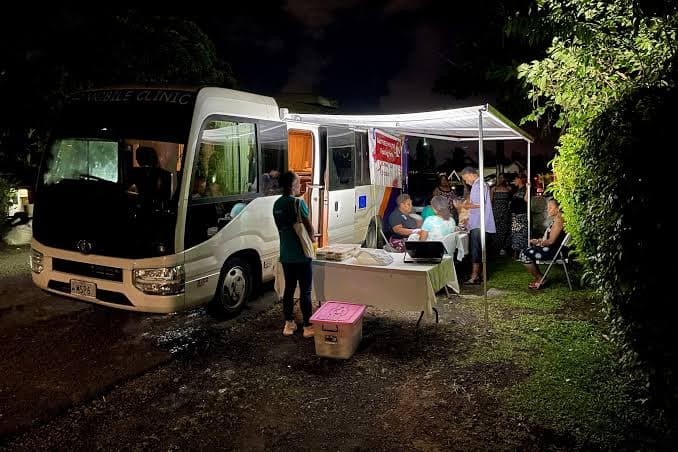
Fiji Declares HIV Outbreak a National Crisis as New Infections Hit Record High
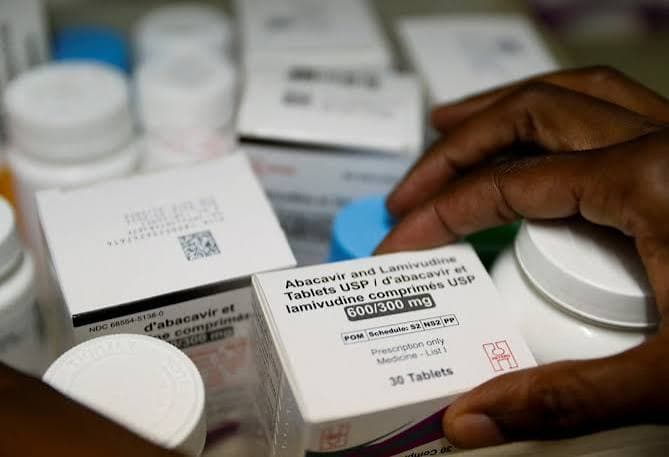
TB Preventive Treatment Linked to 61% Lower TB Risk and 45% Lower Death Risk in People With HIV
For 41 Million People Living With HIV Treatment May Soon Mean Freedom From Taking Daily Pills

Gates Foundation commits $1 billion to bring AI tools to health workers, farmers and teachers in poorest regions
Comments
Be the first to comment.