Malaysia has retained its World Health Organization (WHO) validation status for eliminating mother-to-child transmission of human immunodeficiency virus (HIV) and syphilis, its Ministry of Health said in a statement, eight years after it became the first country in the WHO Western Pacific Region to earn it.
The validation is meant to show that passing the two infections from mother to baby has become rare enough to stop being a public health problem.
Bernama, the country's national news agency, reported the statement on 19 October 2026 from Putrajaya, the administrative capital.
It added that the validation was retained following an assessment of the country's achievements from 2021 to 2024, and that Health Minister Datuk Seri Dr Dzulkefly Ahmad received the certificate at the 77th WHO Regional Committee for the Western Pacific meeting in Manila, the capital of the Philippines.
Both the minister and the city also featured in 2018, when WHO presented Dr Dzulkefly with a certificate of elimination during the Regional Committee meeting in Manila.
Elimination, but not zero
Elimination does not mean that no baby is ever infected.
WHO says treatment is not 100 per cent effective, so the word describes transmission to babies pushed so low that it no longer counts as a public health problem, and the validation covers that transmission, not the infections in the wider population.
Under the criteria WHO applied when it validated Malaysia in 2018, a country has to keep new HIV infections in children caused by mother-to-child transmission below 50 for every 100,000 live births, and new cases of syphilis passed from mother to baby below the same level.
The rate at which mothers living with HIV pass on the virus must also stay under 2 per cent where babies are not breastfed and under 5 per cent where they are, for at least a year.
Services must reach almost everyone too, and keep doing so for at least two years.
At least 95 out of every 100 pregnant women must attend a pregnancy check-up, at least 95 out of every 100 must be tested for HIV and syphilis, and at least 95 out of every 100 of those found infected must get adequate treatment.
WHO has since revised its guidance to add hepatitis B.
The ministry's numbers
The ministry reported that screening of pregnant women for the two infections stayed above 95 per cent from 2021 to 2024.
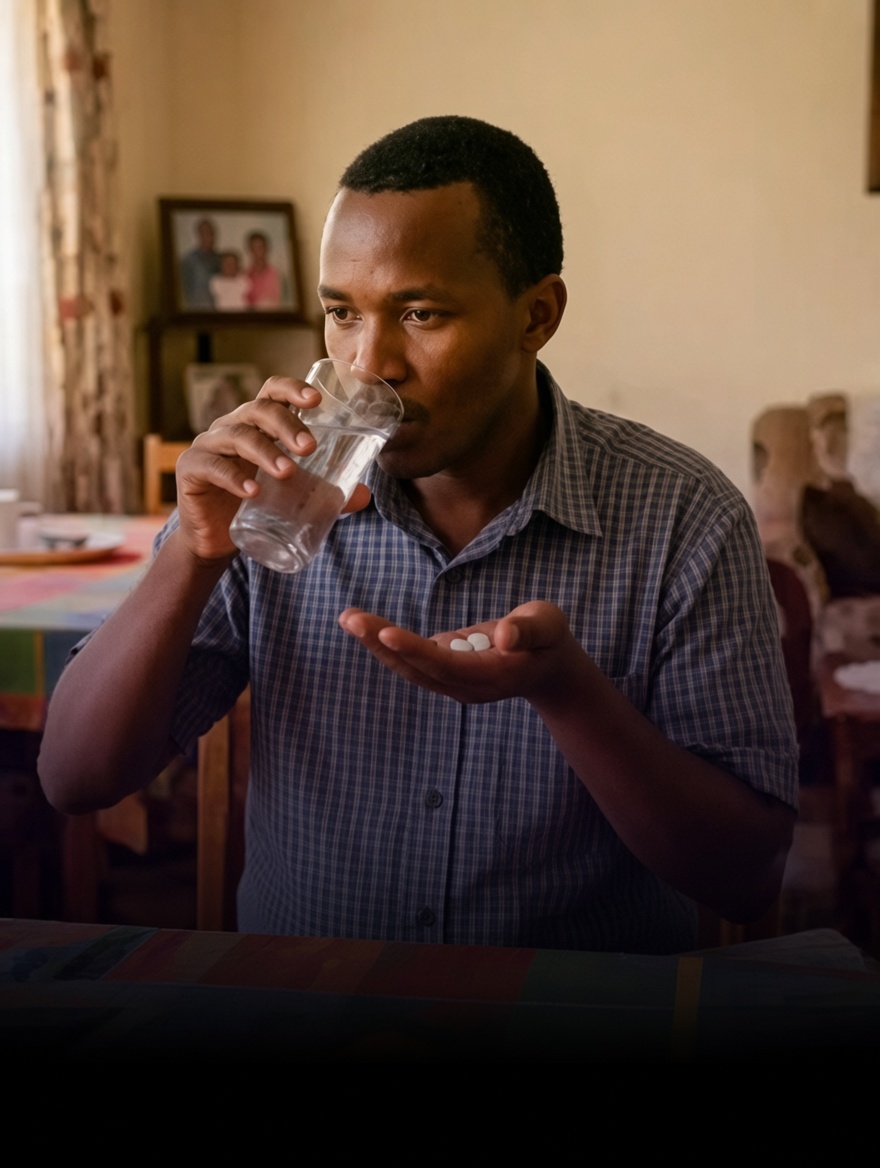
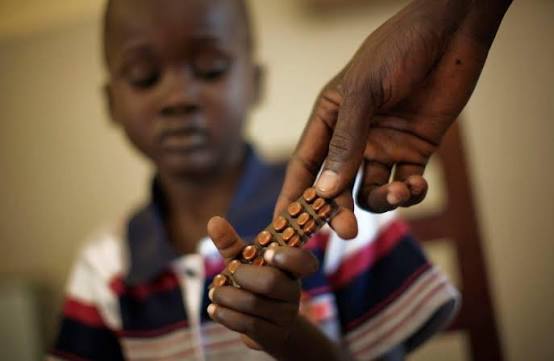
It also reported that antiretroviral treatment coverage among pregnant women living with HIV reached about 99 per cent, meaning about 99 of every 100 were on the medicines that cut the chance of the virus reaching the baby.
For 2024, Bernama reported a mother-to-child HIV transmission rate of 1.52 per cent, meeting WHO's target of below 2 per cent meaning between one and two babies in every 100 born to mothers living with HIV caught the virus.
The ministry also reported 10 cases of congenital syphilis, an infection a baby catches from its mother during pregnancy, for every 100,000 live births, against a WHO ceiling of 50, which works out to about one baby in 10,000 according to the ministry's figures.
Why one clinic visit matters so much
HIV can pass from mother to baby during pregnancy, labour, delivery or breastfeeding.
WHO estimates that 1.3 million women and girls living with HIV become pregnant worldwide each year, and says that without intervention the chance of passing the virus on ranges from 15 to 45 in every 100 babies born to them.
In its 2018 account, WHO said the risk drops to just over 1 in 100 when mother and baby both get medicine.
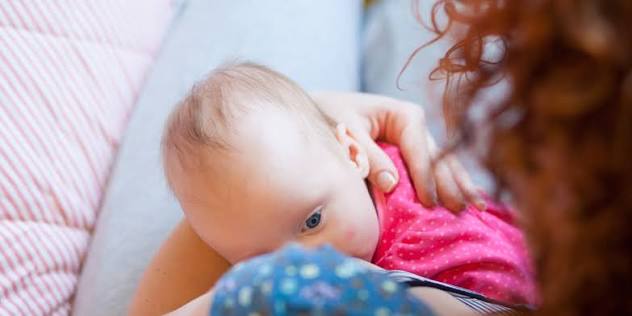
Breastfeeding is part of that picture.
WHO's guidelines of July 2016, restated in its infant feeding questions and answers of 21 November 2021, advise that in countries that choose to support breastfeeding alongside treatment, mothers who are on antiretroviral therapy and keep taking it should breastfeed exclusively for the first six months and then add other foods, and may continue to 24 months or beyond.