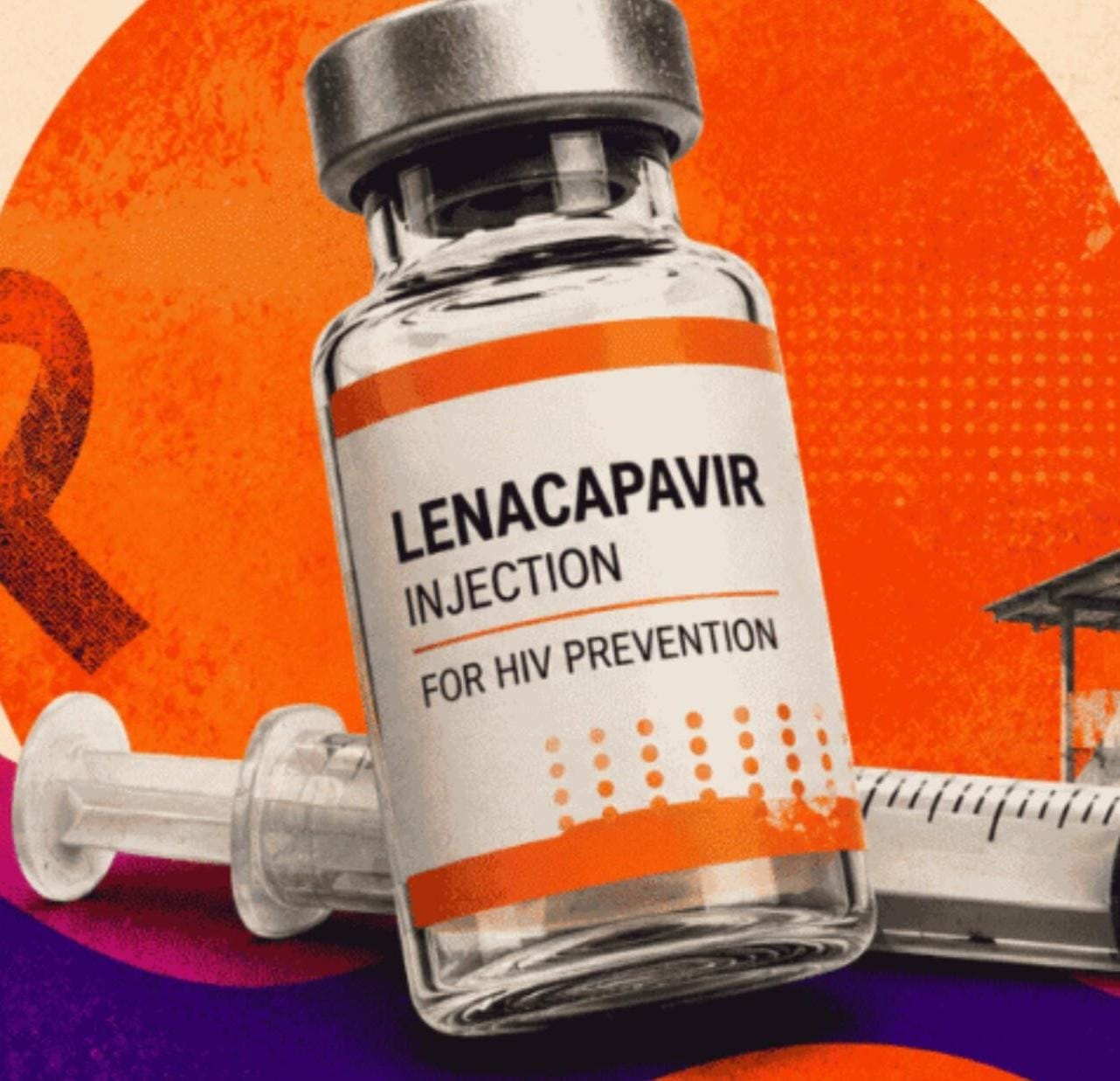
A twice-a-year HIV prevention injection called lenacapavir has moved a step closer to people in low and middle income countries, with a cheaper version winning tentative US approval just 16 months after the original.
For people who find it hard to take HIV prevention pills every day, it could offer another way to stay protected without relying on daily pills.
On Monday 2 November 2026, the United States Food and Drug Administration (FDA), the American government's medicines regulator, gave that approval to the first cheaper copy, made by Dr. Reddy's Laboratories, an Indian drug company.
It is expected to be supplied at about $40 a person a year in 120 low and middle income countries.
How the approval came so quickly
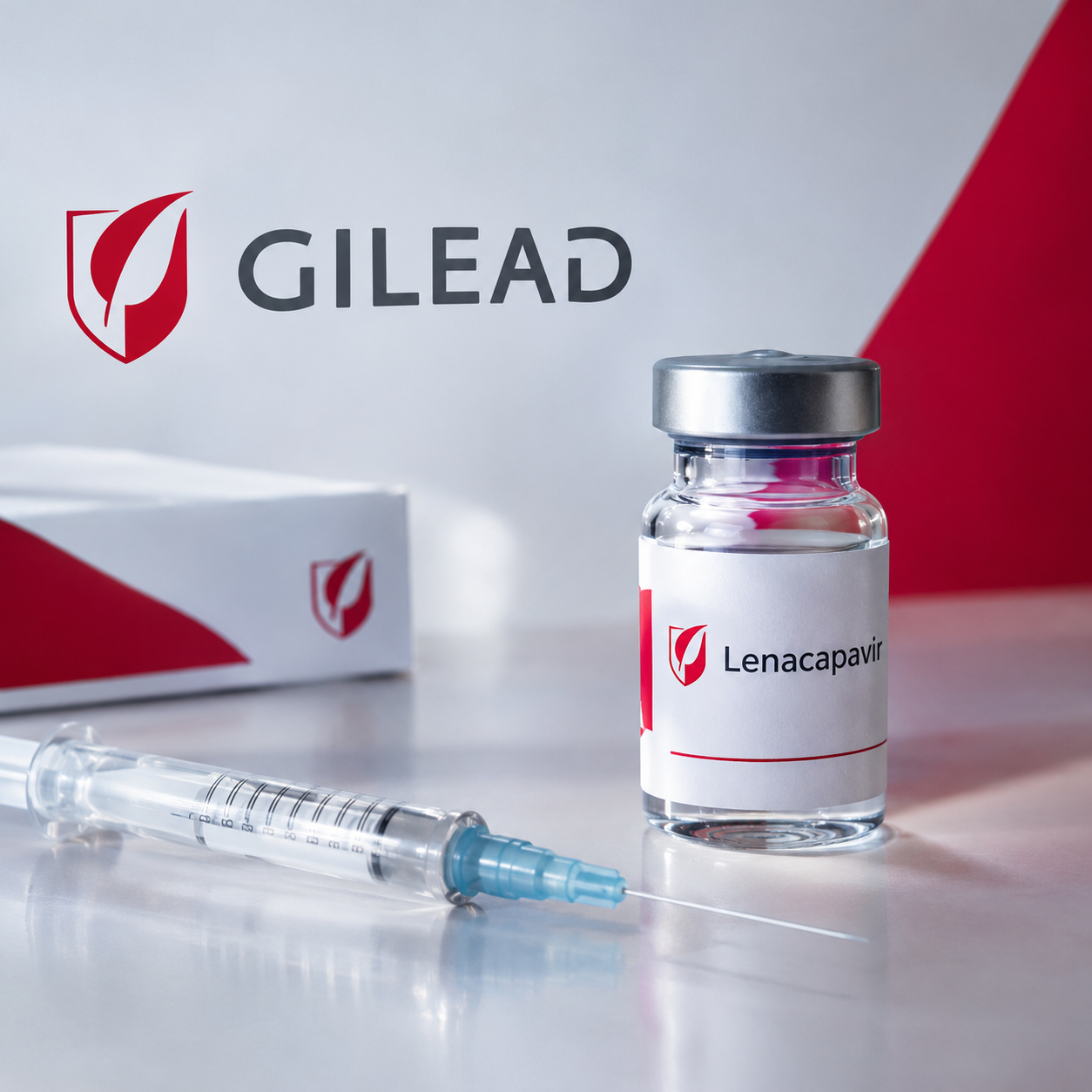
The original injection is made by Gilead Sciences, an American company.
The FDA approved it for HIV prevention in June 2025, and the cheaper copy followed just 16 months later, the Clinton Health Access Initiative (CHAI) and Unitaid said in a joint statement.
CHAI is a global health organisation that works with governments and private companies in low and middle income countries to strengthen health systems, and it helped back the project. Unitaid is a global health agency hosted by the World Health Organization (WHO).
Dr. Neil Buddy Shah, CHAI's chief executive, said it came "rather than a decade later."
Several things helped.
In late 2024, Gilead gave six other companies licences to make the medicine, and Dr. Reddy's is one of them.
In September 2025, Unitaid, CHAI and Wits RHI agreed a price with Dr. Reddy's and promised money, technical help and support with its application to the FDA.
Wits RHI is the research institute of the University of the Witwatersrand in South Africa.
A twice-yearly injection offers another choice beyond pills
Pills taken to prevent HIV, known as PrEP, are widely used.
They are usually taken every day, though some people can take them only around sex, depending on their situation.
Lenacapavir adds a longer-acting choice.
According to the FDA-approved prescribing information for the original injection, Yeztugo, revised in June 2025, a person starts with two injections and two tablets on the first day and two more tablets on the second.
After that, they get two injections every six months.
People must test negative for HIV before starting and before each injection, the same document says.
Shah said that asking someone to take a pill every day to prevent a disease they do not have is hard, and that injections twice a year change that.
Africa already has the original injection
Gilead's own injection reached African clinics well before the cheaper copy.
Eswatini, a small country in southern Africa, was the first to give it, in December 2025, and it has since been rolled out in nine African countries: Eswatini, Kenya, Lesotho, Mozambique, Nigeria, South Africa, Uganda, Zambia and Zimbabwe, aidsmap, an HIV news website, reported from the AIDS 2026 conference in Rio de Janeiro in July.
By then 191,620 doses had been delivered across the nine countries, and supply was tight, including in Eswatini, where the plan had stalled.
In September, the Joint United Nations Programme on HIV/AIDS (UNAIDS), the United Nations programme on HIV, said it was working with Zambia's government, communities and international partners to help extend access there.
CHAI and Unitaid said on 2 November that more than 125,000 people in 10 early adopter African countries have started Gilead's original injection, and called demand strong.
Gilead's chief executive, Daniel O'Day, said the company supplies it at no profit to the US government's global HIV programme and the Global Fund, an international fund that pays for HIV, TB and malaria programmes.
South Africa: the biggest epidemic, and a launch in Secunda
South Africa has the world's largest HIV epidemic, with an estimated 7.9 million people living with the virus, according to UNAIDS.
The Department of Health said 37,920 doses arrived on 7 April 2026, and President Cyril Ramaphosa launched the national programme on 5 June in Secunda, a town in Mpumalanga province.