Joseph Mmwa LogoJOSEPH MMWA

If it's health, it's here

War-Hit Sudan to Vaccinate 11 Million Children to Stop Polio From Spreading

The ongoing conflict has displaced millions of people in the country and disrupted routine childhood immunisation services

Updated on 4 min readAfricaSudan
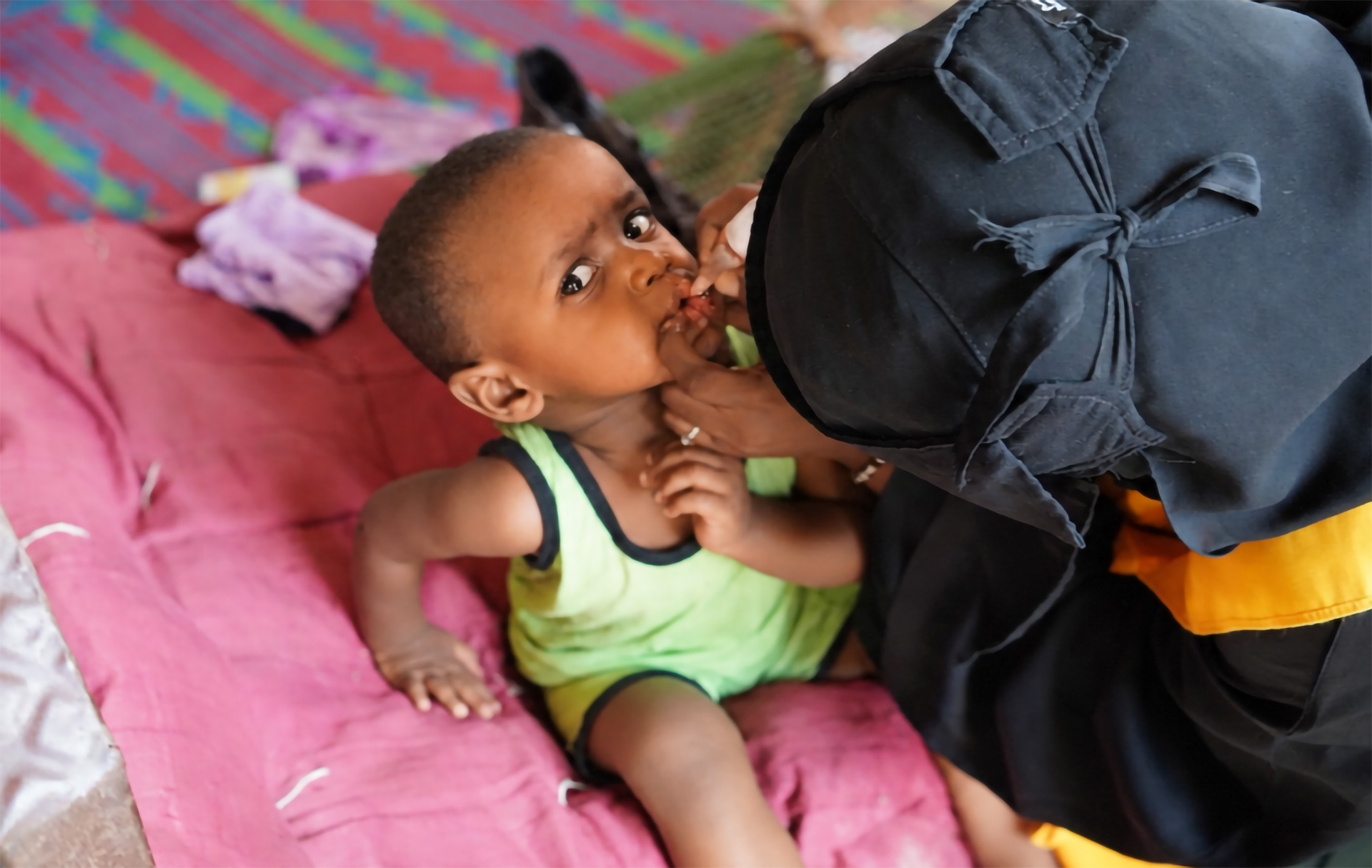
Infant boy receives nOPV at home in Port Sudan

Infant boy receives a polio vaccine at home in Port Sudan, Red Sea State, on the first day of the campaign that aims to protect 11 million children from polio, 26 October 2026. Photo credit: WHO Sudan/Loza Mesfin

Sudan is trying to vaccinate 11 million children against polio while a war that began in April 2023 is still being fought.

Health workers started giving the vaccine drops on 26 October and are meant to continue into November, in a country where fighting has emptied homes, disrupted clinics and cut off routine vaccination for many children.

Sudan's Federal Ministry of Health is running the campaign with the World Health Organization (WHO) and the United Nations Children's Fund (UNICEF), according to a UNICEF Sudan statement dated 27 October 2026 and published on 28 October.

UNICEF said the polio virus behind the outbreak began circulating in Sudan in December 2024, and this campaign is meant to stop it.

October first, November next

The campaign runs in two phases, and only the first has started.

October (first phase): It began on 26 October and was scheduled to run to 29 October.

It aimed to vaccinate 6 million children under five, in 107 localities across 12 states.

November (second phase, still ahead): It is planned for the first week of November, which begins tomorrow.

It aims to reach another 5 million children in 79 localities across the five Darfur states in the west and West Kordofan, UNICEF said.

Together the two phases cover 186 localities in all 18 of Sudan's states.

In Darfur, children up to 10 years old are included, not just those under five.

UNICEF said the age limit was raised because older children in the Darfur states are less protected against the virus.

The vaccine is given as drops in the mouth. A second nationwide round is planned about a month after the first.

A campaign run through the fighting

The health minister, Dr Heitham Mohammed Ibrahim, praised health workers in the same statement for trying to reach every household despite insecurity and difficulty getting access.

UNICEF said the goal is to protect children who have had little access to health services because of the conflict.

Families on the move

The war has pushed people out of their homes on a very large scale.

The United Nations refugee agency, the Office of the United Nations High Commissioner for Refugees (UNHCR), said in April 2026 that about 14 million people had been forced to flee since the war began, with 9 million still displaced inside Sudan and 4.4 million in other countries.

That matters for a polio campaign because children who keep moving are hard to find and hard to vaccinate twice.

UNICEF said vaccinators will be stationed at Sudan's border crossings to reach children from families on the move.

Chad, Ethiopia and South Sudan are also carrying out polio campaigns in October and November, UNICEF said, which should help reach families who cross between the four countries.

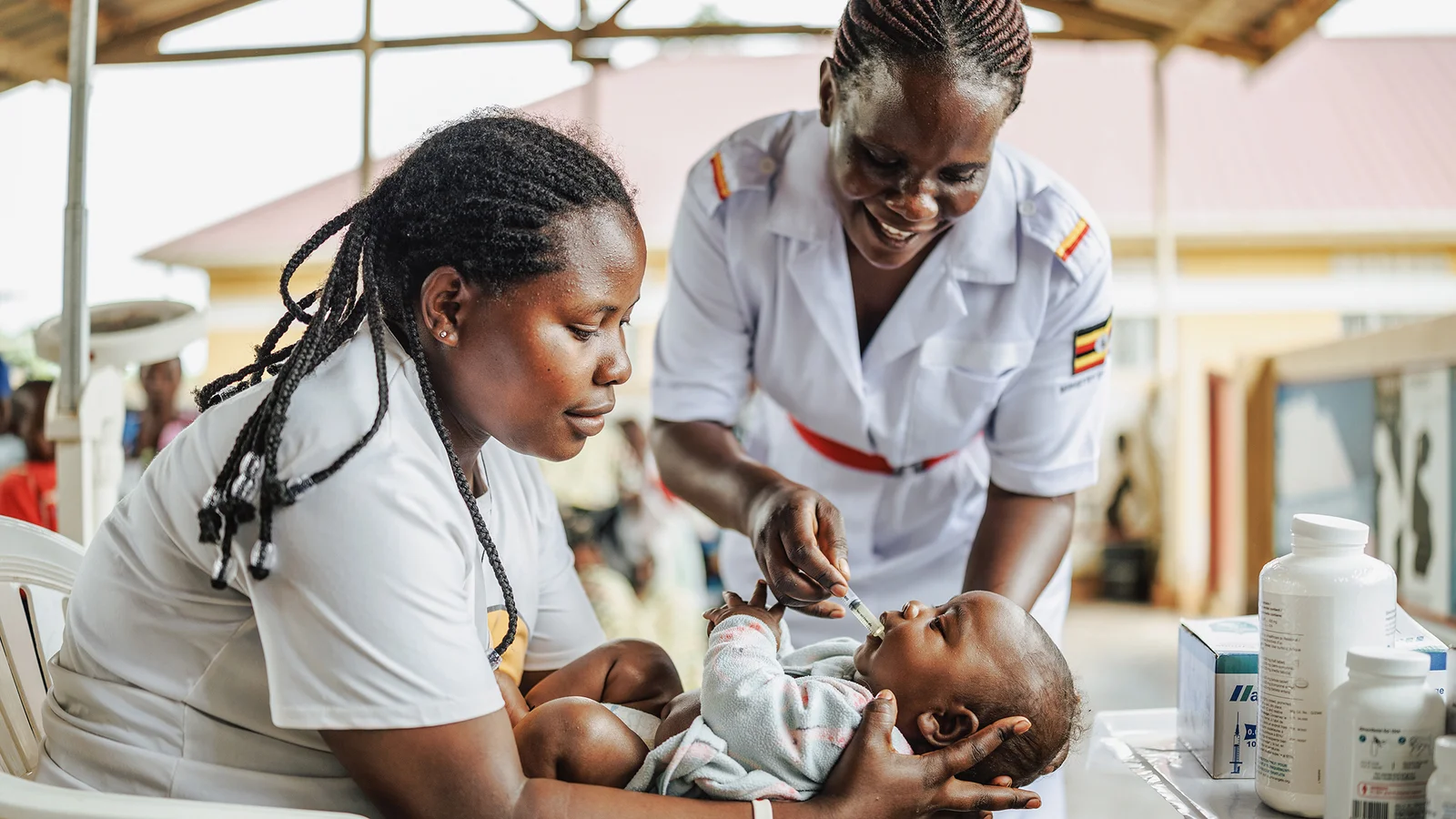
In the areas bordering South Sudan, in South Kordofan, Sennar, White Nile and Blue Nile states, children will receive two kinds of polio drops instead of one.

The second is aimed at a separate polio outbreak in South Sudan, UNICEF said.

WHO's representative in Sudan, Dr Abdinasir Abubakar, said in the same UNICEF statement that protecting children from polio was "more urgent than ever" because conflict has left many without routine vaccinations.

A virus that has not gone away

WHO said in a 16 September statement that Sudan had found the polio virus in five children and in three sewage samples this year.

UNICEF's later statement puts the number at six children and three sewage samples.

Sewage is tested because the virus leaves the body in waste, so finding it there shows it is moving through a community.

Polio mostly affects children under 15 and can leave them paralysed, WHO said.

What the war has already cost

Sudan has done this before.

WHO said in March 2024 that a nationwide campaign in March 2023 reached about 8.7 million children under five, around 98 percent of that age group.

The conflict began the next month, and WHO said no campaign had taken place since April 2023 because of the fighting.

Campaigns have since resumed.

The most recent before this one was in April 2026, a three-day campaign aimed at more than 4.3 million children under five in seven states, UNICEF said.

The current campaign is nationwide and aims at more than twice that number.

The fighting also disrupted the system that spots the virus.

WHO said in its 16 September statement that the conflict had disrupted Sudan's polio testing.

Samples from children who suddenly became paralysed used to be driven by road to a laboratory in Egypt.

WHO said the National Polio Laboratory in Port Sudan, a city on the Red Sea coast, was re-established in June 2026 with WHO equipment, supplies and training for six laboratory staff. It began testing samples in July 2026.

For the first year, those samples will also be sent to Egypt to double-check the Sudanese results.

Sewage samples will keep going to Egypt until the Port Sudan laboratory has the space and equipment to handle them.

"Sudan has ended polio outbreaks before and can do it again," Abubakar said in the WHO statement on 16 September.

Portrait of Joseph Mmwa, health journalistJoseph MmwaHealth & Medical Journalist

Share this story

Never miss health news that matters

Create a free account to follow stories shaping health in Kenya, Africa and around the world.

Comments

Be the first to comment.

Related Stories

Newsletter

The MMWA Briefing

Stay ahead of the health news shaping Kenya, Africa and the world. Get the week's most important developments, research and public-health stories — explained clearly and delivered to your inbox.