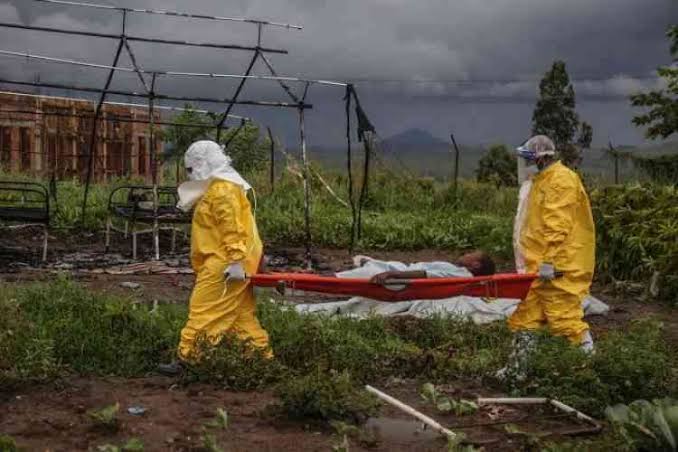
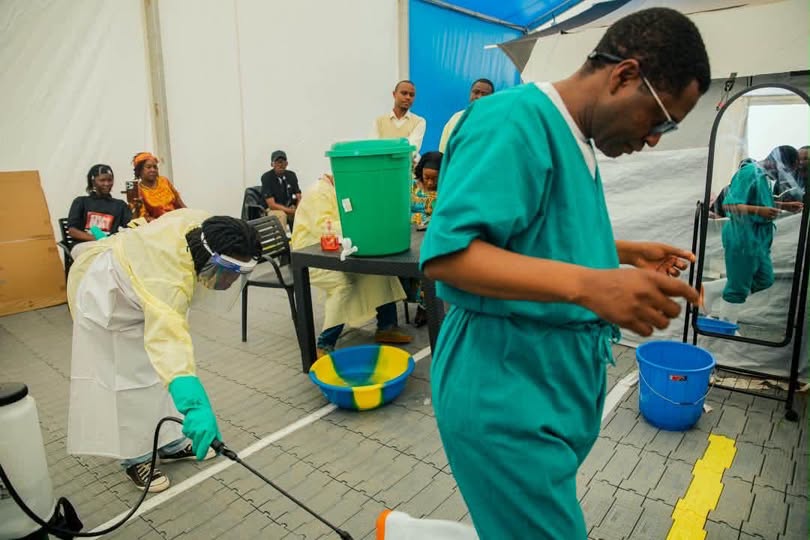
A nurse was killed and his colleague left severely injured on Saturday while answering an alert about a possible Ebola case in northeastern Congo, where the country is fighting the deadliest Ebola outbreak in its history.
The injured health worker is still in hospital.
The World Health Organization (WHO), the United Nations health agency, said the attack happened on 24 October 2026 in Bafwasende, a town in Tshopo province in the Democratic Republic of Congo (DRC).
The WHO statement did not name either health worker and did not say why they were attacked.
Where is Bafwasende and why does it matter?
Bafwasende lies in the northeast of Congo, on the border with Ituri province, which provincial officials described in August as the centre of the outbreak.
The first seven Ebola cases in Tshopo were all brought in from Ituri, through a checkpoint at Avakubi inside the Bafwasende area, and the province's first locally caught case was recorded in the same area in early August.
That means Bafwasende's health workers have been responding to the disease since at least early August.
A series of attacks, not a single one
This is not the first attack on Ebola workers in Bafwasende itself.
In August, three health workers were reported beaten and threatened with death in the village of Bumele, in the Bafwasende health zone.
A provincial lawmaker, Héritier Likaka, said young men accused them of bringing Ebola to the village.
The same thing has happened across the outbreak zone.
In May, at the start of the outbreak, angry residents set fire to tents at two health centres in two attacks within a week.
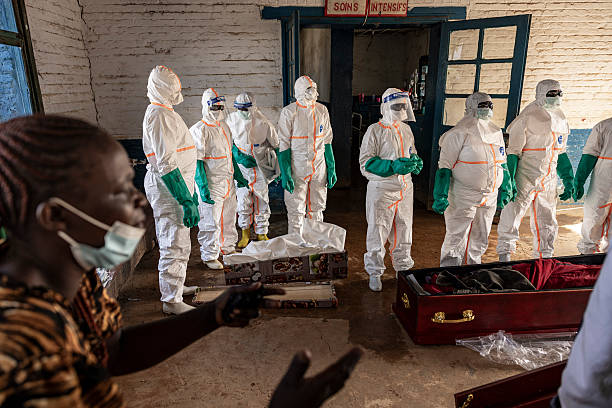
In early June, at least four Red Cross volunteers were injured when a crowd attacked a team carrying out a safe burial in Bunia, the capital of Ituri.
On 1 July, people set fire to an Ebola treatment centre in Bafwabango, in Ituri.
By 18 July, authorities had recorded at least a dozen attacks on health facilities and workers, many of them by angry crowds storming treatment centres or targeting response teams in the field.