This year's World AIDS Day, on 1 December, carries a one-word theme from the United Nations HIV agency: access.
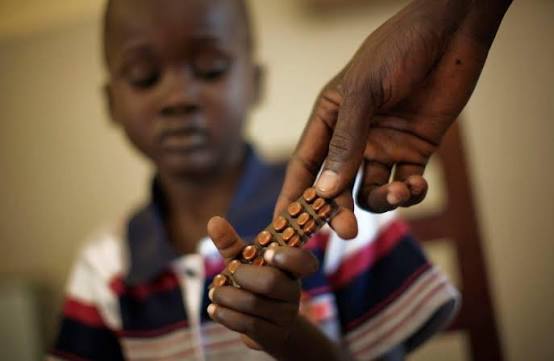
For children living with HIV, the clearest measure of it is a single figure, 55 per cent.
That is the share of children with HIV who were receiving treatment in 2025, according to UNAIDS, the agency that leads the world's response to the virus.
Among adults, the share was 79 per cent.
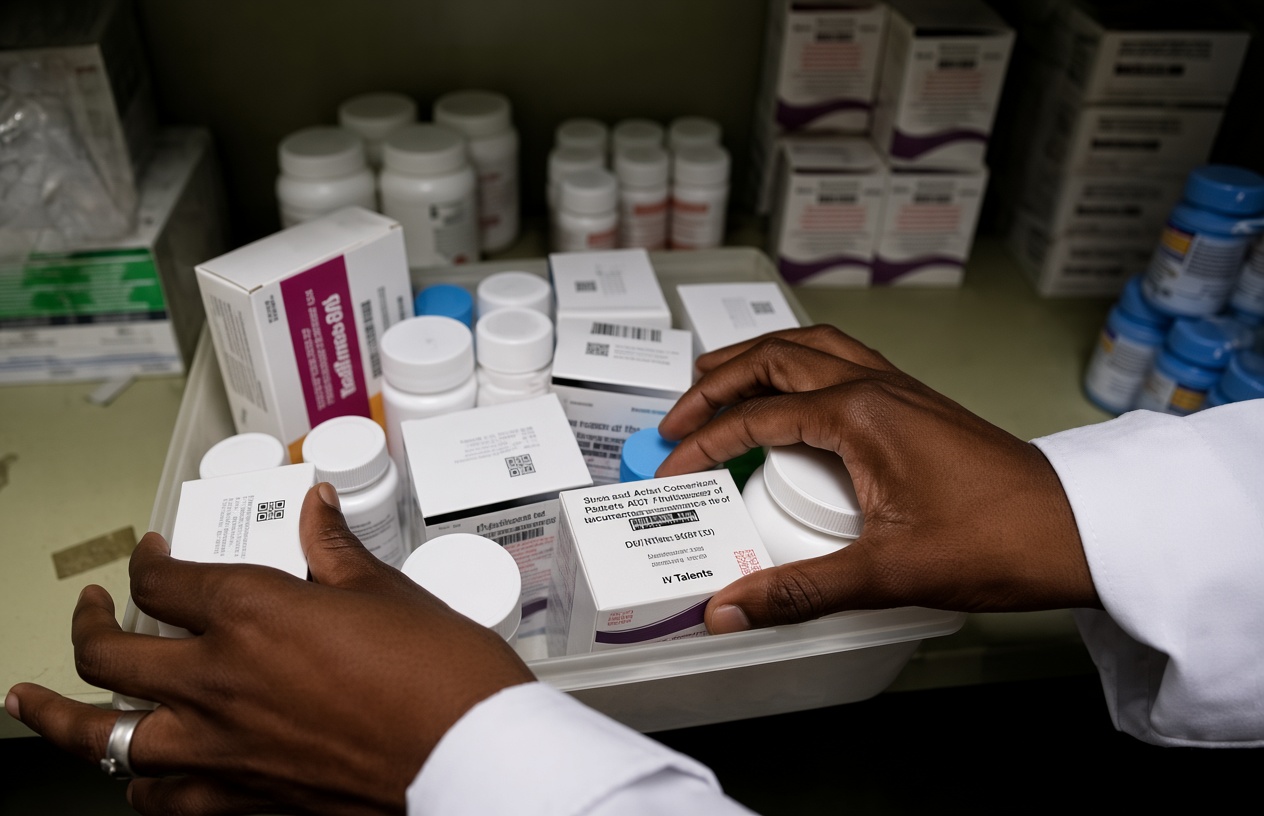
About 1.26 million children under 15 were living with HIV that year, according to UNICEF estimates, which means roughly 570,000 were without the daily medicine that holds the virus in check.
Finding the child comes first
Low testing is one important reason children are being left behind.
In 2025, 35 per cent of children living with HIV did not know their status, compared with 11 per cent of adults, according to UNICEF.
That means roughly one in three children living with the virus had not been diagnosed.
Among children who knew their HIV status, about 84 per cent were receiving treatment, according to UNICEF's treatment cascade estimates.
The figures suggest that the gap begins partly before treatment can start, when children living with HIV have not been identified and linked to care.
But diagnosis alone is not enough: UNICEF says substantial numbers of children who know their status are still not receiving treatment or have not achieved viral suppression.
UNICEF says countries have made some progress in expanding testing for babies exposed to HIV, but testing rates remain low.
The World Health Organization recommends testing HIV-exposed infants at 4 to 6 weeks and again at 9 months using virological tests, with further testing after breastfeeding ends.
Babies who test positive should start treatment immediately.
Timing matters most for the youngest children.
A South African clinical trial known as the Children with HIV Early Antiretroviral Therapy (CHER) study found that starting treatment in the first 12 weeks of life reduced infant mortality by 76 per cent compared with delaying treatment.
For children who receive treatment, the results can be strong.
UNICEF estimates that 85 per cent of children on treatment had achieved viral suppression in 2025, meaning the amount of HIV in their blood had been reduced to a very low level.
But because many children remain undiagnosed or untreated, only 47 per cent of all children living with HIV had achieved viral suppression, compared with 75 per cent of adults.
A gap that has barely budged
The cost of missed diagnoses and gaps in treatment is heavy.
Children under 15 account for about 3 per cent of all people living with HIV, yet they account for 11 per cent of AIDS-related deaths, according to UNICEF.
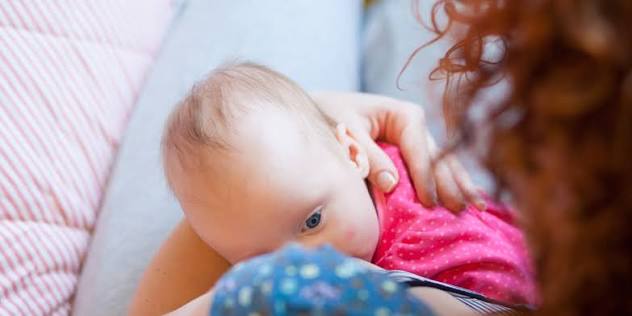
In 2025, an estimated 93,000 children acquired HIV, mainly through transmission from their mothers during pregnancy, delivery or breastfeeding.
Another 61,000 children under 15 died of AIDS-related causes.
UNICEF says the vast majority of these deaths were preventable through treatment for opportunistic infections and antiretroviral therapy.
The shortfall is not new.
UNICEF estimates that about 690,000 children under 15 were receiving treatment in 2025, up from about 440,000 in 2010.
However, the number of children receiving treatment fell by 175,000 between 2020 and 2025.
Treatment coverage has barely improved over the longer term.
In 2020, 54 per cent of children living with HIV were receiving treatment, compared with 74 per cent of adults.
By 2025, the figures had reached 55 per cent for children and 79 per cent for adults.