.jpeg&w=3840&q=75)
Nairobi Prepares to Host World Health Expo as Africa Looks to Cut Reliance on Imported Medicines

View of the Kenyatta International Conference Center in Nairobi[File]
Nairobi is preparing to host the World Health Expo, or WHX Nairobi, at the Kenyatta International Convention Centre from 16 to 18 September, as African governments push to shrink the continent's dependence on imported medicines and vaccines.
Organisers expect more than 5,500 visitors and over 200 medical technology companies from more than 30 countries to attend.
Now in its 10th edition, the event was formerly known as Medic East Africa and has grown into the region's largest gathering of governments, healthcare providers, procurement leaders and medical technology firms.
The programme is built around investment, partnerships, technology transfer and the development of Africa's own health manufacturing capacity.
The expo lands at a moment when Africa's reliance on foreign medical supplies has become harder to ignore.
According to the World Bank Group, over 70 percent of the medicines used across Africa are imported, along with about 99 percent of the vaccines.
Create a free account
Join Joseph Mmwa and be the first to know the world's biggest health and medical stories as they happen
That leaves health systems on the continent exposed whenever global supply chains are disrupted, as happened during the COVID-19 pandemic when wealthier countries secured vaccine stocks first.
Building on a Manufacturing Pledge Made in May
WHX Nairobi follows the Africa Initiative for Medical Access and Manufacturing, known as AIM2030, which African leaders launched in Nairobi in May.
The initiative brings together the World Bank Group, the African Union Commission and the International Finance Corporation with the goal of doubling Africa's pharmaceutical manufacturing capacity by 2030, focusing initial efforts on countries including Kenya, Nigeria, Egypt, Ghana and South Africa.
Together, the two events point to a continent trying to convert years of import dependence into a concrete, dated industrial target, even though closing a gap this wide will take more than a single expo or initiative to achieve.

Related Stories
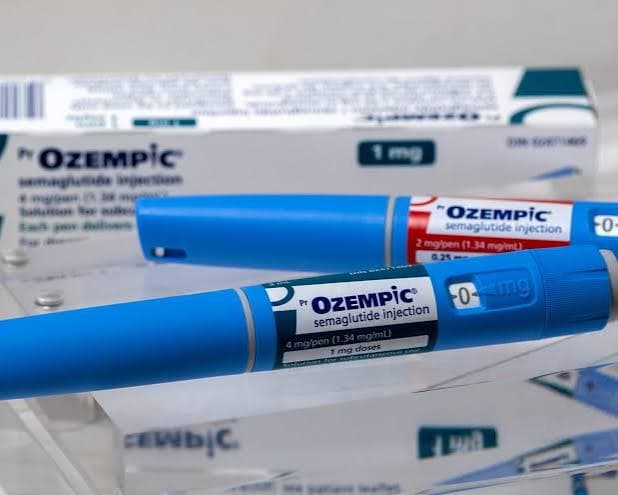
Weight-loss Drugs Ozempic and Wegovy Officially Launched in Kenya as Obesity and Diabetes Cases Rise
Community Health Workers in Western Kenya Help Children Living With HIV Achieve Viral Suppression
Kenya Explores Safer Pathways for Nurses to Work Abroad Without Weakening Local Hospitals
Kenya to Receive Ksh 51.8 Billion From World Bank as Ebola Readiness Sits at 66 Percent
Comments
Be the first to comment.