Joseph Mmwa LogoJOSEPH MMWA

If it's health, it's here

WHO Publishes Its First Guidance on the Evidence New TB Tests Need

New guidance from the World Health Organization sets out what evidence researchers and test makers should gather on new tuberculosis tests, including whether they work, whether clinics can use them and what they cost, so that WHO can make strong recommendations on them

Updated on 3 min read
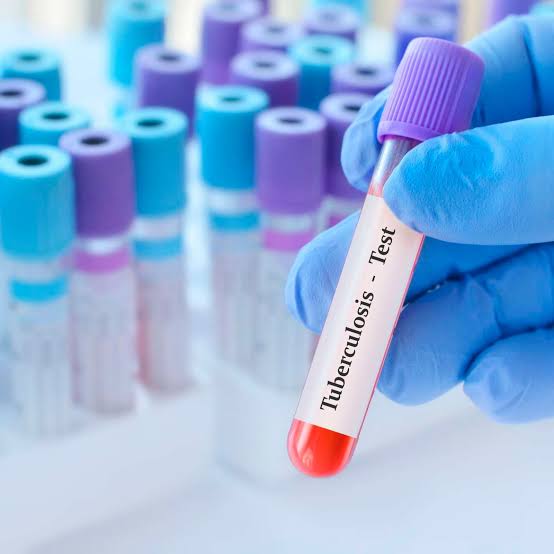
tb test

A new tuberculosis (TB) test is only as good as the evidence behind it.

The World Health Organization (WHO) announced on 21 October 2026 its first guidance on what evidence researchers, test makers and funders should gather on new TB tests, so that WHO can make strong recommendations on them.

The guidance is advice for the people who study and build tests. It does not announce a new test, and nothing in it changes how clinics test for TB.

The stakes are large. WHO's Global Tuberculosis Report 2025 estimated that 10.7 million people fell ill with TB in 2024 and 1.23 million died.

About 8.3 million of those who fell ill were diagnosed and reported, around 78 percent, which means more than one in five people with TB was missed or never counted.

Better tests are one way to find them, but a test only helps if its results can be trusted.

What did WHO announce about TB tests?

WHO published a document called Guidance on evidence generation on new tuberculosis diagnostics.

It is the third in a series, following similar guidance on new TB treatments and on treatment given to prevent TB disease.

This one covers new tests, new kinds of samples taken from patients, and new ways of using tests together.

Tereza Kasaeva, Director of WHO's Department for HIV, Tuberculosis, Hepatitis and Sexually Transmitted Infections, said in the announcement that "Robust evidence is the foundation of strong WHO recommendations."

She described the guidance as a clear road map meant to help better tests reach more of the people who need them, and to do so faster.

WHO opened a draft of the guidance for public comment in November 2025, with comments invited until 5 December 2025.

Why do new TB tests need better evidence?

WHO said the evidence behind new TB tests has often been insufficient or incomplete. Many studies had methodological limitations, left out groups who could benefit most, or looked only at whether a test gave the right result.

Few said much about whether clinics could run the test, whether patients would accept it, whether it was fair to different groups, or what it cost.

Results were also reported incompletely or in different ways, which made studies hard to compare.

Those gaps matter in everyday life.

A test may give the right answer in a research laboratory and still be of little use in a small rural clinic if it costs too much or needs equipment the clinic does not have.

The problem is not new. In 2019, an earlier guidance series in the Journal of Infectious Diseases, written to inform WHO's evidence reviews, said accuracy studies of TB tests often had weaknesses in design, carrying out and reporting that could delay or block decisions on using them.

Does this mean a new TB test is coming?

No. The guidance does not approve or recommend any test.

What it does is spell out how studies should be planned: who to include, how many people, and how to report results, along with how to gather evidence on cost, fairness, patient views and whether a test can work in ordinary health services.

It also introduces a new map of where a test fits in a patient's journey through care, which researchers can then use to decide what their study has to cover.

The guidance sits alongside an earlier WHO document that describes the qualities WHO wants in new TB tests, including tests that detect drug resistance.

What this could mean for people with TB

WHO said better evidence will help it make stronger recommendations, support faster adoption of new tests and speed their uptake in countries.

The announcement gives no timeline and no measure of how much faster things could move. Whether the guidance works will depend on researchers, test makers and funders following it.

For now, the guidance is a map for researchers rather than a new tool for clinics, and whether it speeds up access will only become clear once new tests begin to be studied this way.

the notes items above are open.

View sources
Portrait of Joseph Mmwa, health journalistJoseph MmwaHealth & Medical Journalist

Share this story

Never miss health news that matters

Create a free account to follow stories shaping health in Kenya, Africa and around the world.

Comments

Be the first to comment.

Related Stories

Newsletter

The MMWA Briefing

Stay ahead of the health news shaping Kenya, Africa and the world. Get the week's most important developments, research and public-health stories — explained clearly and delivered to your inbox.