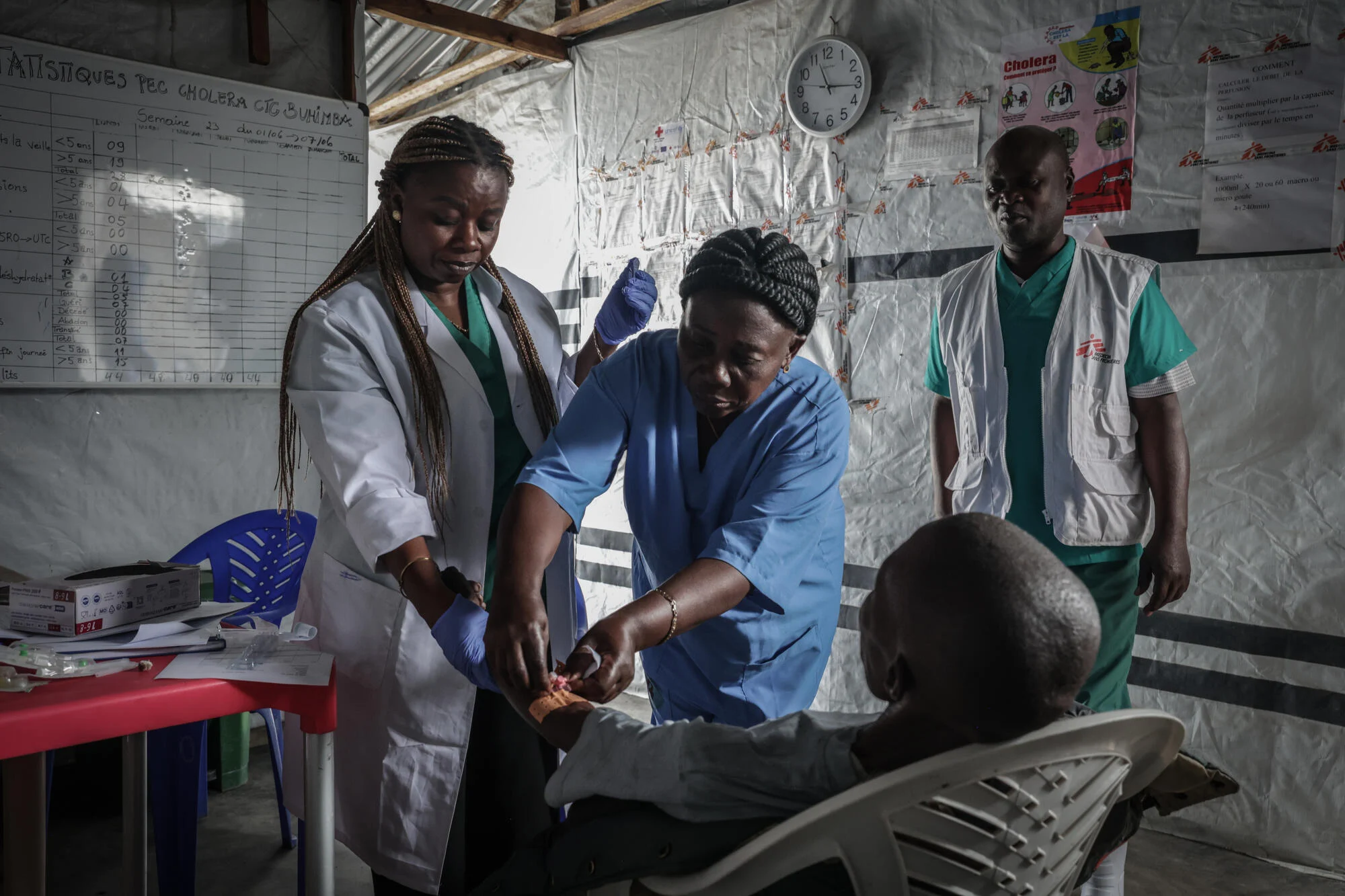
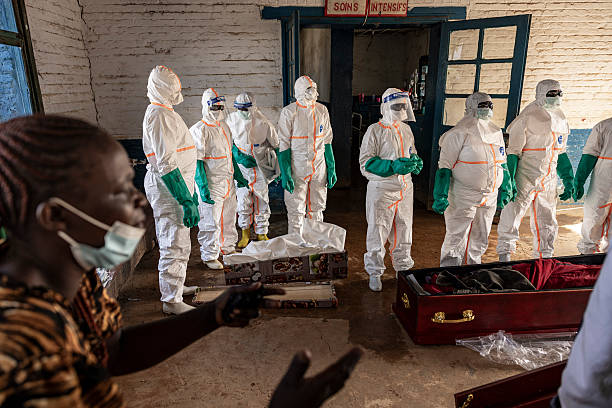
More than 9,500 people in the Democratic Republic of the Congo have tested positive for Ebola since the outbreak was first detected in May, and more than 4,600 of them have died.
The European Centre for Disease Prevention and Control (ECDC), the European Union's health protection agency, reported 9,552 confirmed cases and 4,602 deaths as of 19 October, using data up to 18 October.
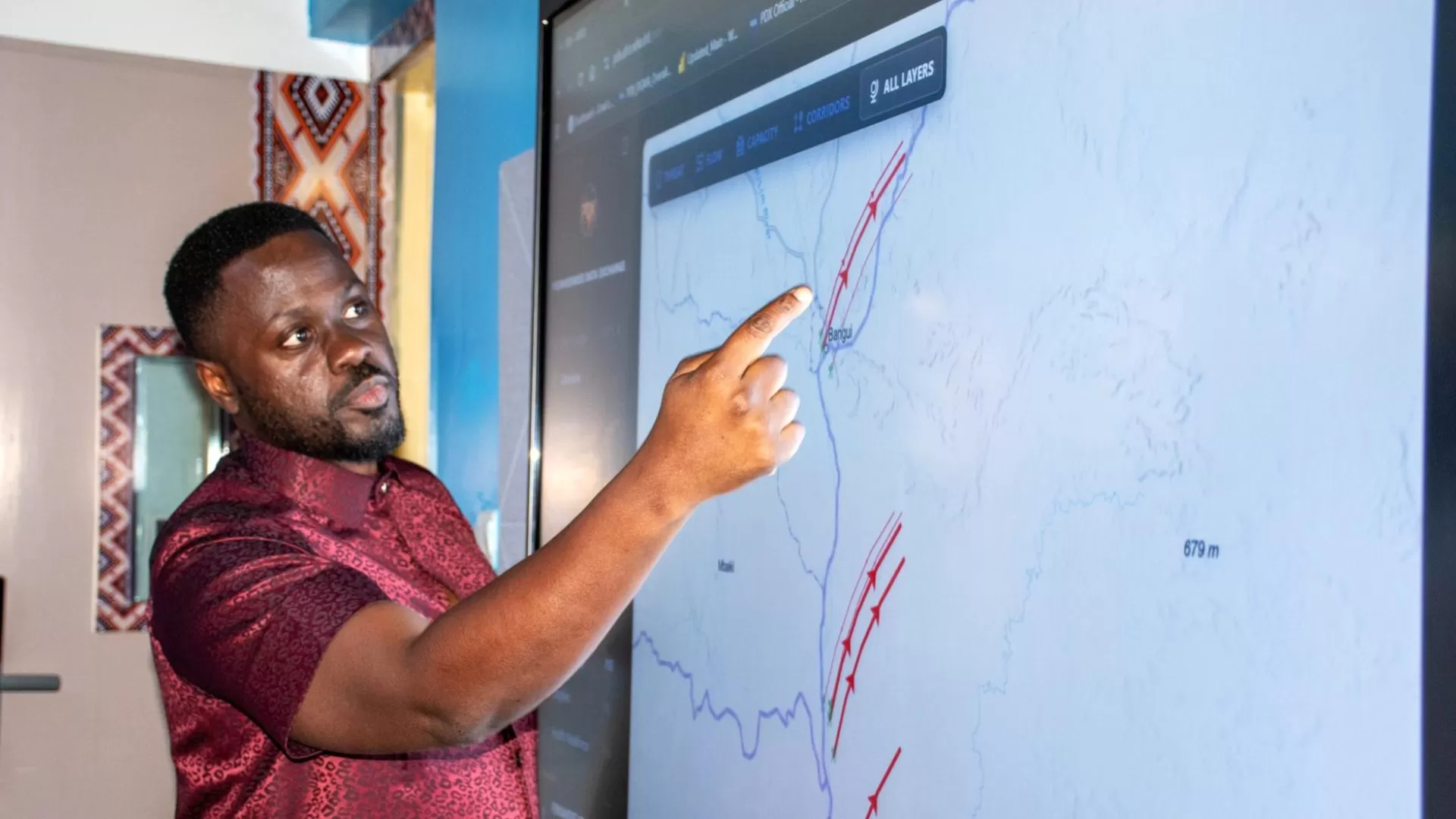
On 19 October, the World Health Organization's Regional Office for Africa announced it had switched on an artificial intelligence tool in the country.
It is meant to help health workers see the next danger before it arrives.
The tool is called the Preparedness Data Exchange, or PDX.
The WHO Regional Office for Africa said in its release, issued from Nairobi, that PDX uses artificial intelligence to bring together health and risk information.
The aim is to help countries spot threats early and prepare for them.
That work is often called epidemic intelligence: collecting reports of illness and danger from many places so an outbreak is noticed while it is still small.
The Democratic Republic of the Congo is the first country in the world to get PDX.
The release said the platform links the country to a regional system serving all 47 member states of the WHO African region, and that more countries will follow.
The same release said a second tool went in alongside it.
A company called Dure Technologies, working with WHO, installed a digital system named Voyage Santé at border points.
It screens travellers and flags possible health threats.
The release named N'djili International Airport, the main airport serving Kinshasa, the capital, and a border post it called Nord Bangui.
Dr Dick Chamla, who leads the WHO Regional Emergency Hub in Nairobi, said in the release that "countries cannot respond to what they cannot see."
He said linking national and regional information was critical to "turning early warning into early action."
An alert is only useful if someone acts on it, and WHO's own outbreak reporting shows where acting is hardest.
In its Disease Outbreak News of 8 October, WHO said 372 deaths had been reported since its previous update on 25 September.
Of those, 264 happened in communities and 108 in treatment centres.
WHO said the high death rate, together with so many deaths outside treatment centres, points to delays in identifying illness and reaching care.
In plain terms, most of the people who died in that period died at home or in their community, not in a clinic.
A tool can only bring together what reaches it, and a person who dies in a village before anyone tests them may never become a signal at all.
The release does not say whether PDX is built to pick up that kind of information.
Another gap is in the follow-up of contacts, the people who were near someone sick and are watched for 21 days in case they fall ill.
WHO's 8 October report said the response targets reaching 85% of contacts.
Coverage was 87.6% on 16 September, above the target, but fell to 74.7% by 25 September and stood at 80.4% in the latest period.
As of 4 October, 23,741 of 29,535 contacts had been reached. That leaves about 5,800 people who were not.
Ituri, the eastern province at the centre of the outbreak, has recorded 6,480 confirmed cases and 2,989 deaths, WHO reported.
Nearly the whole outbreak sits in the east. Cases have been confirmed in 64 health zones across seven of the country's 26 provinces.
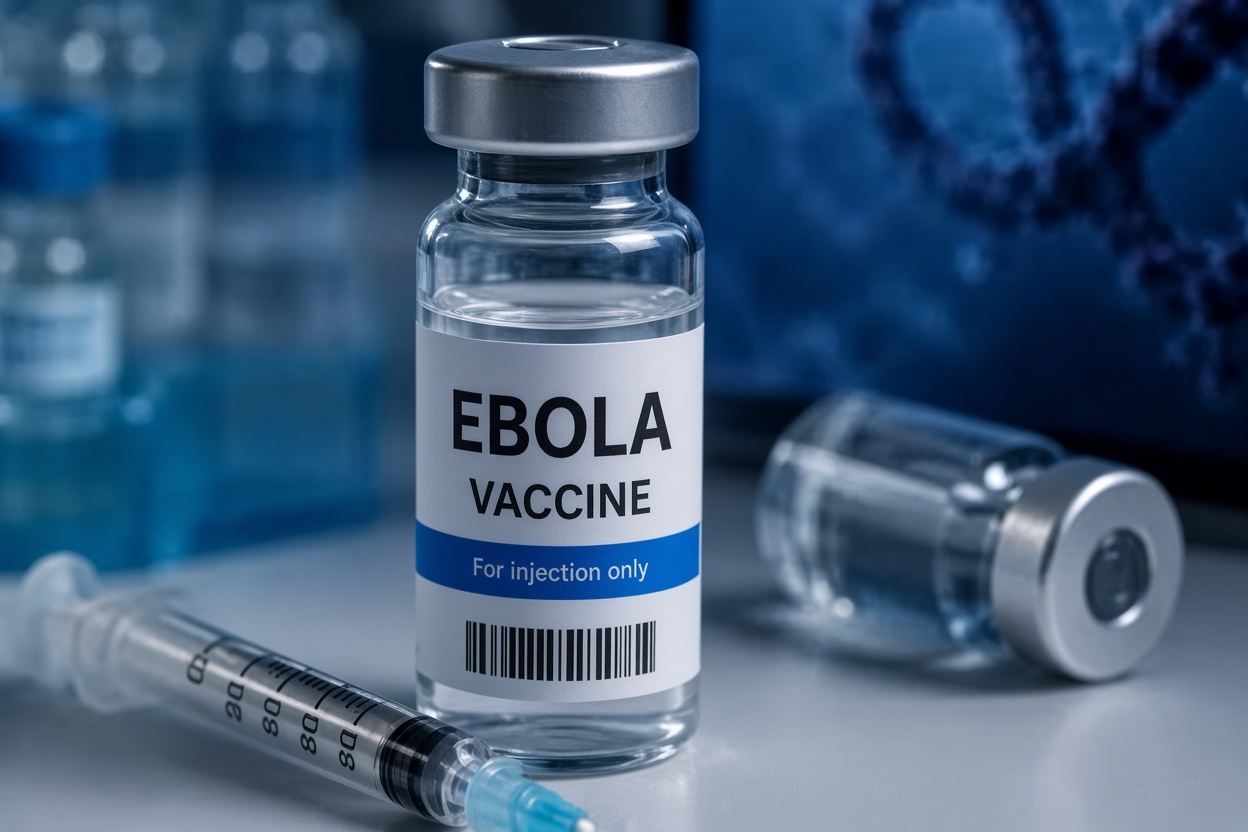
WHO said in the same report that no approved vaccine or specific treatment currently exists for the Bundibugyo virus, the type of Ebola behind this outbreak.
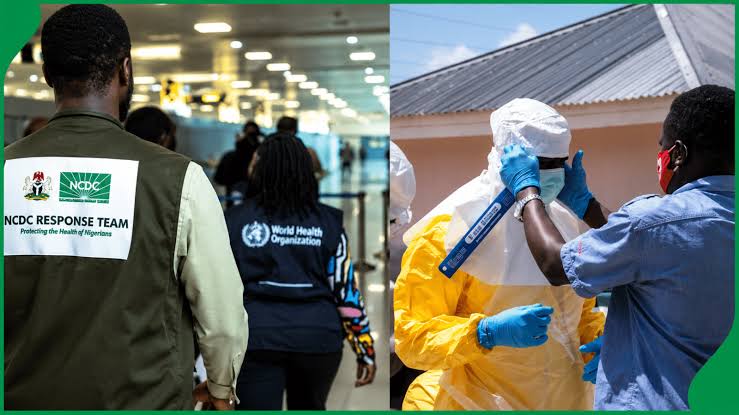
Control depends on finding cases quickly, isolating patients, tracing contacts, burying the dead safely and keeping communities on side.
WHO also explained why finding cases is hard.
A person can carry the virus for between two and 21 days before falling ill, and is not infectious until symptoms begin.
Early symptoms such as fever, tiredness, muscle pain, headache and sore throat look like many other illnesses, and telling it apart from malaria needs a laboratory test.\
A fever that is never tested can pass for something else, so the early signal is easy to lose.
Kenya's first case shows how a single sick traveller can cross borders.
WHO said, citing Kenya's Ministry of Health, that the patient was an adult who had been living in the Democratic Republic of the Congo and travelled by road to Kampala, Uganda, before flying into Nairobi on 3 October.
The patient was taken straight to Nairobi Hospital and isolated. A sample taken on 5 October tested positive in two laboratories the same day.
The patient died.
WHO said it was unclear whether the patient showed symptoms during the journey.
It also noted that the patient had been ill for about a month and treated in several hospitals in the Democratic Republic of the Congo, so WHO presumed the infection was picked up while seeking care for another illness.
ECDC reported that Kenya had eight confirmed cases, including that one death, as of 20 October.
On 17 October, four more cases were confirmed: a close relative of the first patient and three health workers.
All had been in contact with that patient and were already in quarantine.
They were found while being watched, which is the follow-up system working as intended.
WHO assessed the risk in the Democratic Republic of the Congo as very high on 14 August, for countries sharing a land border with it as high, and for the rest of the African region and the world as low.
In its 8 October report, WHO said a detailed risk assessment for Kenya was still under way.